AI gaps cost gyms revenue, Keepme data shows missed leads
Keepme found more than half of North American gym leads went unanswered. In Barcelona, that is a revenue leak, not a software question.

Missed calls, unanswered emails and slow social replies are not just bad service in Barcelona gyms. They are a direct hit to revenue, and Keepme’s lead-response data shows how fast the money leaks away when clubs rely on manual follow-up.
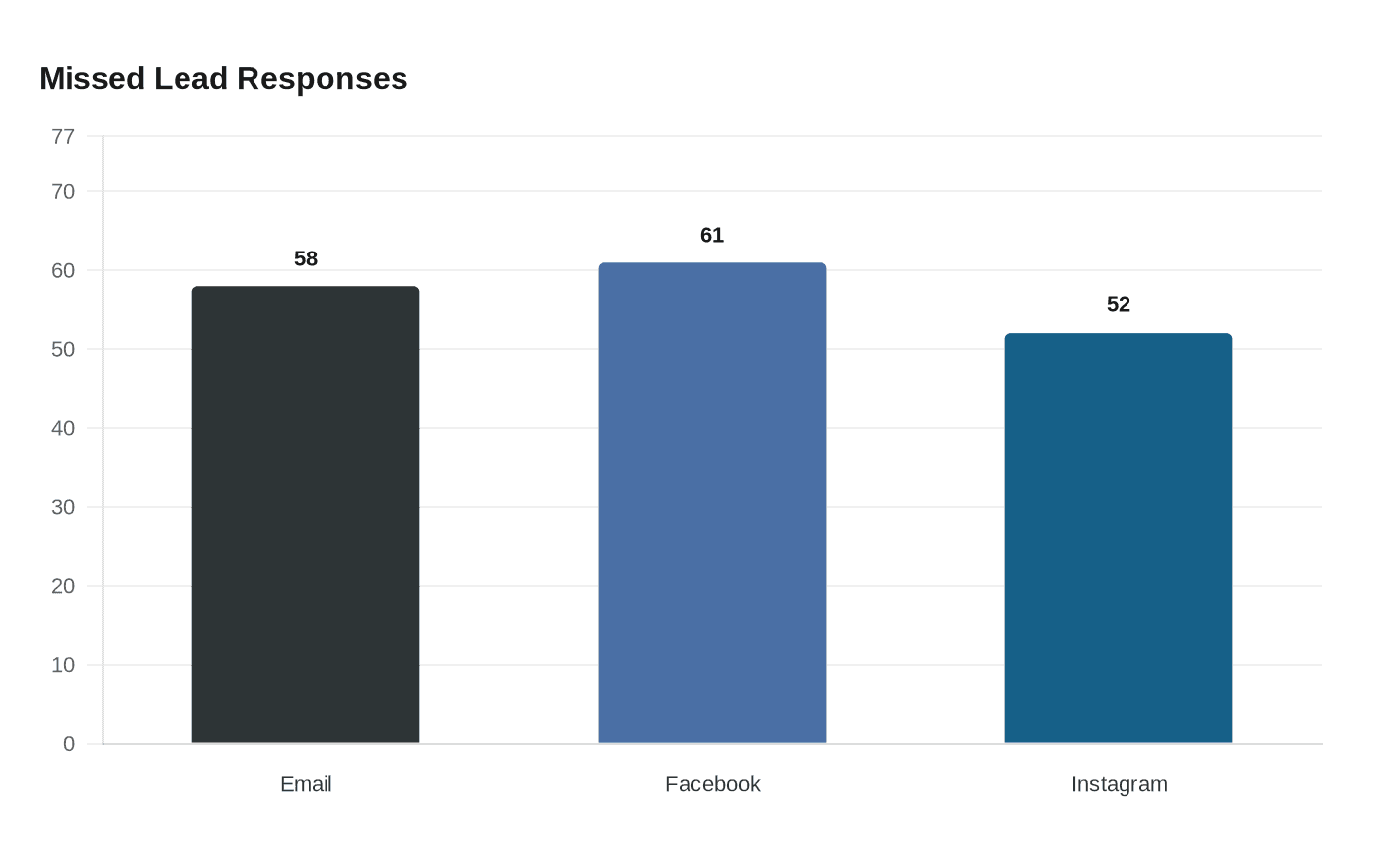
Keepme’s North America study found that 58% of email inquiries, 61% of Facebook messages and 52% of Instagram messages from fitness leads received no response. That is the real business case for AI in a market like Barcelona, where members shop around quickly, compare offers online and often make contact outside normal business hours. The question for club owners is not whether AI looks modern. It is how much revenue disappears every month when no one answers fast enough.

The same pattern showed up in Keepme’s other market tests. In the UK, the company tracked 313 email inquiries and 505 social-media membership inquiries at fitness operators. In Australia, it sent 202 emails, 174 Instagram messages and 164 Facebook messages to health and fitness clubs in August 2024. Across those markets, the message was the same: responsiveness is a sales skill, and slow follow-up costs conversions in an always-on market.
That is where AI starts to look less like a gadget and more like a labor-allocation tool. If software can handle first response, route inquiries and keep the conversation moving, staff can spend more time on sales calls, tours, member service and retention work instead of repetitive admin. In a club with 2,000 members charging 50 euros a month, keeping just 1% more members would protect about 12,000 euros a year in recurring revenue. A 4% lift would be roughly 48,000 euros. That is the sort of threshold owners should use before signing off on any AI spend.
The broader market makes the pressure easier to understand. EuropeActive and Deloitte said the European health and fitness market passed 70 million members for the first time in 2024, while EuropeActive said memberships and revenue grew nearly 10% in its 2025 report based on 2024 data. Statista put European industry revenue at 31.8 billion euros in 2023 and projects the global health-and-fitness-club market will top 125 billion U.S. dollars by 2030.
Barcelona is already part of that growth story. Spain’s Barcelona Supercomputing Centre is slated to host a 200 million euro AI factory expected to be operational by the end of 2025, and Body Fit Training has announced its first Spain studio in the city’s Eixample district at 233 Valencia Street. In a crowded market where boutique clubs, premium operators and low-cost chains are all fighting for attention, the winning edge is not hype. It is answering faster, following up better and protecting margin before it leaks out the door.
This article was produced by Prism’s automated news system from verified source data, official records, and press releases, then run through automated quality and moderation checks before publishing. The system is built and supervised by the people who set the standards it runs under. Read our full AI policy.
Did this article answer your question?