Barcelona Sports Tech Hub boosts fitness innovation across the city
Barcelona is building the tech layer behind its gyms and clubs, turning Montjuïc into a sportstech network that reaches amateurs, researchers and investors.

Barcelona’s fitness story is no longer just about clubs, races, or the next new gym opening. The city has built a sportstech layer around Montjuïc, and the Barcelona Sports Tech Hub is where that infrastructure becomes visible: companies, clubs, universities, start-ups, and public institutions all pushed into the same room. The result is a practical system for how training, recovery, sports management, and participation could change across Barcelona.
Montjuïc is the city’s sportstech engine
The hub was conceived in Montjuïc to make Barcelona an international leader in sportstech, with a clear aim of improving the competitiveness of businesses, organisations, and institutions in the sector. Its remit is wider than a startup showcase. It covers projects that improve sport and sports management, including e-sports-linked projects, and it is built around three concrete lanes: high-performance sport, water sports and the blue economy, and citizen sport.
That broad scope matters because it pulls the conversation out of the usual tech bubble. A platform built only for elite performance would be easy to admire and ignore. This one is designed to shape the tools, services, and data that can reach a club’s strength coach, a municipal sports manager, a rowing program, or the person trying to stay active after work.
Who the hub is actually for
Barcelona Sports Hub says it is open to citizens and the wider society, universities and technology centres, sports clubs, entities and federations, SMEs, start-ups, and large companies. The Barcelona City Council wants it structured as a public-private partnership with institutional partners, sector and technological partners, research centres, sponsors, and associate members. The management model also gives the driving partners a key role in the start-up and operation of the hub.
That is a much more useful model than a closed incubator. It means the city is trying to create a place where the supply side of sport innovation meets the people who will use it, test it, buy it, or reject it. The hub’s own FAQ frames it as a space for entrepreneurs, start-ups, incubators, accelerators and clusters, experts and mentors, investors, universities and research groups, and sports clubs and organisations. In plain terms, it is built to connect the people making sport tech with the people who can make it real.
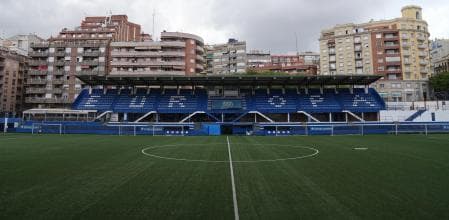
The plan also includes a physical headquarters at the Palau Municipal d’Esports. That choice ties the project to Barcelona’s existing sports fabric instead of isolating it in a generic office block. It feels like a city trying to turn one of its sports landmarks into a working engine for the next generation of training and participation tools.
The launch set the tone
The project was publicly launched on April 15, 2021, at an event chaired by first deputy mayor Jaume Collboni and sports councillor David Escudé. FC Barcelona’s BIHUB was among the invited institutions. That detail matters because it shows the hub started with city government and club-level buy-in, not as a private incubator trying to attach itself to the sports scene after the fact.
The city’s own framing was straightforward: this was a place for innovation applied to sport, with technology linked to financing that could make solutions viable. That combination is the part worth watching. Barcelona is not just saying it wants new ideas. It is trying to build a structure that can take those ideas from pilot stage to something that clubs, gyms, and public sports systems can actually use.
The scale is already bigger than the branding
Barcelona Sports Hub later said the ecosystem had grown to more than 500 members. An official city update said the hub started with 307 entities, companies, and start-ups, including about ten large companies and around twenty universities, training centres, and research institutions. Those are not decorative numbers. They show a network with enough institutional density to produce pilots, partnerships, and procurement opportunities.
For anyone running a gym or coaching in the city, that density is the point. A sports tech ecosystem only matters when it can keep generating useful tools: better performance tracking, more precise recovery services, stronger booking and access systems, and products that survive contact with actual training schedules. Barcelona is building enough connective tissue to make that possible.
The first action plan is where the city gets practical
INDESCAT says the first action plan includes building the hub community, supporting the B-STEP program, backing start-ups, launching the incubator at the Montjuïc Olympic Stadium, promoting and retaining STEM talent in sport, opening the city’s sports system up as a test lab for companies through the Barcelona City Sports Lab, and channeling investment into new ventures.
That is the kind of detail that turns a slogan into a pipeline. A club can imagine testing a new monitoring tool inside the Barcelona City Sports Lab. A start-up can see a path into the Montjuïc Olympic Stadium incubator. A coach can picture new products being designed with local sports environments in mind instead of generic use cases. This is how invisible fitness infrastructure gets built: one program, one testbed, one pilot at a time.
Citizen sport is the real long game
Barcelona Sports Hub says the project is meant to contribute to increasing sports participation among citizens in line with the UN 2030 Agenda. Its leadership has also said future technologies will especially improve sport for amateurs. That is the clearest sign that the city sees sportstech as a public utility, not just an export industry.
This is where the story reaches everyday exercisers. The goal is not only to produce better performance gear for elite athletes. It is to improve how ordinary people access sport, recover from effort, and keep training over time. If a tool cannot work for the amateur swimmer, the recreational footballer, or the after-work runner, Barcelona is still building a market for it here, but it is not treating that user as secondary.
The investment shows the city means it
A later overview put the initial investment at 40 million euros and tied it to converting the former Palau Municipal d’Esports into a modern technological space. That same overview said work was not expected to begin before the final stretch of the 2023-2027 municipal term. The scale and timeline make one thing clear: this is being treated as urban infrastructure, not a passing innovation campaign.
Barcelona’s sportstech bet is bigger than one building or one launch event. It is a city-wide attempt to make sport itself into a platform for research, product development, and public participation, with Montjuïc as the anchor and everyday fitness as the test.
This article was produced by Prism’s automated news system from verified source data, official records, and press releases, then run through automated quality and moderation checks before publishing. The system is built and supervised by the people who set the standards it runs under. Read our full AI policy.
Did this article answer your question?