Barcelona ordered to update sports facilities inventory after Junts push
Junts forced Barcelona to audit every municipal sports facility, a move that could expose which districts are aging, overused, and overlooked.
Barcelona City Hall must update its inventory of sports facilities after Junts pushed through a non-binding motion in the municipal plenary on June 26. The plan calls for a complete review of the condition of all municipal sports sites, with investment needs measured facility by facility and district by district, which could make the city’s maintenance backlog harder to hide.
The motion passed unanimously, but it was built around hard criteria rather than slogans: age, structural condition, level of use and social function. That matters in Barcelona, where the sports map stretches from major event venues to district centers and smaller neighborhood halls that carry a lot of daily traffic. A sharper inventory would show which parts of the city are running on old machinery, where demand is concentrated, and which neighborhoods have been waiting longest for repairs, upgrades or outright replacements.
Barcelona sports councillor David Escudé said the request fit work already underway at City Hall, pushing back on the idea that the administration is fixated on big events and forgetting the local layer. The timing made that tension obvious, with the debate linked to the Tour de France departure from Barcelona and the familiar split between global spectacle and the everyday business of keeping public facilities usable.
The political pressure did not come out of nowhere. On March 16, Junts and Barcelona en Comú forced an extraordinary district meeting in Horta-Guinardó over the deteriorating CEM Vall d’Hebron-Teixonera. Barcelona had fined the concession holder, Fundació Marcet, 26,000 euros for very serious maintenance breaches, and the city also ordered the temporary closure of the changing rooms over sanitary concerns tied to possible scabies and tuberculosis risks. Junts district councillor Arnau Vives called the situation intolerable, and the episode became a sharp example of what an updated inventory is meant to catch before a facility gets that bad.
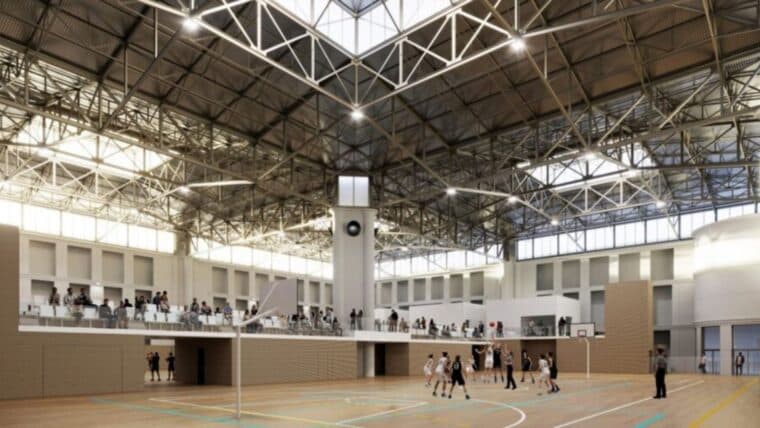
The June vote also landed on top of a broader spending program. In November 2025, Barcelona had already lined up 31 million euros for municipal sports facilities across 2025 and 2026, including 10 million euros in 2025 and 21 million euros in 2026. That package included the transformation of Hall 2 at Fira de Barcelona into a municipal sports hall for Poble-sec, with the first stage due by the end of 2026 and a budget of five million euros. On June 29, the city also announced more than 600,000 euros to renew the grass at Campo de Fútbol 11 de la Teixonera. The inventory push now sits above that pipeline, and it could determine which neighborhoods move first when Barcelona decides where the next euros go.
This article was produced by Prism’s automated news system from verified source data, official records, and press releases, then run through automated quality and moderation checks before publishing. The system is built and supervised by the people who set the standards it runs under. Read our full AI policy.
Did this article answer your question?