AI turns fitness coaching into real-time personalized support
AI is turning coaching into an always-on service: faster plan changes, smarter retention cues, and more personalized support, with trainers still doing the human work.
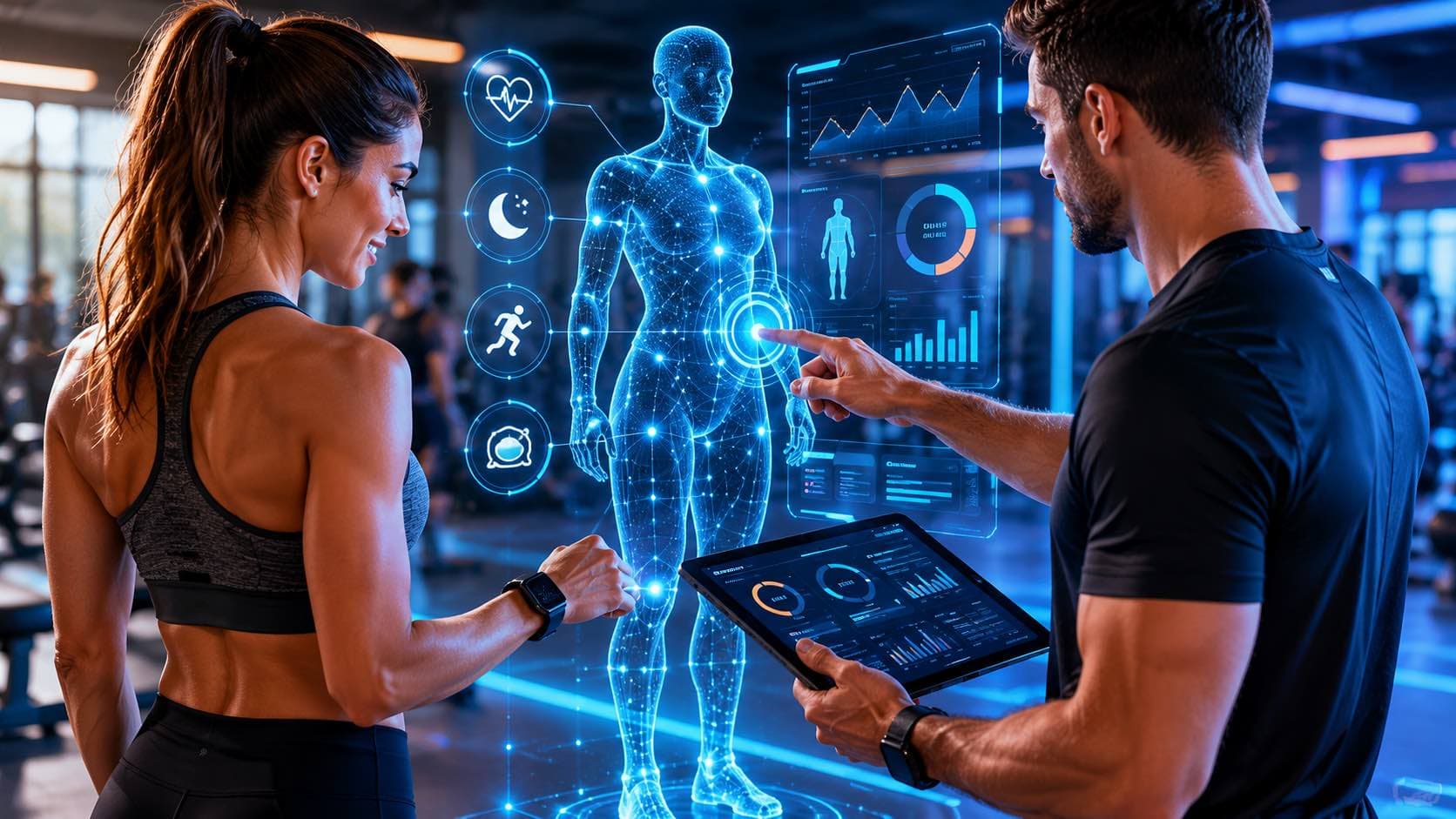
From static plans to live coaching
The biggest change AI brings to fitness coaching is not a flashy chatbot on a screen. It is the slow replacement of one-size-fits-all programming with coaching that can react in near real time. Instead of waiting for the next check-in to adjust a plan, AI systems can keep updating training loads, recovery guidance, sleep-related recommendations, nutrition prompts and follow-up based on the data members generate every day.
That matters because the old model was always a little too rigid for real life. A member sleeps badly, misses two sessions, comes in sore, and the plan is still technically “correct” on paper. AI makes the plan less brittle. It can flag a drop in adherence, spot patterns in behavior, and push the next best nudge before a small lapse turns into a lost member.
What AI can genuinely improve today
On the gym floor, the practical wins are already pretty clear. AI is good at repetitive tasks, pattern recognition and follow-up at scale, which means it can help coaches spend less time chasing admin and more time coaching. It can surface retention alerts when attendance dips, suggest a lighter session when recovery looks poor, and keep an eye on the kind of habit data that humans rarely track closely enough on their own.
The useful part is not just personalization for its own sake. It is the ability to connect the dots between behavior, recovery and adherence, then turn that into action. If a wearable shows poor sleep, if a member’s log shows skipped sessions, or if nutrition prompts are being ignored, the system can adapt the next recommendation instead of waiting for the monthly review.
Why the human coach still matters
The Gym Factory analysis is careful about one thing: AI is not replacing human coaching. That is the right call. A machine can recognize a pattern, but it cannot reliably read the room, understand why a member missed sessions, or know when a plan should be softened because the person is stressed, injured or simply overwhelmed.
Human trainers still carry the parts of the job that make coaching feel trustworthy. They provide judgment, empathy and context, especially when the data tells only part of the story. AI can support the conversation, but it should not become the conversation itself. The strongest model is a hybrid one: technology handles the routine, while the coach handles the relationship.
Why Barcelona operators should pay attention
Barcelona is a good place to watch this shift because the market is already split into premium clubs, boutique studios and coaching-led businesses that compete on personalization. In that kind of market, the question is no longer whether a club has qualified staff. The real question is whether the club can turn coaching into a service that feels continuous, responsive and worth sticking with week after week.
That is where AI becomes a business tool, not just a tech feature. Clubs that connect wearables, sleep data, recovery signals and member behavior can build a more sticky service model. They can keep the conversation going between sessions with progress checks, reminders and behavior nudges that happen quietly in the background. In a crowded city market, that kind of continuity can matter as much as the workout itself.
The business case is retention, not hype
The commercial context backs this up. One industry overview estimates Spain’s fitness market at €3.235 billion in 2025, while a separate report values Spain’s online health and fitness subscription-app market at USD 1.2 billion. Another Spain fitness-app report says demand is rising for personalized workout plans, nutrition tracking and virtual coaching, especially as wearables and smartphones become more common.

That lines up with the bigger market shift from expansion to execution. Clubs are no longer being judged only on how many people they can sign up. They are being judged on usage, retention and whether members keep returning because the service keeps adapting to them. AI fits neatly into that reality because it can support the small, repeated touches that keep a member engaged long after the intro session ends.
Public health data points in the same direction
The broader policy environment is also pushing in the same direction. The World Health Organization says regular physical activity delivers major physical and mental health benefits, including lowering the risks of cardiovascular disease, cancer and diabetes, while also reducing symptoms of depression and anxiety. That is a strong argument for any tool that helps people stay active long enough to build a routine.
The participation problem is just as important. Eurobarometer data show that 45% of respondents in the EU say they never exercise or play sport. That is a huge reminder that the challenge is not only program design. It is adherence. If AI helps people show up more often, recover better and stay connected to the plan, it is addressing one of the industry’s biggest structural problems.
Wearables, monitoring and the trust question
The World Health Organization’s 2026 report on wearable technology and physical-activity measurement points to another important development: experts are actively studying how wearables can be used in population health monitoring, including sleep and sedentary behavior, drawing on lessons from eight countries. That is a strong signal that the data layer behind AI coaching is becoming more accepted, but also more consequential.
For club operators, this is where trust becomes part of the product. Members may love a smarter plan, but they will also ask who sees their sleep data, how recovery signals are used, and whether behavior tracking is being used to coach them or simply to profile them. The clubs that do this well will be transparent about what they collect, why they collect it and how the insights improve the experience. If the data feels invasive, the promise of personalization collapses fast.
Barcelona’s sports-tech backdrop already exists
Barcelona is not starting from zero here. FC Barcelona’s Barça Innovation Hub says it works on wearable technology and data analytics in sports technology, and the club has also publicly pursued AI partnerships, including collaboration with Pixellot on AI-automated coaching solutions. That matters because it shows the city already understands AI as part of performance infrastructure, not just consumer software.
For gym operators, that elite-sport backdrop is useful for a simple reason: it normalizes the idea that coaching can be data-rich without losing its human edge. The lesson from Barcelona’s broader sports-tech scene is not that every club needs a lab. It is that precision, feedback and continuous adjustment are becoming standard expectations.
The practical takeaway for operators
The clubs that will benefit most are the ones that use AI for the jobs it handles best: adaptive programming, retention monitoring, habit tracking and tailored nudges between sessions. The coaches who matter most will still be the ones who can interpret the data, motivate the member and make judgment calls when the numbers are not enough.
That is the real shift. AI is not turning gyms into software companies. It is turning good coaching into a more responsive service, one that can keep learning after the member leaves the floor.
This article was produced by Prism’s automated news system from verified source data, official records, and press releases, then run through automated quality and moderation checks before publishing. The system is built and supervised by the people who set the standards it runs under. Read our full AI policy.
Did this article answer your question?