Barcelona boutique gyms grow on personalization and wellness appeal
Barcelona’s boutique gyms are winning on coaching, community and recovery, with O2 and GOODFIT showing why experience now beats size and price.
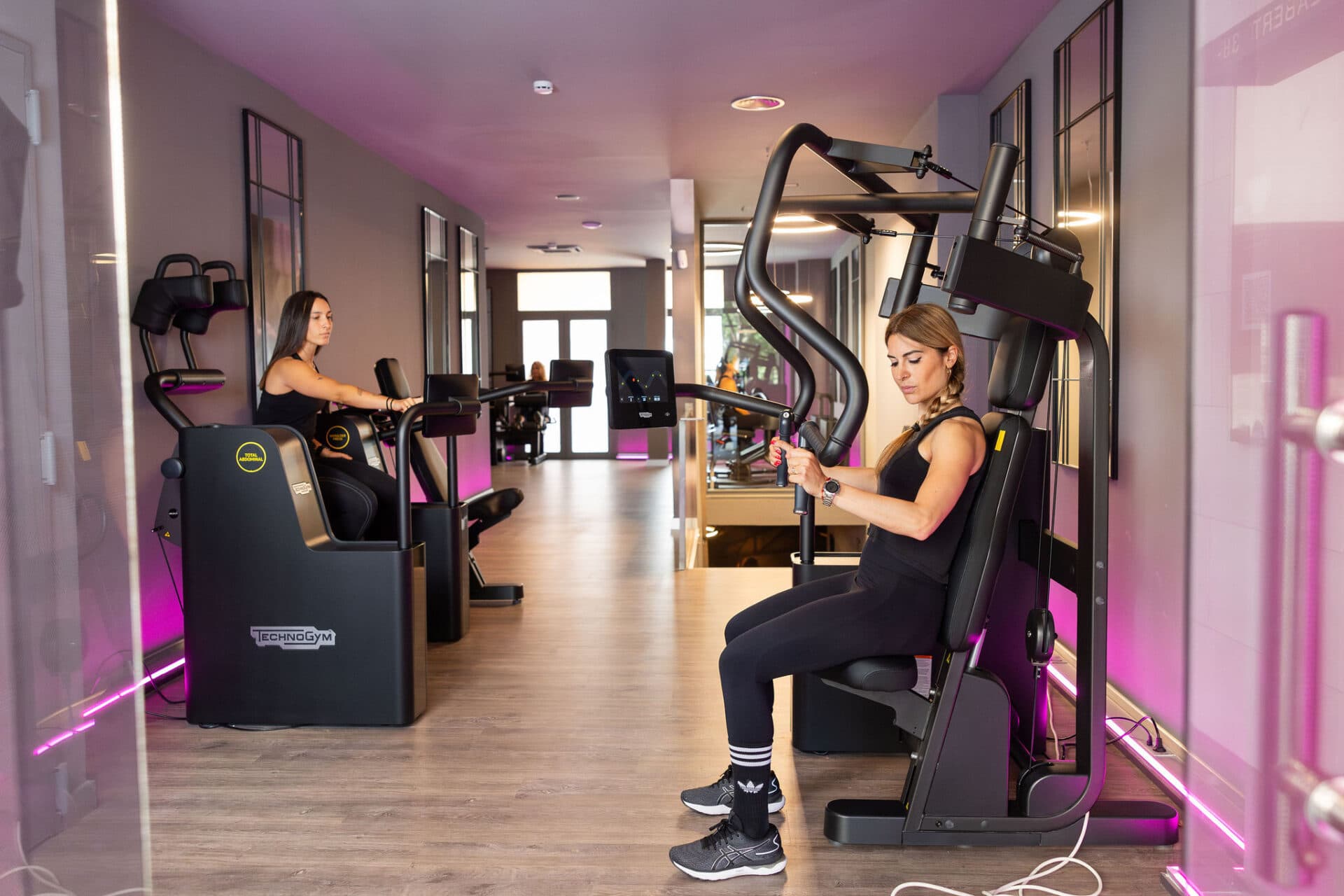
Barcelona’s boutique gym market is selling something the traditional low-cost model never quite managed: a reason to belong. The city’s best-known examples are not chasing the biggest floorplate or the cheapest monthly fee, but a sharper mix of personalization, design, recovery and social energy that makes a workout feel like part of an urban lifestyle rather than a chore.
Why boutique wins in Barcelona
ToYouToMe’s Barcelona boutique gym guide makes the pattern easy to see. Boutique Gym Barcelona by O2 Centro Wellness is presented as an exclusive women’s space in Les Corts with more than 1,000 square meters, while GOODFIT is framed as a holistic boutique gym built around indoor cycling, bootcamp and a strong community logic. That split tells you what the market values: not just access to equipment, but a setting that feels curated, coherent and easy to return to.
A traditional gym still sells breadth and price. Boutique gyms sell an atmosphere that makes the habit stick. In Barcelona, that matters because the urban user profile is not looking only for rows of machines and an open turnstile. The demand comes from people who want specialization, aesthetic spaces, close attention from trainers and a setup that can combine exercise with recovery, social life and self-care in one place.
The O2 Centro Wellness formula
O2 Centro Wellness has leaned hard into that positioning. Its Barcelona boutique at Carrer de Gelabert 44 in Les Corts is a premium women’s club with more than 1,000 square meters, and the brand presents itself as a chain with more than 20 years of experience. The offer is broader than a standard gym floor: cycle indoor, Body&Soul, sauna, a cold-water ice fountain, unlimited guided classes, training sessions and an app-based approach that ties the whole experience together.
That app matters because it turns the club into a managed service rather than a simple access point. O2’s SoyO2 app is built to personalize training, let members work out at home or in the club and book classes easily. Add in tools such as Technogym Checkup, toallas, amenities and ongoing monitoring by personal trainers, and the club stops looking like a room full of equipment. It becomes a structured wellness service with a clear entry point and a clear sense of follow-through.
The programming is just as specific. O2 says it offers more than 200 classes a week, with formats including body pump, barre, cycle, yoga and functional training. Its training plans are adapted to weight loss, injury readaptation, high performance, pregnancy and postpartum, which is exactly where boutique fitness has moved beyond simple performance. The pitch is no longer just “train harder.” It is “train in a way that fits your body, your schedule and your current life stage.”
GOODFIT and the community effect
GOODFIT shows a different but equally revealing side of the market. Instead of the premium club and spa feel, the emphasis is on a holistic training environment built around indoor cycling, bootcamp and community. That combination is important because it shows how boutique gyms compete on motivation, not just on hardware.
The value of a space like GOODFIT is not the number of machines on the floor. It is the environment that makes people show up, stick with the routine and feel that they are training with others rather than next to strangers. In a city like Barcelona, where time is tight and routines are highly scheduled, that sense of shared momentum can be worth more than a few extra square meters or a slightly lower fee.

The market behind the trend
The Barcelona boom sits inside a much larger European upswing. EuropeActive and Deloitte said European fitness memberships reached 67.6 million in 2023, up 7.5 percent year on year, while revenues climbed 14 percent to 31.8 billion euros. Penetration reached 8.4 percent of the total population and 10.1 percent of people aged 15 and older, which leaves room for more growth. EuropeActive then said in April 2026 that the market passed 70 million members in 2024 for the first time, with membership and revenue both growing by close to 10 percent.
Spain’s own numbers point in the same direction. BDO described the sector as expanding and consolidating in its October 25, 2024 study, with 83 percent of operators expecting to raise prices and 58.5 percent planning to increase their fees. That is a useful signal for Barcelona: consumers are tolerating higher prices when the value proposition is more specific, more premium and more clearly tied to results, comfort or identity.
Barcelona’s health backdrop helps explain the demand
The city’s wellness climate gives this model extra traction. The Barcelona Sport and Physical Activity Observatory tracks the evolution of the city’s sports system, and the municipal network of sports facilities keeps exercise broadly accessible. But access alone does not explain the appetite for boutique clubs. The city’s public health picture adds another layer: the Agència de Salut Pública de Barcelona’s report on health in 2024 recorded almost 29,500 new anxiety cases and nearly 9,300 cases of depression.
That context matters because it helps explain why clubs that combine movement with recovery and social connection resonate so strongly. A sauna, an ice fountain, a yoga class, a body and soul format or a carefully coached small-group session is not just a luxury add-on. In Barcelona, it is part of the reason a membership feels usable in real life, not just aspirational on a sales page.
The boutique wave is getting broader
The category is also spreading beyond the first wave of women’s clubs and cycling studios. Edan Studios, announced by Anna Lewandowska in 2024, brought a multi-studio concept built around HIIT, pilates and dance into the conversation. That matters because it shows boutique fitness in Barcelona is no longer a niche defined by one training style. It is becoming a premium format for users who want a place that matches their routines, their aesthetics and their idea of progress.
That is the real advantage boutique gyms are building in Barcelona. They do not compete on size, and they do not try to win only on price. They win when the member feels the club has been designed around a very specific version of urban life, with enough specialization, community and wellness detail to make the membership feel justified every time the door opens.
This article was produced by Prism’s automated news system from verified source data, official records, and press releases, then run through automated quality and moderation checks before publishing. The system is built and supervised by the people who set the standards it runs under. Read our full AI policy.
Did this article answer your question?