Barcelona fitness memberships reach 42.3% as municipal centers drive access
Barcelona has turned gym use into mainstream life: 42.3% of residents hold memberships, and municipal centers punch far above their 4.4% share of supply.

Barcelona’s fitness market has crossed a line from habit to civic behavior. Using 2025 as its reference year, a new sector snapshot says 42.3% of registered residents were subscribed to a sports or fitness center, a scale that now shapes daily life, neighborhood demand and how operators compete across the city.
The study, presented in Barcelona by ADECAFF and the Institut Barcelona Esports at the Cambra de Comerç de Barcelona, counted 949 sports centers in the city, 929 operating and 20 in the pipeline. It put total memberships at 733,061 and annual turnover at 476.3 million euros, numbers that make clear Barcelona is no longer a fringe market for workouts but a dense, mature one that can support everything from low-cost chains to premium clubs.
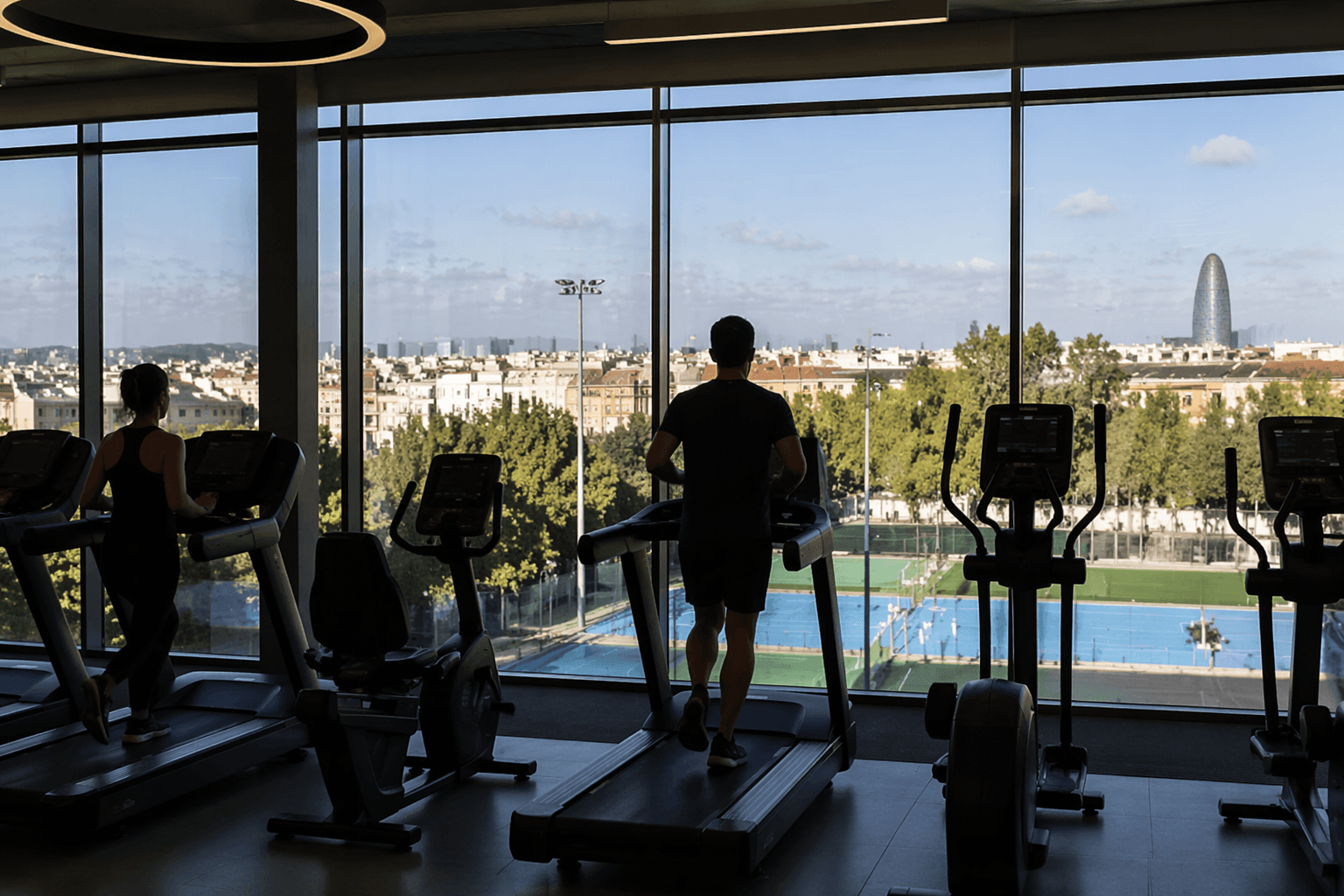
The sharpest imbalance in the report is the role of municipal facilities. They represent just 4.4% of supply, yet account for 27.5% of memberships and more than 201,000 users. They also generate 121.8 million euros a year, or 25.5% of sector revenue. With 97.5% of municipal centers offering a pool and 46% including spa spaces, public venues are not only a low-cost entry point, they are a major part of the city’s leisure and wellness infrastructure.
The private market, by contrast, is where the segmentation shows up most clearly. Barcelona has 908 private centers, 531,725 members and 354.4 million euros in annual revenue. Boutique gyms make up 75.5% of private centers but bring in only 24.6% of private-sector revenue, while low-cost gyms account for just 4.3% of private supply even as 46% of them opened between 2021 and 2025. The sector remains fragmented too, with 69.7% of gyms operating as independents.
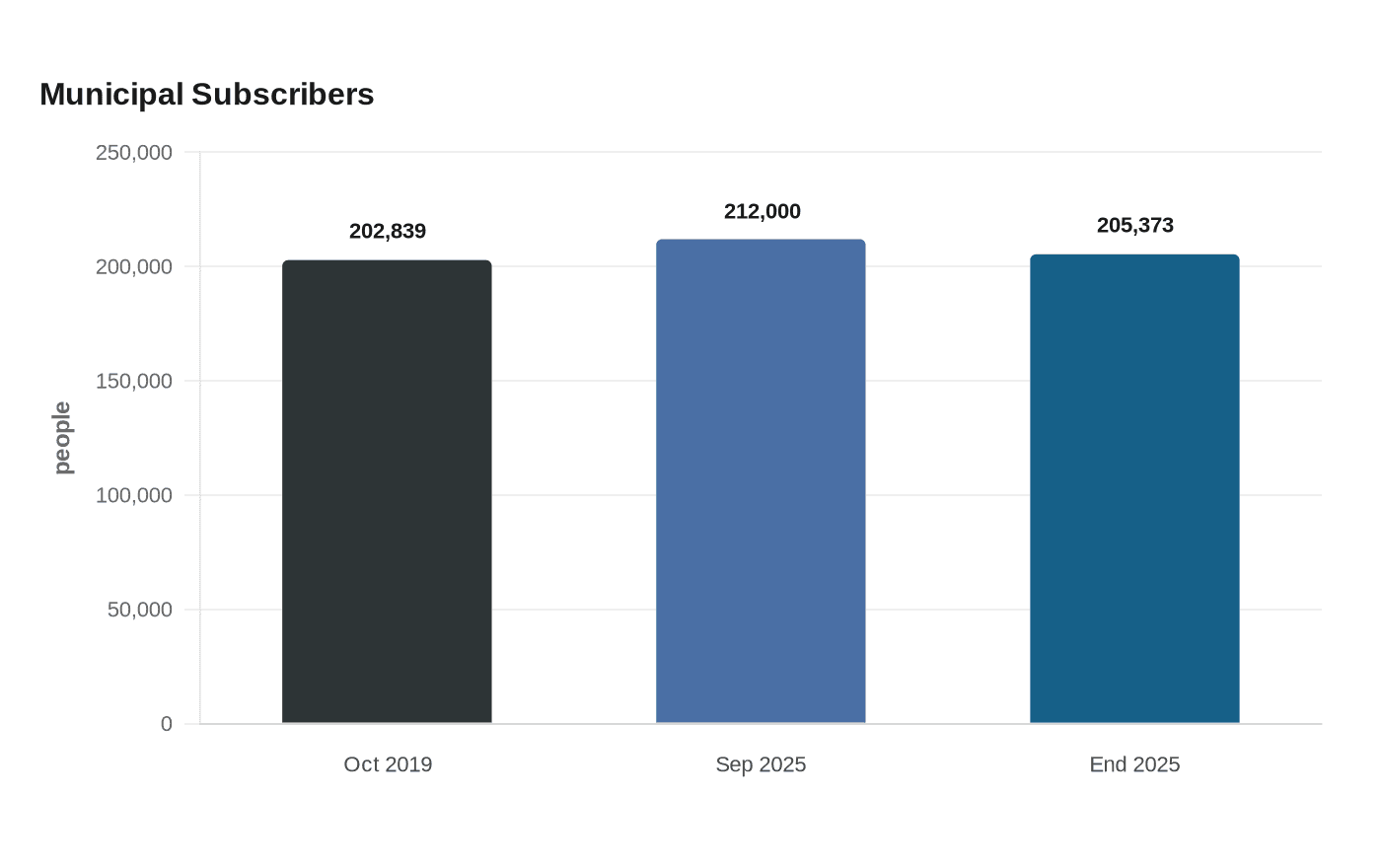
That mix helps explain why the city can absorb both premium and accessible offerings without flattening them into one model. Barcelona’s municipal sports-facility subscriber base finished 2025 at 205,373, more than 7,000 above end-2024 and above the pre-pandemic peak of 202,839 users in October 2019. One city count put the system above 212,000 subscribers in September 2025. David Escudé said the figures showed Barcelonans increasingly practice sport, and the city government said the result confirms Barcelona is “one of the leading European cities” for citizen sports participation.
Barcelona is now Spain’s second municipality by number of fitness facilities, behind Madrid. For operators, that means the fight is no longer just for new members, but for the right format, the right price point and the right slice of a market that has become deeply embedded in urban life.
This article was produced by Prism’s automated news system from verified source data, official records, and press releases, then run through automated quality and moderation checks before publishing. The system is built and supervised by the people who set the standards it runs under. Read our full AI policy.
Know something we missed? Have a correction or additional information?
Submit a Tip