Barcelona’s 1992 Olympics built a citywide fitness legacy
Barcelona’s 1992 Games did more than stage sport. They left behind a citywide network of venues, parks, and public programs that still shape how locals train.
Barcelona’s fitness scene still runs on Olympic plumbing. The 1992 Games were inaugurated on July 25, 1992, but the real legacy is the citywide system they left behind: sport was spread across Barcelona and the surrounding region instead of being trapped in one Olympic park. That design decision still shows up in daily life, from the venues that remain active to the public programs built around them.
The Olympic blueprint
Barcelona’s archive preserves the scale of the transformation in hard numbers. It holds 541.80 linear metres of COOB’92 documentation from 1981 to 1993, a paper trail for a city that treated the Games as an urban project as much as a sporting one. The IOC’s venue overview makes the physical legacy easy to measure: 38 competition venues were used in 1992, 16 were new, 28 were refurbished, and 32 remain in use today.
That matters because the city did not build for a single fortnight and walk away. Of the refurbished facilities, 26 are still used for sport, culture, or entertainment, which is why the Olympic footprint is still part of the city’s operating system. The important point for anyone mapping Barcelona fitness today is simple: the Games were not an isolated event, they were the moment the city started treating sport as permanent infrastructure.
How the city turned venues into everyday training ground
The enduring value of the Olympic plan is its geography. By distributing venues across Barcelona and the wider area, the city created a network rather than a monument. That approach made the sports landscape usable after the athletes left, and it is why the city still feels built for movement rather than merely decorated with it.
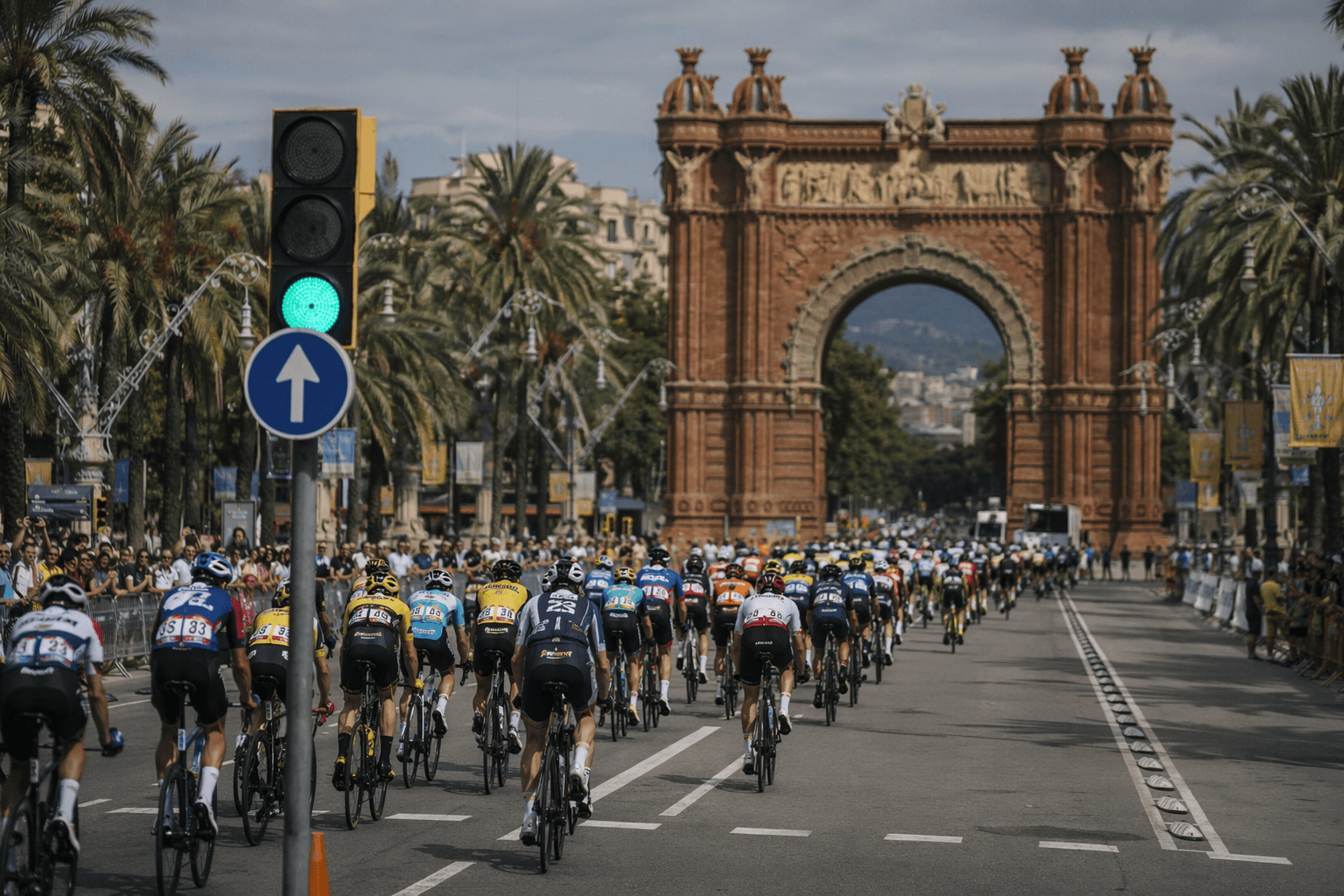
This is the part that shapes present-day habits. Running, cycling, swimming, and training in Barcelona are not happening in spite of the city’s planning history. They are happening because that history gave the city a spread of public facilities, refurbished sites, and civic spaces that still absorb everyday use. The legacy is visible in the way a former competition venue can still host sport, while a neighboring space can handle culture or entertainment without losing its connection to physical activity.
What to look for in the legacy sites
- Former Olympic facilities that were refurbished instead of replaced
- Venues that still carry mixed use, especially sport, culture, and entertainment
- Citywide rather than centralized planning, which makes the system easier to use across neighborhoods
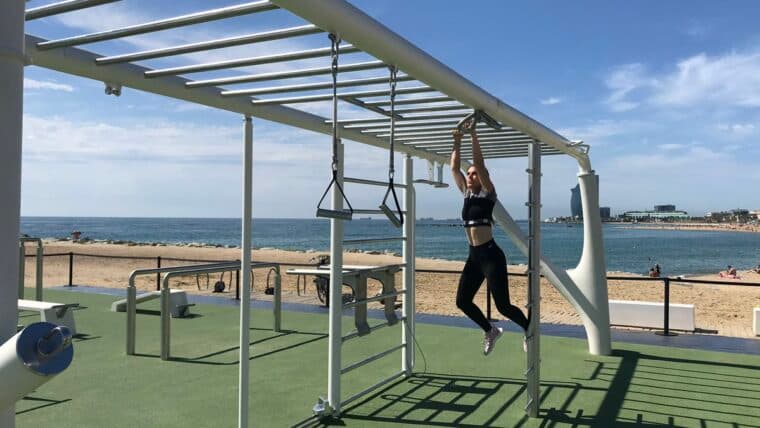
- Public spaces that now work as everyday exercise settings, not just event backdrops
That mix is why Barcelona’s fitness identity feels designed rather than accidental. The city did not simply inherit a few famous buildings; it inherited a working framework that still supports movement across multiple settings.
Sport for all became the civic model
The IOC ties the post-Games legacy to participation programs that widened access beyond elite sport. Barcelona used the Olympics to launch Sport for All initiatives for children and young people regardless of background, along with summer Campus Olímpia sessions in Olympic venues. It also created social-integration projects such as Convivim Esportivament, which put sport into the city’s broader public-health and social-policy toolkit.
The participation numbers tell you how deeply that model sank in. School-sport participation reaches about 40,000 children each year, and around 72,000 young people are involved overall. Barcelona also runs Activate, a free initiative for people over 40 that takes activity into parks, gardens, and squares. That is a crucial detail for understanding the city’s fitness culture: it is not built only around clubs, private gyms, or competitive athletes. It is built around a public ladder that starts in childhood and keeps going well past midlife.
The institutions that keep the system moving
Barcelona’s own sports institute frames the whole structure around universal access to sport and physical activity. That goal is supported by the Municipal Sports Council, the Barcelona Sports Office, and the Sport and Physical Activity Observatory, the body that monitors and evaluates the city’s sports system. Those institutions matter because they turn a legacy into a managed network instead of a fading memory.
The city’s interactive map adds another practical layer. It covers 40 municipal sports centres, which gives the system shape on the ground and shows how residents actually encounter it. For professionals looking at Barcelona as a fitness city, that is the real insight: the infrastructure is not just iconic, it is legible. You can see where the system sits, how it is organized, and how it connects to the city’s wider public realm.
Why the map matters
The map is not decoration. It is the proof that Barcelona’s sports model is meant to be used at street level, not admired from a distance. A city that can identify 40 municipal sports centres is a city that has turned access into a planning discipline.
The planning logic that extended the legacy
Barcelona did not stop after 1992. Its sports strategic plan for 2012 to 2022 was presented to the City Council plenary on July 25, 2012, exactly 20 years after the Games were inaugurated. The plan was organized around six master plans and 22 strategic projects, which shows how deliberately the city kept updating the system instead of freezing it as Olympic nostalgia.
That is the through line from the old venues to today’s routines. The Games created the physical base, the participation programs widened the user base, and the city’s institutions kept refining the operating model. Barcelona’s fitness identity is not a lifestyle accident or a branding slogan. It is the result of a civic decision to make sport part of how the city works every day.
This article was produced by Prism’s automated news system from verified source data, official records, and press releases, then run through automated quality and moderation checks before publishing. The system is built and supervised by the people who set the standards it runs under. Read our full AI policy.
Know something we missed? Have a correction or additional information?
Submit a Tip