Barcelona hotel terraces become a citywide wellness network for residents
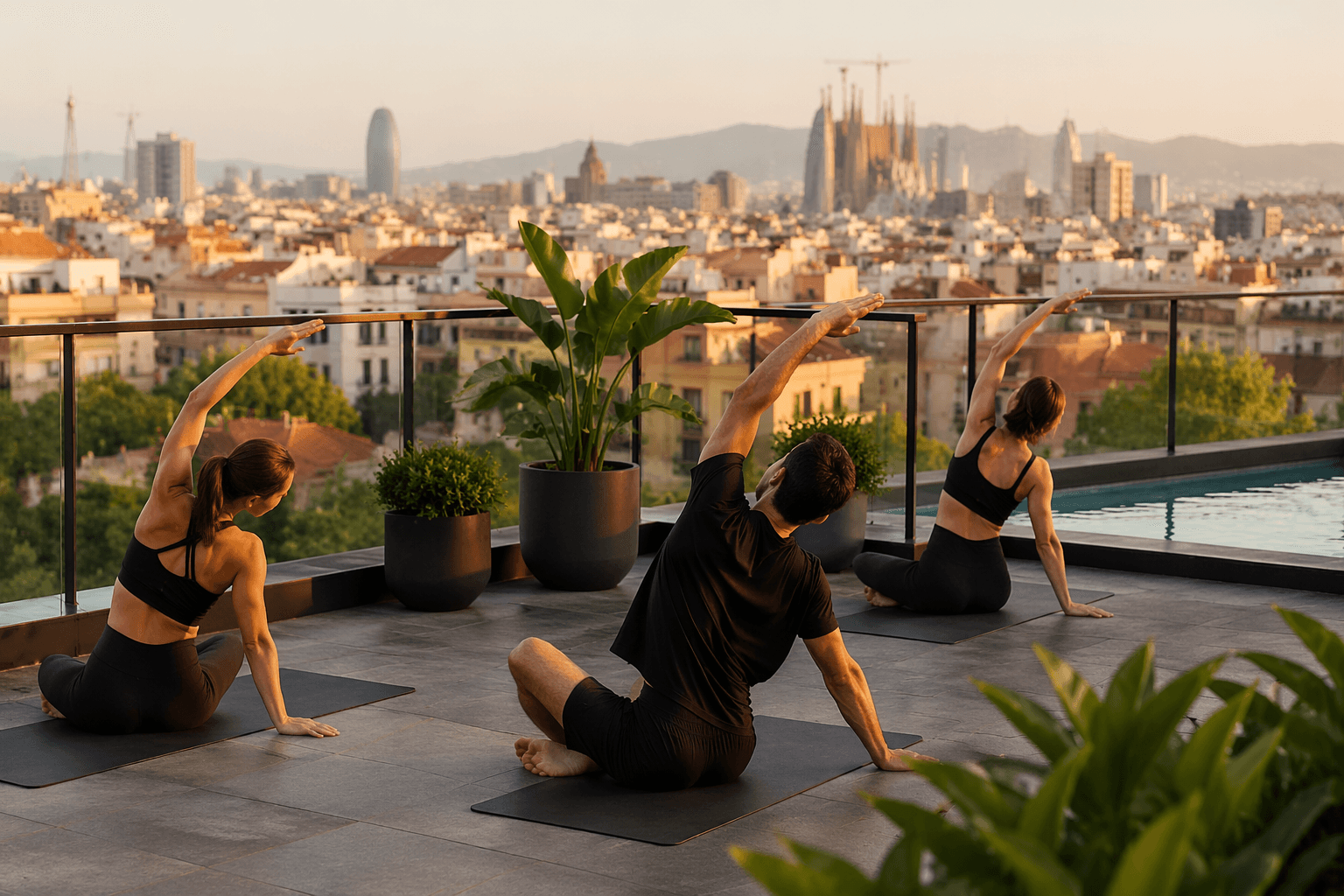
Barcelona’s hotel rooftops are being treated like wellness infrastructure, with free terrace workouts, rituals, and recovery spaces pulling locals into spaces built for tourists.
Barcelona’s rooftops as wellness infrastructure
Barcelona is turning hotel terraces into something bigger than a cocktail perch. The city’s rooftops and courtyards are being used as a distributed wellness network, where yoga mats, Pilates sessions, meditation workshops, and recovery rituals sit alongside the usual food-and-drink draw. That shift matters because it moves hospitality into the same territory as boutique fitness, only with better views and a much broader audience.
Hotel Terraces Week makes that idea concrete. The 15th edition runs from May 29 to June 7, 2026, with 58 hotels and more than 120 free cultural and gastronomic activities, and the official city framing is clear: it is free and open to all. Barcelona City Council and the Barcelona Hotel Guild are the organizing partners, which gives the program a different feel from a standard hotel promotion. It reads less like a sales campaign and more like a city-backed experiment in how public life can spill upward into private buildings.
What the 2026 program actually offers
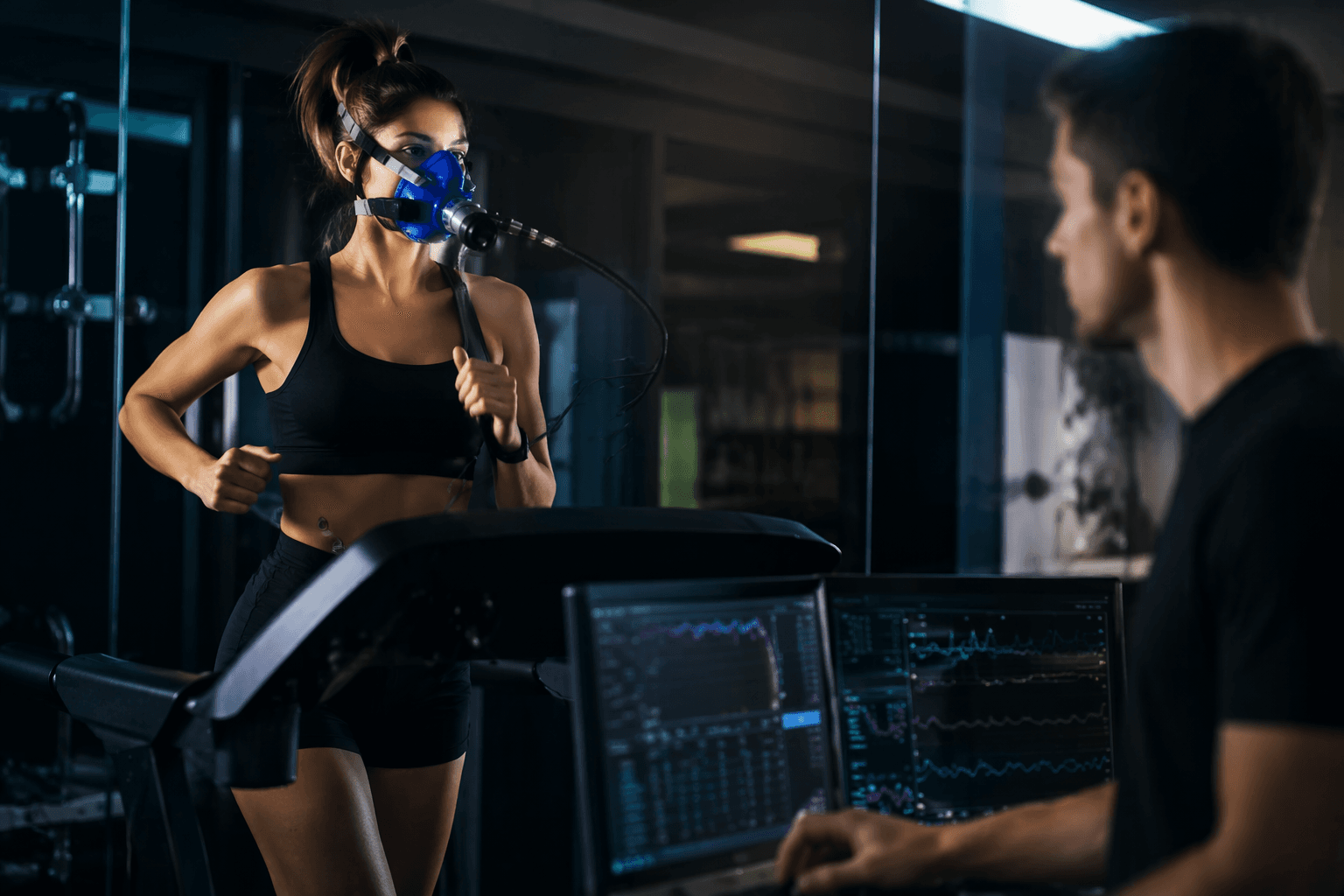
The useful part for anyone watching the fitness and wellness market is that the program is not just about rooftop lounging. The hotels are programming movement and recovery in ways that mirror the current wellness economy, only in shorter, more accessible formats. Yoga at Hilton Diagonal Mar, Pilates classes at The Hoxton in Poblenou, personal care rituals at Majestic Hotel & Spa, and active meditation workshops at Arya Stadium all point in the same direction: the terrace is becoming a studio, a recovery space, and a social setting at the same time.
A few of the most relevant activations stand out:
- Yoga at Hilton Diagonal Mar, where the terrace becomes a calm, elevated training floor.
- Pilates at The Hoxton in Poblenou, a fit for people who want controlled, low-impact work without entering a full studio membership cycle.
- Personal care rituals at Majestic Hotel & Spa, which push the program beyond exercise and into recovery and self-maintenance.
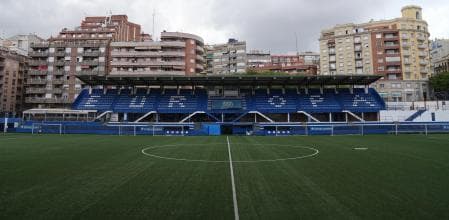
- Active meditation workshops at Arya Stadium, a reminder that wellness in Barcelona is increasingly about presence and reset, not only sweat.
- A synchronized swimming show at Ohla Barcelona, directed by Anna Tarrés, one of the most recognizable names in Spanish synchronized swimming.
That last activation is the clearest sign that Terrace Week is thinking like a wellness platform rather than a hotel amenity package. It uses performance, water, and choreography to create an experience that sits between sport, spectacle, and recovery culture. Ohla Barcelona staged that show on June 9 as part of Terrace Week programming, which tells you the week is stretching beyond simple class formats and into signature moments that can anchor attention.
Why the terraces matter for Barcelona specifically
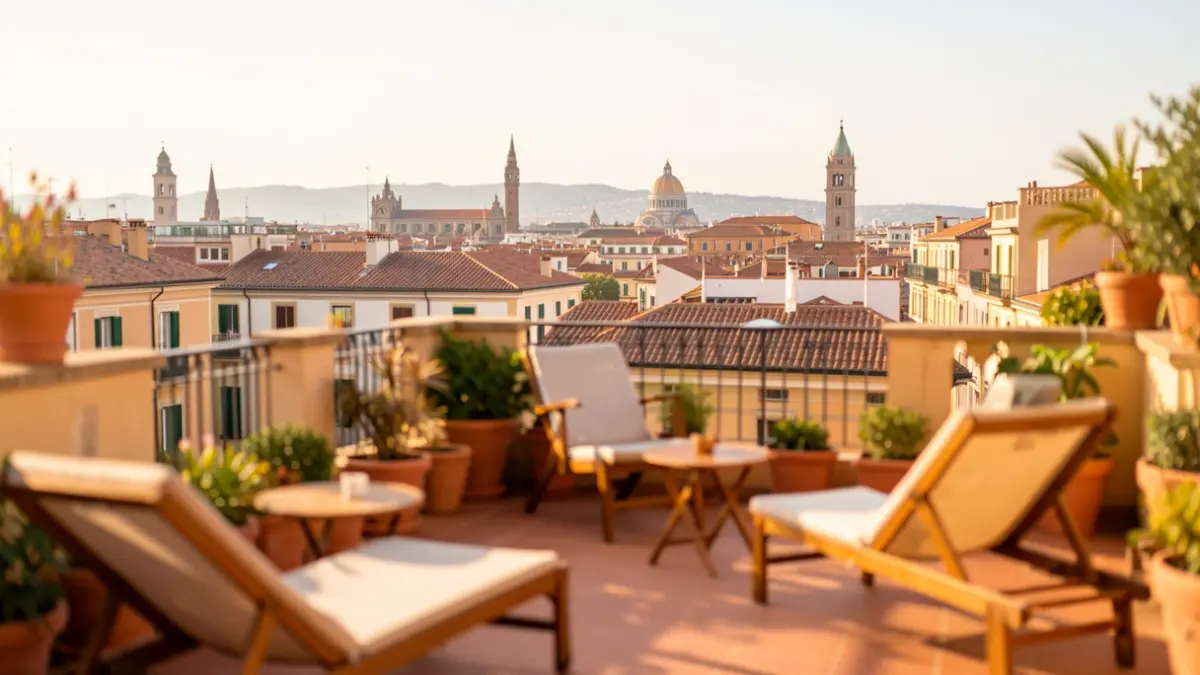
Barcelona already has the physical ingredients for this kind of programming. Rooftops in the city carry climate value, skyline value, and that hard-to-copy sense of urban escape that open gyms and boutique studios spend all year trying to manufacture. When a hotel terrace hosts a yoga class or meditation session, it is not just renting out space. It is selling the same emotional payoff that wellness studios trade on, but with a broader reach and a softer entry point.
That is the strategic reason the initiative lands so well with residents. For locals, the appeal is novelty without commitment: a one-off class, a free ritual, a terrace they would never normally use unless they were staying overnight. For hotels, the payoff is more obvious and probably bigger. They get foot traffic, local awareness, and a way to reposition themselves as places to spend time, not just places to sleep.
Visitors get something different. They receive a curated version of Barcelona that blends recovery, leisure, and skyline tourism into one polished experience. That can be appealing, but it is still a visitor-facing layer on top of a city program that seems best suited to residents who want low-friction access to wellness experiences and hotels that want to monetize atmosphere.
Who this serves best
If you have to pick the best-served group, it is locals seeking novel workouts and recovery experiences. They get free access, they get unusual settings, and they get a reason to walk into hotels that are usually built around overnight stays or expensive rooftops. Hotels, meanwhile, are the strategic winners because they gain a new kind of audience and a new justification for treating terrace space as commercial fitness infrastructure.

That does not mean tourists are irrelevant. Far from it. But visitors are consuming a packaged version of a city trend that is increasingly being built for residents first, then translated into hospitality revenue. That is exactly why the program feels important: it blurs the line between neighborhood amenity and hotel programming without pretending those categories are still separate.
The growth curve says this is sticking
The 2026 scale is not a one-off flourish. Barcelona’s official materials say the 2025 edition involved more than 60 establishments and more than 130 free activities. Earlier city listings point to 2022, when the 10th edition included 56 participating hotels and nearly 150 free cultural and gastronomic activities, and city materials from the following period show the event had already reached its 12th edition. The steady expansion suggests the model has real traction, not just novelty value.
For the fitness industry, that matters because it shows demand is no longer confined to standalone clubs, luxury spas, or dedicated studios. Barcelona’s hospitality sector is borrowing the language of recovery, mindfulness, and movement to differentiate itself, and that creates room for instructors, wellness brands, and event designers to plug into a wider calendar. If this keeps growing, more hotels will stop treating yoga, Pilates, breathwork, and personal-care activations as seasonal extras and start treating them as core programming.
Barcelona’s terraces are becoming more than scenic add-ons. They are being used like civic wellness assets, and the city is making a clear bet that people will show up for that mix of movement, recovery, and views.
This article was produced by Prism’s automated news system from verified source data, official records, and press releases, then run through automated quality and moderation checks before publishing. The system is built and supervised by the people who set the standards it runs under. Read our full AI policy.
Did this article answer your question?