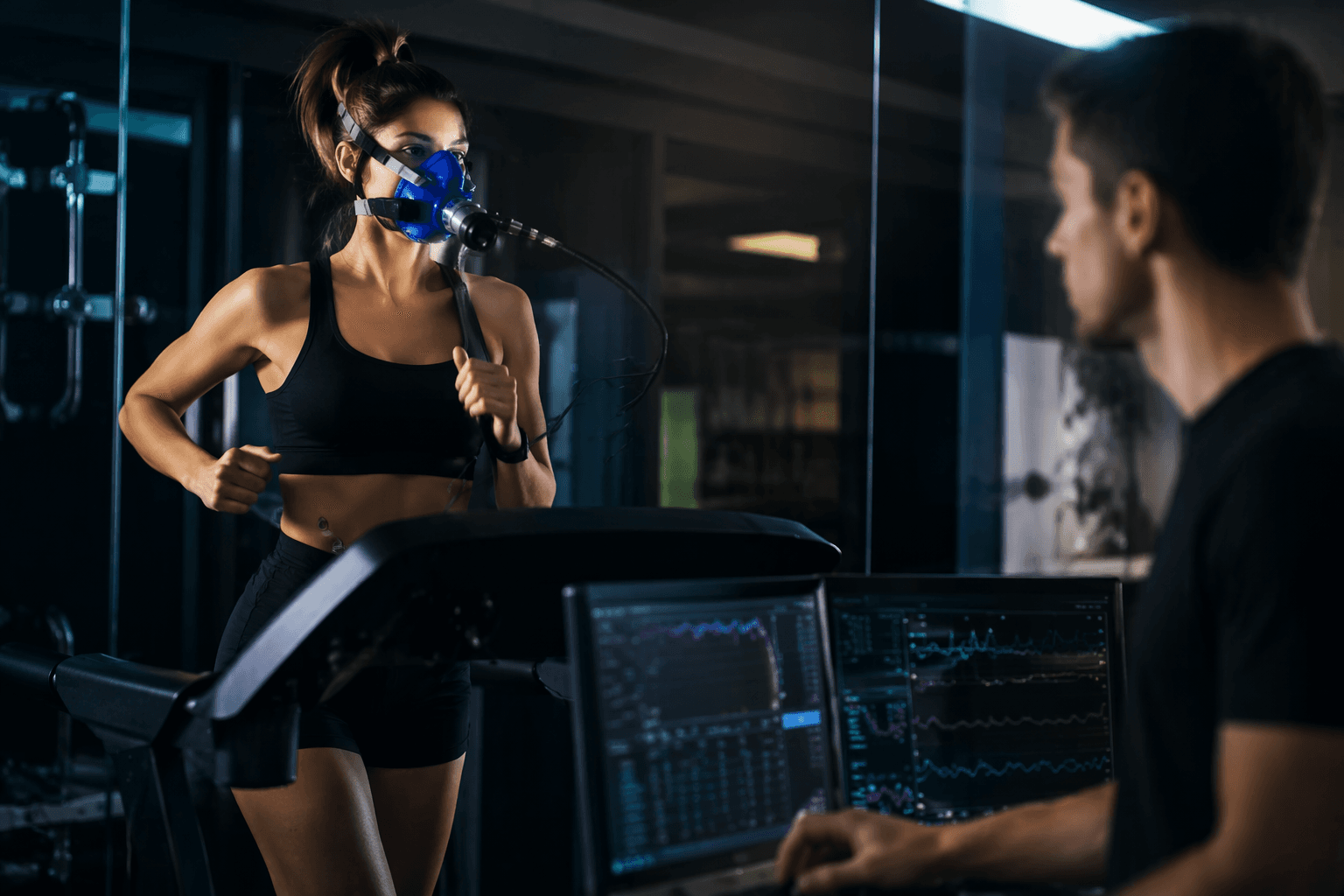
Barcelona hotels turn rooftops into wellness and recovery spaces
Barcelona’s rooftops are becoming recovery floors, and hotels are packaging breathwork, stretching, and yoga as premium wellness products. That shifts who owns the city’s fitness customer.

Breathwork moves into the hotel business
Barcelona’s wellness scene is no longer staying inside the studio. On the rooftop of Hotel ME BCN 5*, a breathwork-and-stretch session turns a luxury hotel into a recovery venue, with conscious breathing and gentle and deep stretching aimed at easing physical and mental tension while improving flexibility, posture, and the mind-body connection.
The setup is telling. This is not framed like a hardcore training class, and it is not just a passive hotel amenity either. It sits in the middle ground that premium hospitality now likes best: a low-friction, bookable wellness experience that feels elevated enough for travelers, but accessible enough for locals who want a taste of recovery without committing to a full membership or a specialist studio schedule.
Why the rooftop format works
The appeal starts with location. Fever places the experience at ME Barcelona, Carrer de Casp, 1-13, 08010 Barcelona, in Urquinaona, which matters because it brings wellness into the city center rather than pushing it out to a destination spa on the edge of town. For a city where visitors and residents already move through dense, walkable neighborhoods, that central address is part of the product.
The hotel itself is built for this kind of crossover. Meliá’s official ME Barcelona page highlights an elegant rooftop pool, spa, fully equipped gym, urban garden, Rooftop Bar, and more than 600 m2 of versatile spaces. In other words, the property already has the physical ingredients for wellness programming, from recovery to socializing to events, which makes the rooftop session feel less like a one-off stunt and more like a natural use of the venue.
The practical setup is equally hotel-friendly. Fever lists the experience as 18+ and says dates and times are selected directly in the ticket selector. An event aggregator also listed Breathwork & Stretch at ME Barcelona for Thursday, 28 May 2026 at 08:00 am CEST, which shows the format is being handled like a scheduled hospitality experience rather than an open-ended class series.
What the session actually sells
The session is marketed around more than flexibility work. Fever says the breathing and stretching practice is meant to promote relaxation, mental clarity, and emotional balance, with the parasympathetic nervous system singled out as part of the effect. That language is important because it positions the class in the recovery economy, where calm, regulation, and nervous-system reset are being sold with the same polish once reserved for fitness intensity.
That also explains why this kind of program lands well in a hotel context. A rooftop wellness session does not need to compete with a strength studio on barbells or a boutique cycle class on sweat output. It competes on atmosphere, convenience, and perceived restorative value, which is exactly where premium hospitality already knows how to win.
There is also a recurring-programming angle here. Fever also lists ME Barcelona Yoga & Snacks at the Rooftop of Hotel ME BCN, which suggests the hotel is not experimenting with a single wellness event but building a repeatable rooftop format. Once a hotel can rotate breathwork, yoga, stretching, and social recovery concepts through the same space, it stops being just a venue and starts acting like a wellness platform.
Hotels as competitors, partners, and acquisition channels
For Barcelona’s fitness economy, the real story is not simply that hotels are adding classes. It is that they are reshaping where the first wellness touchpoint happens. A rooftop breathwork session can function as a competitor to independent studios, but it can also work as a feeder channel, introducing new clients to a trainer, a method, or a brand in a space that feels lower-commitment than a dedicated membership.
That distinction matters for trainers and wellness operators. Hotels bring design, views, and foot traffic that are hard to replicate, especially in a city center property with a rooftop pool, spa, gym, and event-capable spaces. The upside for a wellness brand is access to guests who are already primed to spend on experience-led products, plus locals who might try a class in a hotel before booking a package or following a teacher elsewhere.
It also changes the economics of discovery. A hotel-led class can act as a customer-acquisition channel for a trainer or treatment brand, especially when the experience is positioned as premium, photo-friendly, and easy to book. In that model, the hotel is neither purely a competitor nor purely a partner. It is a distribution layer, one that controls the setting, the audience, and the upsell path.
Barcelona is already building the pattern
ME Barcelona is not operating in isolation. Kimpton Vividora Barcelona advertises a yoga space with views over Barcelona, pairing luxury hospitality with a wellness-led visual proposition. Nobu Hotel Barcelona has promoted rooftop wellness classes and related recovery offerings, including a September RESET program with rooftop wellness classes, a new Natura Bissé treatment, plant-based gastronomy, and revitalizing drinks.
Put together, those examples show a wider upscale pattern in the city: rooftops are being converted into places for movement, recovery, and ritual. The point is not just to offer another amenity. It is to create a hospitality layer where wellness can be packaged, branded, and sold with the same precision as dinner reservations or spa appointments.
Meliá’s Barcelona spa page reinforces that direction by marketing spa hotels in Barcelona as part of the city’s wellness offering. That matters because it treats wellness as a visible hospitality category, not an add-on hidden behind the front desk. When a major hotel group starts presenting spa hotels as part of Barcelona’s identity, it signals that recovery has become a recognized line item in the city’s visitor economy.
Why the city can support it
Barcelona’s tourism observatory publishes ongoing tourism activity and tourist-profile reports for Destination Barcelona, which underscores how closely the city tracks the visitor market that these hotel experiences are trying to capture. That matters because event-led hospitality products work best where there is a steady flow of travelers, short stays, and high willingness to pay for convenient experiences.
For the city’s fitness sector, that creates a more layered market. Specialist studios still matter, especially for serious training and community-building, but hotels are now claiming a bigger share of the recovery and mindfulness lane. The result is a more diversified wellness landscape, where breathwork, stretching, yoga, and rooftop recovery sit beside harder training formats instead of staying outside the hospitality economy.
Barcelona’s rooftops are no longer just for drinks and skyline photos. They are becoming the city’s new soft-entry wellness spaces, and the hotels that own them are quietly redrawing the map of who gets the next wellness customer.
This article was produced by Prism’s automated news system from verified source data, official records, and press releases, then run through automated quality and moderation checks before publishing. The system is built and supervised by the people who set the standards it runs under. Read our full AI policy.
Did this article answer your question?