Barcelona restricts traffic for women’s Vuelta Ciclista a Catalunya finale
Barcelona closed key Sants-Montjuïc streets for the women’s Volta finale, turning the city’s cycling network into a live test of active travel.
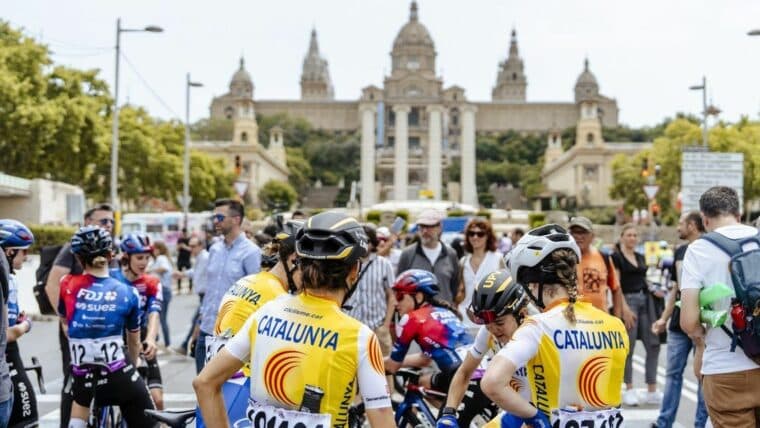
Barcelona tightened vehicle access across the Sants-Montjuïc race corridor on Sunday, June 21, as the women’s Vuelta Ciclista a Catalunya finished in the city after starting in Mataró and coming in via L’Hospitalet de Llobregat on the C-31. The municipal mobility notice, published on June 18, cut circulation on the roads affected by the final stage and put one of Barcelona’s busiest fitness-and-commuter districts on race-day footing.
The finishing circuit ran through Plaça Cerdà, Gran Via de les Corts Catalanes, Plaça Espanya and Avenida Reina Maria Cristina, a route that does more than host a peloton. It reorganizes how people move through the district, with traffic restrictions, parking limits and bus diversions shaping the day before the riders even reached the line. The official race schedule put the final stage’s estimated arrival at around 2 p.m., which meant the disruption landed squarely in the middle of a Sunday flow that still matters to runners heading to Montjuïc, cyclists crossing the city and gym-goers trying to get across town.

The scale of the notice matched the scale of the race. The Volta Ciclista a Catalunya women’s event was in its third edition in 2026, after 2024 and 2025, and the UCI classified it as a 2.1 stage race. This year’s race ran from June 19 to June 21, with 22 teams on the start list, including 10 from the top two tiers of international women’s cycling. That field gave the Barcelona finale real sporting weight, not just local color.
The closing stage also had the kind of result that raises the event’s profile beyond the cycling niche. Marianne Vos won the Barcelona finale on June 21, and Paula Blasi took the overall title. For a city that already says it has nearly 2,000 kilometres of cycling routes and 263 kilometres of bike lanes, that matters. Barcelona’s mobility policy has long pushed more walking, public transport and cycling, and its 2025-2030 goals aim to reduce private-car use from 19.9% to 15% while lifting bicycle and personal-mobility trips from 3.8% to 5.7%.
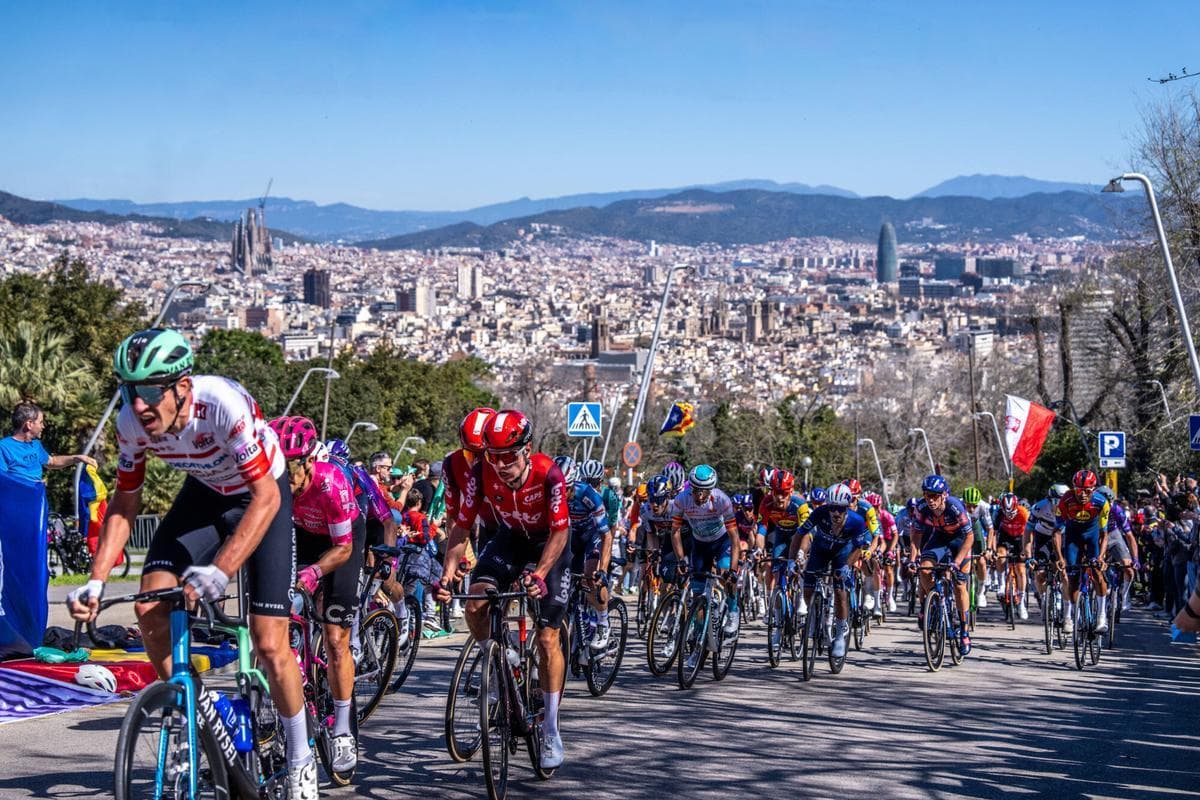
This was not the first time the women’s Volta forced the city to redraw its street map. The 2025 edition also triggered a Barcelona mobility notice for Sants-Montjuïc, with closures from 7:30 a.m. on Sunday, June 8. Repeating that kind of plan in consecutive years shows the women’s race has become a recurring operational fixture, and a useful stress test for how Barcelona handles movement, sport and street space at the same time.
This article was produced by Prism’s automated news system from verified source data, official records, and press releases, then run through automated quality and moderation checks before publishing. The system is built and supervised by the people who set the standards it runs under. Read our full AI policy.
Did this article answer your question?