Barcelona to host 41 boats in Menorca Sant Joan regatta
Forty-one boats from seven countries raced 140 nautical miles from Barcelona to Mahón, turning Menorca Sant Joan into a hard offshore test of stamina.
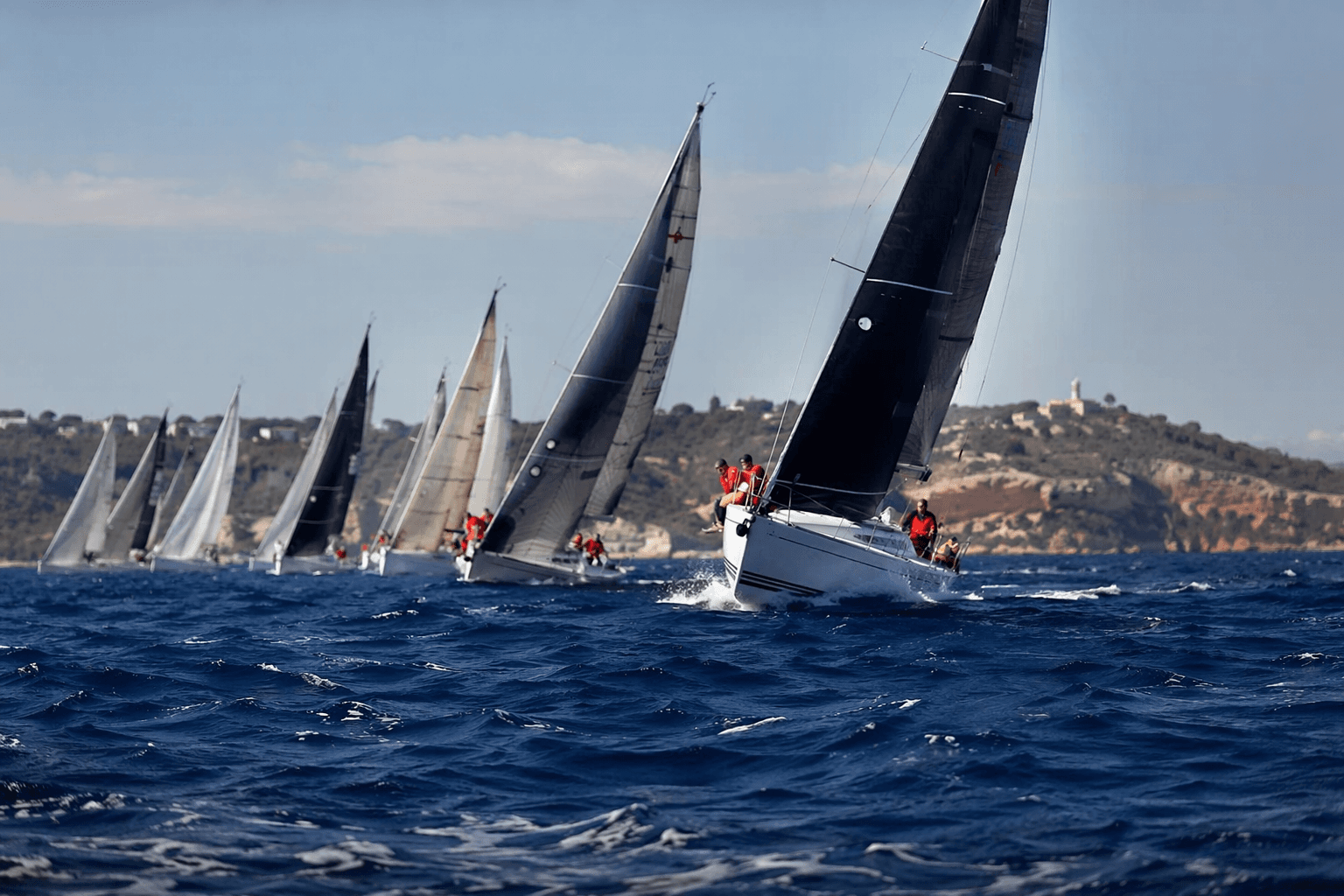
Barcelona’s sporting reach went well beyond the gym as 41 boats from seven countries lined up for the XXVII Regata Menorca Sant Joan - Trofeo Alfons XIII, a 140-nautical-mile passage from Barcelona to Mahón that also counted as the Campeonato de España Altura Zona Mediterráneo. The race ran from 18 to 20 June and sat inside Menorca’s Sant Joan festivities, with the Real Club Náutico de Barcelona and the Club Marítimo de Mahón sharing organization and the Federación Catalana de Vela and Federación Balear de Vela lending support.
What makes this regatta worth watching is the way it turns endurance sport into a full-body logistics problem. In the ORC fleet, both in crewed and two-person classes, sailors had to manage strength, balance, sleep loss, and constant course changes while the Mediterranean kept throwing its own conditions into the mix. This is the part of Barcelona’s fitness culture that rarely gets enough airtime: offshore racing asks for the same conditioning logic as serious training on land, only here the reward depends on how well a crew handles fatigue, recovery, and attention over hours rather than minutes.
The event also underlined how much reputation matters in sailing. The 2026 field was smaller than the 54 boats that entered in 2025, but 41 boats still gave the race clear weight as one of the Mediterranean’s more established offshore fixtures. A 2024 organizer report showed why. The fastest boat completed the Barcelona-to-Mahón passage in 19:46:11 on corrected time, a figure that captures just how punishing the route can be even for experienced crews.
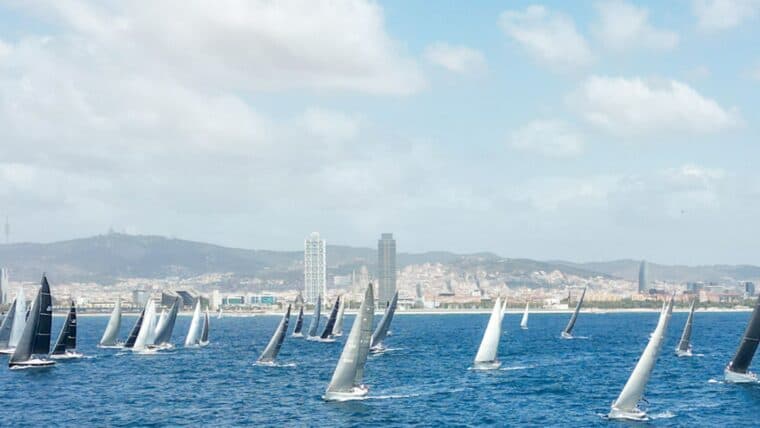
That mix of distance, tactics, and tradition makes the regatta more than a regional sailing date. It linked Barcelona’s maritime identity with Menorca’s local calendar, drew in clubs and sponsors, and offered a reminder that endurance sport in this city is not limited to track work, cycling lanes, or boutique studios. Offshore racing belongs in the same conversation, because it tests the same qualities in a harsher setting: preparation, coordination, recovery, and the ability to keep performing when the body wants to stop.
This article was produced by Prism’s automated news system from verified source data, official records, and press releases, then run through automated quality and moderation checks before publishing. The system is built and supervised by the people who set the standards it runs under. Read our full AI policy.
Did this article answer your question?