Barcelona trainers adapt outdoor workouts to rising summer heat
Barcelona bootcamps are rewiring schedules, routes, and coaching rules so outdoor training can survive hotter summers without turning risky or half-baked.

Heat is now a programming problem, not just a weather problem
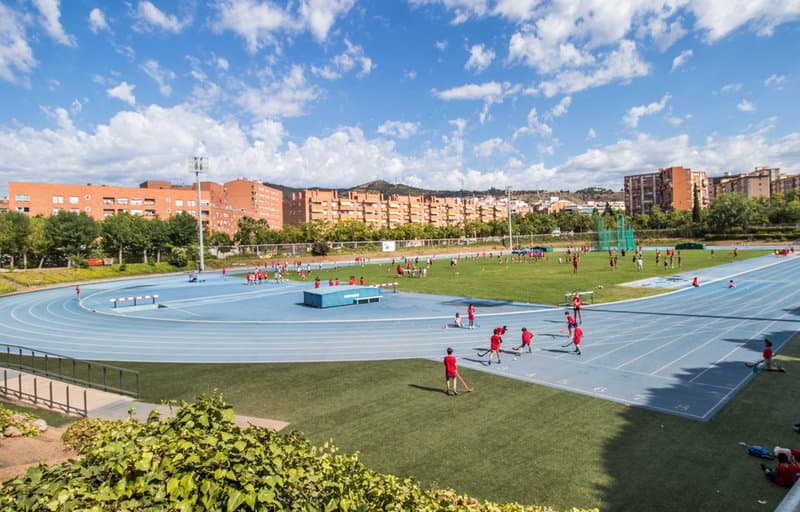
Barcelona’s outdoor fitness scene is learning the hard way that summer heat changes everything. Bootcamp operators, run coaches, and group-training organizers are no longer treating hot days as a simple inconvenience; they are redesigning class times, route choices, hydration rules, and even the shape of the workout itself so sessions stay viable when temperatures climb.
The biggest shift is obvious on the ground: more classes are moving earlier in the morning or later in the evening, when the heat eases and attendance is easier for people juggling work and family schedules. That timing change matters because it is not just about comfort. It is about keeping beach workouts, park circuits, and seafront conditioning attractive without asking members to push through unsafe conditions.
What members will notice first
The first thing regulars will feel is a shorter, smarter session. Operators are using shorter blocks, more recovery intervals, and route planning that respects shade instead of chasing the hardest possible effort. In practice, that means less standing in exposed plazas, fewer long, punishing intervals under direct sun, and more attention to pacing so the class stays challenging without drifting into the danger zone.
Hydration is becoming part of the class design, not an afterthought. Coaches are putting clearer rules around water breaks and recovery windows because the goal is to keep the same outdoor format alive while reducing heat stress. For members, that usually means more interruptions built into the session, more reminders to drink before they feel thirsty, and less tolerance for the old culture of “just push through it.”
The tone of communication is changing too. The most credible operators are telling members before they arrive when a class has been modified, delayed, moved, or canceled. That sounds basic, but it is a real differentiator in a market where people still want the outdoor experience and also expect trainers to show they understand the conditions they are asking clients to train in.
The serious operators are changing the workout, not just the clock
The difference between a serious heat protocol and a superficial schedule tweak is easy to spot. One version just shifts a noon class to 8 p.m. and calls it adaptation. The better version changes the class architecture, the route, the intensity target, and the fallback plan if the heat stays stubbornly high.
Some trainers are using summer to reposition the work itself. Instead of selling maximal-effort sessions as the default, they are emphasizing mobility, core stability, and conditioning as the smarter fit for beginners and older clients during peak heat. That is a more honest pitch, because it treats summer as a season for maintaining consistency and quality rather than proving toughness at any cost.
The strongest setups also work as hybrids. They can move some sessions indoors when conditions deteriorate, keep signature outdoor classes when the weather cooperates, and explain the reason for each adjustment ahead of time. That flexibility protects the brand as much as the athletes, because it keeps the business from being trapped by a single format when the forecast turns hostile.
Why heat adaptation is now a business issue
There is a commercial side to all this that fitness operators can’t ignore. When classes become uncomfortable, attendance drops. Once attendance drops, refund requests rise, and instructors spend more time justifying cancellations or modifications to unhappy members. Heat, in other words, is not just a safety variable. It is a revenue and retention problem.
Barcelona’s trainers are operating in a city where outdoor training is part of the local identity. The climate and coastline are part of the appeal, and that is exactly why clients still want to train outside even as conditions get harsher. But the demand is increasingly tied to trust. Members want to see visible adaptation from coaches, not a shrug and a stopwatch.
That is why clear communication has become part of the product. The clubs and coaches that handle summer well are the ones that set expectations early, explain why a route has changed, and make the modified class feel intentional rather than apologetic. In a city built around outdoor life, that kind of clarity is now part of what people are paying for.
The public-health backdrop is pushing the sector to mature
Barcelona’s municipal Heat Plan 2025-2035 makes the wider context impossible to ignore. The city says it is preparing for more frequent, intense, and persistent heat, and the plan includes measures to reduce the urban heat island effect, improve temperatures in buildings, protect the most vulnerable, and improve emergency protocols. The city also says the roadmap was developed through a participatory process and informed by international experience.
That matters for fitness operators because the city itself is framing heat as a long-term structural issue. Barcelona has also said heat does not affect everyone equally and can deepen pre-existing social, geographic, and health inequalities. For outdoor trainers, that means the safest class design is not just about comfort, it is about recognizing that different clients arrive with different levels of risk.
Medical guidance backs up the caution. Clinic Barcelona says exercising in high temperatures can lead to dehydration, cramps, heat exhaustion, and, in severe cases, heatstroke. That is exactly why smart trainers are changing pace, recovery structure, and class duration instead of pretending that the same summer workout works in every condition.
Barcelona’s heat history says this is not a one-off problem
The pressure on outdoor fitness is also easier to understand when you look at the city’s climate record. Meteocat maintains Barcelona climatic temperature series dating back to 1780, and reporting in 2025 said the city recorded its hottest June since records began in 1914 during an early-summer European heat wave. That history suggests the current shift is not a fleeting reaction to a bad week.
For Barcelona’s fitness sector, the strategic lesson is straightforward: heat adaptation has become an operating issue. The businesses that will last are the ones that treat temperature as a design variable, not a temporary nuisance. They will protect attendance, reduce cancellations, and keep beach-and-park training part of the city’s year-round culture by making safety and flexibility part of the coaching model itself.
This article was produced by Prism’s automated news system from verified source data, official records, and press releases, then run through automated quality and moderation checks before publishing. The system is built and supervised by the people who set the standards it runs under. Read our full AI policy.
Did this article answer your question?