Barcelona turns Tour de France Grand Départ into citywide festival
Barcelona is turning the Grand Départ into a free, citywide fitness festival, with 50-plus activities, street shows and music hubs pulling residents into the ride.

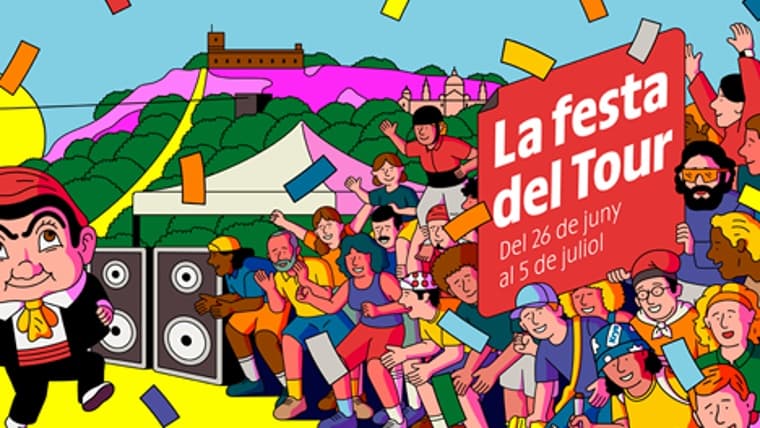
Barcelona is treating the Tour de France Grand Départ like a citywide fitness takeover, not a finish-line spectacle. From June 26 to July 5, 2026, the Festa del Tour spreads more than 50 free activities across all ten districts, so the race is stitched into daily life instead of being confined to the course.
A Grand Départ that reaches every district
The smartest part of the program is its geography. Rather than building a fan zone only near the racing route, Barcelona has pushed concerts, family activities, traveling shows, traditional culture, exhibitions and participatory events into the city’s ten districts. That means residents do not need to be hard-core cycling fans, or even near the main race corridor, to take part in the momentum around the Tour.
The format matters for movement culture. When a global sporting event shows up in public spaces, neighborhoods and commercial areas, it changes how people use those places for a week and then again afterward. Barcelona is using the Grand Départ to make cycling feel like part of the city’s normal rhythm, not an elite sport that flashes through and disappears.
Where residents can plug in
The festival is built for people who want to do more than watch. The itinerary is deliberately spread around the city, which makes it easier to join a concert after work, bring children to a family activity, or stumble into an exhibition while already out walking or riding. That loose, neighborhood-level format is exactly what turns passive spectators into participants: the barrier to entry is low, and the activities are free.
The biggest practical takeaway for locals is that this is a citywide invitation, not a ticketed sporting bubble. If you live outside the race route, you still have a way in because the program is distributed through Barcelona’s district network. If you already train on a bike, it adds a social layer to your routine; if you do not, it gives you a first contact with cycling culture without the intimidation of a race-day crowd.
Le Tour on Tour brings the spectacle to the street
One of the clearest symbols of that approach is Le Tour on Tour, the traveling show float that moves through the neighborhoods. It is more than a branded prop. A mobile float gives the festival a visible, rolling presence that can meet people where they are, which is exactly how you make a race feel like a civic event instead of a television package.
For residents, that kind of street theater matters because it creates an easy point of entry. You do not have to know the start list, own a bike or plan a whole day around the Grand Départ to get involved. You can simply encounter the float, stop for a few minutes and then follow the energy into the nearest activity. That is how a one-off spectacle starts to behave like a public-health nudge.
Barcelona en ruta and the city as a cycling canvas
Barcelona en ruta pushes the idea further by bringing artistic and cultural interventions into the districts. The message is clear: cycling is being framed as a civic identity, not just a professional competition. That framing is important in a city where urban movement already mixes walking, riding and public-space culture, because it gives everyday mobility the same visual language as the race.
The effect is especially strong for people who already think of Barcelona as a city to move through on foot or by bike. Barcelona en ruta folds the Tour into that habit, making the race feel adjacent to daily fitness rather than separate from it. In practical terms, it is the kind of activation that can increase casual riding, motivate neighborhood errands by bike and put more people in motion without asking them to become athletes overnight.
Music hubs turn the Grand Départ into a place to linger
The main music hubs at Plaça de la Catedral and Plaça Margarida Xirgu underline the festival side of the plan. Those are not locations you treat like a quick pass-through; they are gathering points where people can arrive early, stay longer and move between music, street activity and the broader Tour atmosphere. The choice of public plazas also reinforces the idea that this is meant to be experienced on foot, by bike or as part of a slower day in the city.
For a Barcelona resident, that changes the shape of the event. Instead of the Tour being something you consume from the curb for a few seconds, the plazas create a reason to make an outing of it. That is a better fit for families, mixed-age groups and anyone who wants the social side of movement without committing to a formal workout.
What it means for Barcelona’s fitness scene
For fitness operators, the Festa del Tour is the kind of citywide activation that can spill into real demand. Bike-friendly training, recovery services, mobility work and summer outdoor classes all have a natural opening when the city spends more than a week talking about cycling, public movement and outdoor participation. The event gives studios and coaches a cultural hook that feels current rather than promotional.
The bigger commercial story is that Barcelona is linking sports tourism, urban branding and physical activity participation in one package. By making the Tour visible in everyday city life, the city is trying to convert curiosity into movement, and movement into habit. That is the useful part of the Festa del Tour: it does not just celebrate elite racing, it broadens the city’s active-lifestyle market by making the Grand Départ feel open, local and easy to join.
This article was produced by Prism’s automated news system from verified source data, official records, and press releases, then run through automated quality and moderation checks before publishing. The system is built and supervised by the people who set the standards it runs under. Read our full AI policy.
Did this article answer your question?