Barcelona’s April event calendar shows a booming experience-driven leisure economy
Barcelona’s spring calendar is crowding out routine gym time, as festivals, social nights and outdoor movement turn leisure into the city’s real competition.
Barcelona’s spring calendar is the real rival for workout time
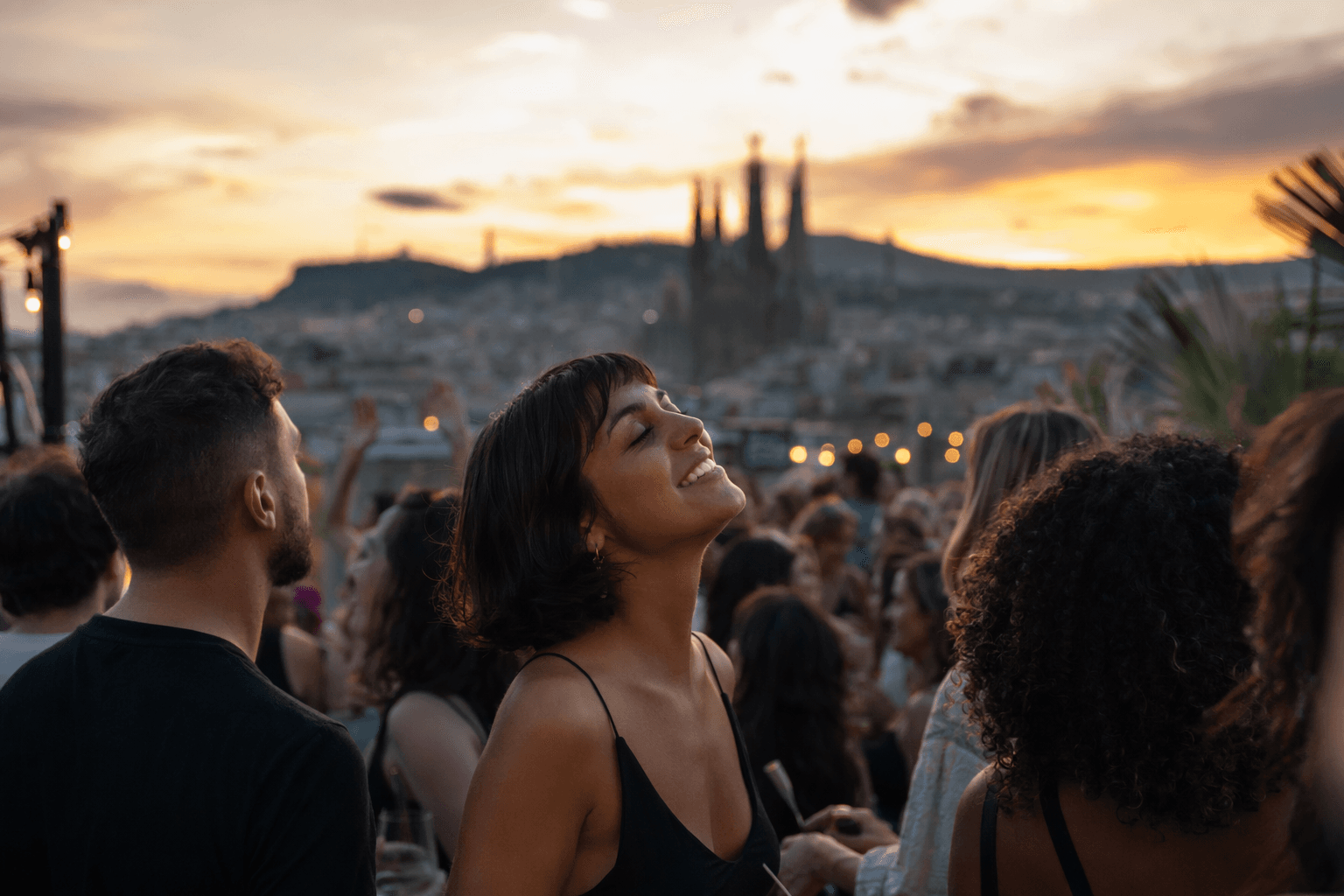
Barcelona’s April agenda makes one thing clear: the city is not just offering things to do, it is staging a competition for attention. Spring is visibly underway, and the calendar is packed with concerts, festivals, cinema, family activities and other plans that pull people into the streets, into venues and, often, away from routine fitness appointments.
That matters because the city’s leisure economy is no longer split neatly between “going out” and “working out.” In Barcelona, the two are increasingly intertwined. Residents are choosing movement as part of a wider social pattern, which means a walk, a beach session, a group class or a gym visit now has to compete with the rest of the city’s experience-driven rhythm.
Feria de Abril is the biggest attention magnet on the calendar
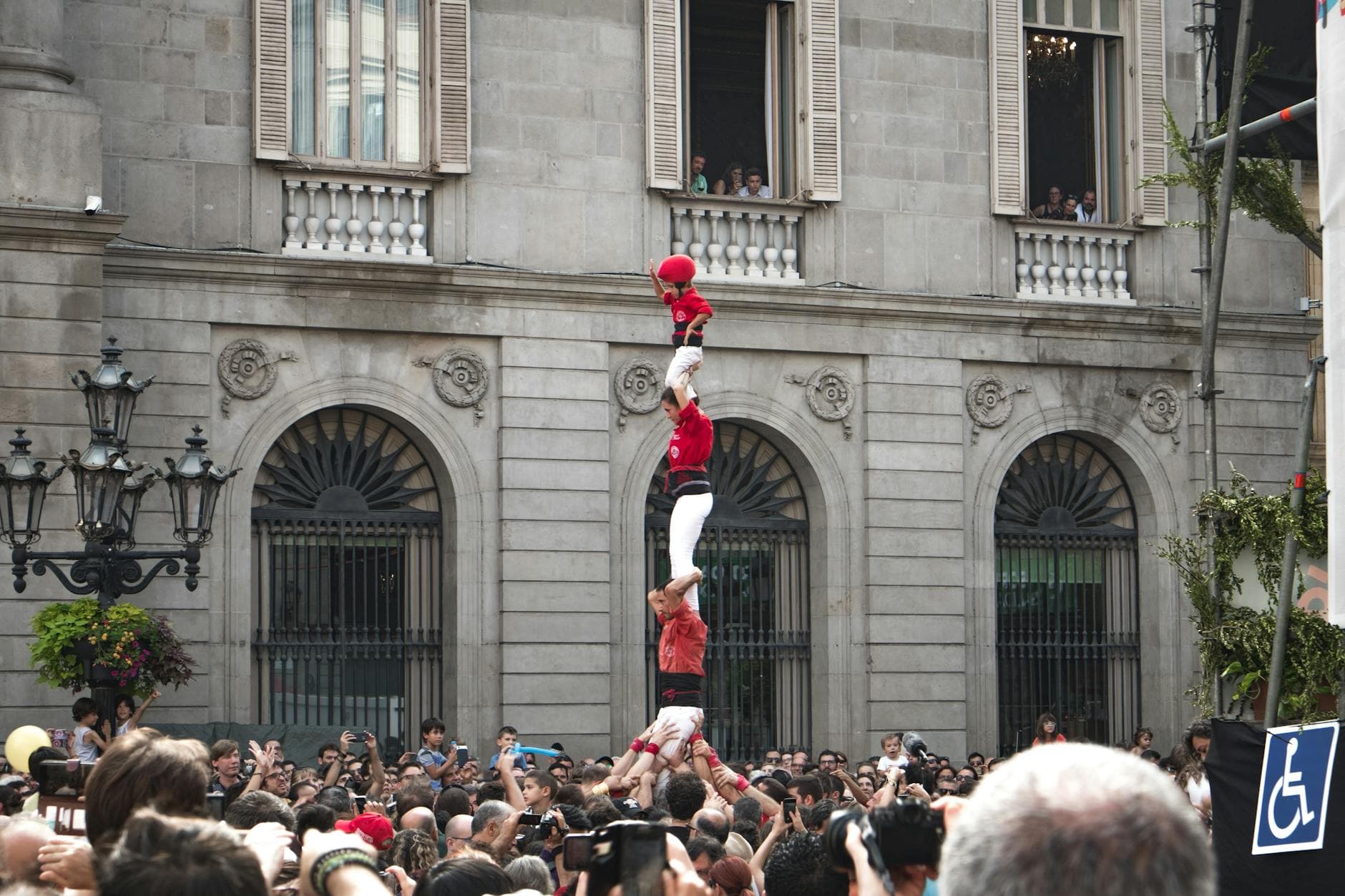
The clearest example is Feria de Abril 2026, which runs from April 24 to May 3 at the Parc del Fòrum and stretches into Sant Adrià de Besòs. This is the fair’s 53rd edition in Barcelona, organized by the Federación de Entidades Culturales Andaluzas en Cataluña, and it fills about 87,000 square meters with more than 100 casetas and 125 attractions.
For fitness operators, that scale is the point. A nine-day event with food, live shows and family appeal does not just create a busy weekend, it changes the tempo of the whole month. The fair’s free food tie-ins, including 14,000 servings of salmorejo on April 24 and another 14,000 servings of gazpacho on May 1, show how deeply these events are designed to keep people on site and engaged for hours at a time.
That kind of draw can displace regular training patterns in a very practical way. Even people who keep up with classes or gym sessions may shift their schedules around the fair, replacing one workout with a long social outing or pairing activity with eating, strolling and spectating instead of a standard exercise visit.
The city’s leisure model is built around movement, not just membership
Barcelona’s advantage is that the city itself functions like part of the fitness product. The city is naturally walkable in ways that encourage residents to treat movement as part of everyday life, not as a separate errand. Research on the Superblock model supports that pattern, showing how urban design can promote walking and vigorous physical activity.
The local appetite for sport also runs unusually high. Barcelona’s 2022 Survey of Sports Habits found the city’s pursuit of sport was 17.4 points above the European average, a strong signal that active lifestyles have a broad base here. That helps explain why running, outdoor training, group classes and hybrid social-fitness formats have such traction in the city.
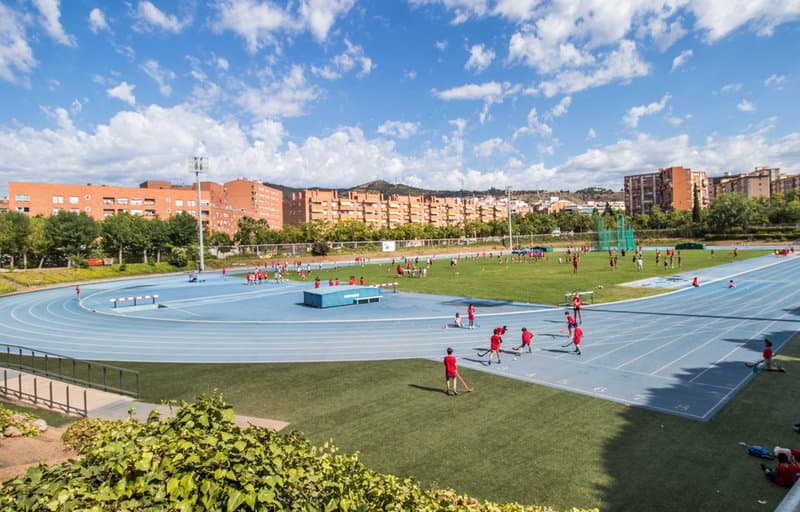
April’s weather strengthens that pull. With average daytime highs around 17°C and relatively modest rainfall, the month encourages outdoor choices over indoor-only routines. On a mild day, the easiest decision is often not a gym visit but a route through the neighborhood, a beach walk, an outdoor class or a longer social movement plan that ends somewhere interesting.
Which leisure formats pull people away, and which can ride the wave
The strongest crowd-out formats are the ones that absorb time and mood. Large festivals, the Feria de Abril, long-running social nights like Churros con Chocolate and the broader spread of concerts and family events all compete with the fixed-hour structure that traditional fitness businesses rely on. When the city’s schedule feels full, the consumer decision is less about whether to be active and more about where activity fits into a bigger social day.
That is exactly where gym operators, studios and boutique fitness brands can adapt. They do not need to fight the spring calendar so much as build with it, using seasonal outdoor offerings that match how people already want to move. Outdoor bootcamps, run clubs, mobility sessions in public spaces, beach-conditioning classes and short recovery offerings after festival-heavy weekends are natural fits.
The best opportunities are the ones that take the city’s own movement culture seriously. In neighborhoods such as Sant Martí and El Poble-sec, where social plans and active routines often overlap, operators can lean into formats that feel like part of the day rather than a detour from it. That means fewer isolated, purely transactional visits and more programming that connects exercise to the rest of Barcelona’s leisure behavior.
Barcelona’s official messaging confirms a year-round experience economy
This is not just a spring story. Barcelona City Council is actively marketing 2026 as a year packed with concerts, exhibitions, festivals and sporting events, which shows how structurally event-heavy the city has become. The tourism department also released an infographic of March 2026 tourism activity as spring got underway, a reminder that officials are watching demand patterns closely as the leisure season builds.
The message to operators is straightforward: Barcelona is selling atmosphere as much as entertainment. The city’s calendar, its weather, its urban design and its unusually active population all push people toward movement that happens outside the walls of a traditional gym. In that environment, the businesses that win are the ones that understand that the battle for attention is also the battle for how people spend their time in motion.
This article was produced by Prism’s automated news system from verified source data, official records, and press releases, then run through automated quality and moderation checks before publishing. The system is built and supervised by the people who set the standards it runs under. Read our full AI policy.
Did this article answer your question?