University of Barcelona study finds drug combo cuts liver fat in animal models
Barcelona researchers found a drug pair cut liver fat in animal models of MASLD, a condition tied to visceral fat, inactivity and cardiovascular risk.

Metabolic dysfunction-associated steatotic liver disease sits in the same risk cluster as excess visceral fat, poor recovery and low activity, so a Barcelona study showing a drug pair can sharply reduce liver fat in animals is drawing close attention well beyond hepatology. The University of Barcelona team reported that pemafibrate and telmisartan lowered liver fat accumulation in models of MASLD, a condition that affects about one in three adults worldwide and can progress to serious liver injury while also raising cardiovascular risk.
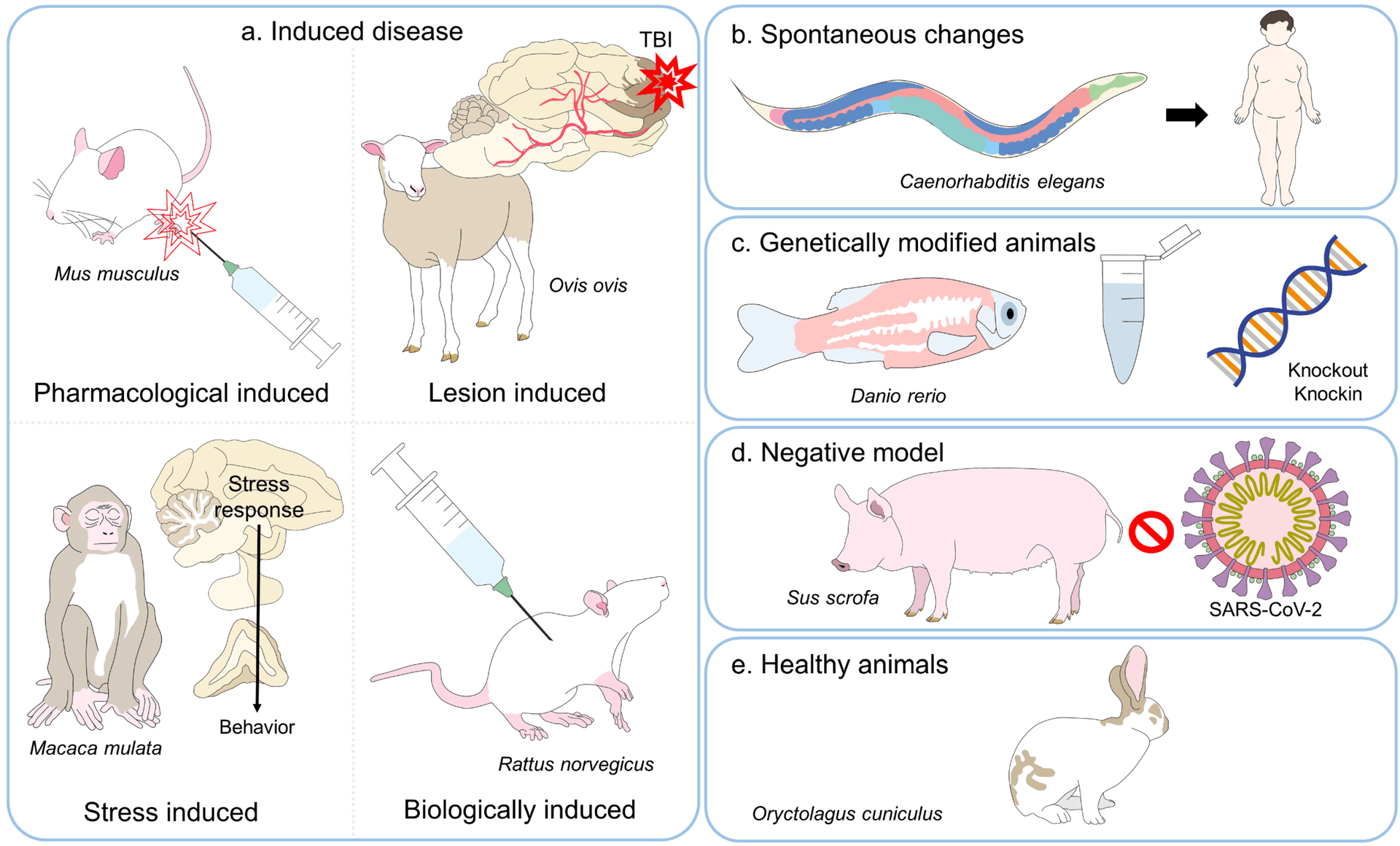
The study was led by Marta Alegret at the University of Barcelona’s Faculty of Pharmacy and Food Sciences, the Institute of Biomedicine of the University of Barcelona and CIBEROBN. It brought in researchers from the Santa Creu i Sant Pau Hospital Research Institute, the Hospital Clínic de Barcelona, CIBERCV and Uppsala University, and was published in Pharmacological Research on April 22, 2026. The work used rats and zebrafish fed a high-fat, high-fructose diet to induce MASLD.

What made the result stand out was the dosing. The researchers found that lower doses of pemafibrate and telmisartan together performed as well as higher doses of each drug used separately, a result that points toward a possible route to stronger efficacy with less drug exposure if human studies follow the same pattern. The team also reported that the combination may help reduce cardiovascular complications linked to the disease, not just liver fat itself.
The appeal of the approach is straightforward: drug repurposing. Pemafibrate is a lipid-lowering drug and telmisartan is an antihypertensive, both already known in human medicine. The researchers said that strategy matters because MASLD has very limited therapeutic options and many candidate compounds have failed in clinical trials, often because of safety concerns. That makes existing medicines, especially for early-stage cases that are usually asymptomatic, attractive candidates for combination testing.
For the fitness and wellness sector, the practical reading is more restrained. The study does not change the current front line of care, which still centers on early identification, fibrosis risk assessment and lifestyle measures such as weight loss, diet and exercise in the 2024 European guidance from EASL, EASD and EASO. It does, however, reinforce why body composition, cardiometabolic markers and training consistency keep showing up in the same conversation. Barcelona’s latest contribution is a reminder that liver health is not a niche issue, but part of the broader preventive-health business that sits between the gym floor, the nutrition consult and the doctor’s office.
This article was produced by Prism’s automated news system from verified source data, official records, and press releases, then run through automated quality and moderation checks before publishing. The system is built and supervised by the people who set the standards it runs under. Read our full AI policy.
Did this article answer your question?