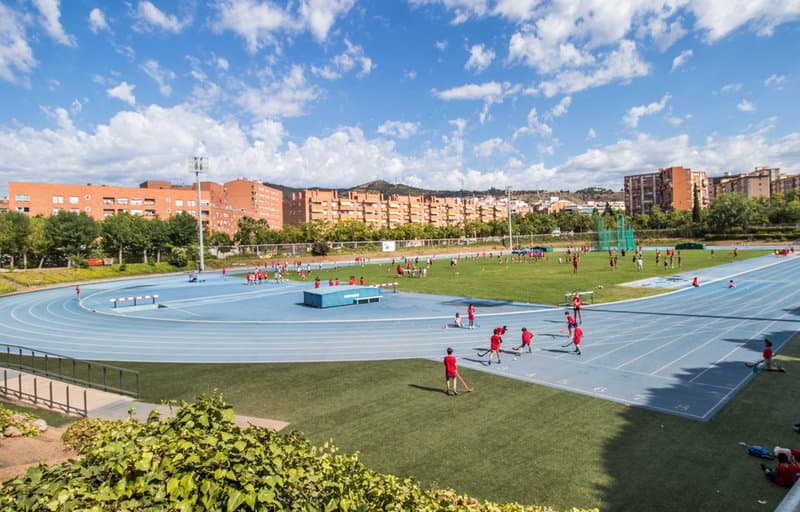
Barcelona's Eixample emerges as the city’s most crowded gym district
Eixample packs more than 40 gyms into Barcelona’s biggest district, and the mix shows a market split between budget access, coaching, and boutique specialization.
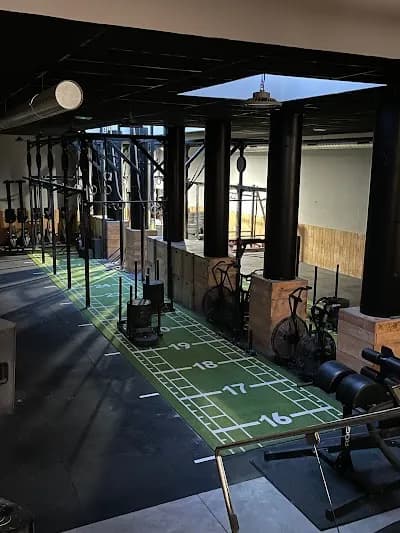
Eixample is where Barcelona’s fitness market looks least generic. With roughly 262,000 to 269,000 residents and more than 40 gym establishments, the district has enough density to support almost every training format at once, from 24/7 chains to CrossFit boxes and multilingual personal-training studios. That is the real story here: Eixample is not dominated by one winning model, but by a crowded, segmented ecosystem that matches how people actually train, commute, and spend.
A district built for overlap
Barcelona’s own 2024 district profile puts Eixample at about 269,000 residents, or 16.2% of the city’s population. The same municipal material says it has the highest aging index in Barcelona, with residents aged 65 and over making up 21.73% of the district, while registered unemployment rose 1.2% in 2024 to 8,632 people. Those numbers matter because they explain why the gym scene here is so broad: Eixample has young professionals, older residents, and cost-conscious members living in the same catchment.
That mix pushes operators to compete on more than price alone. A gym in Eixample has to work as a location play, a format play, and often a lifestyle play too. Some members want a machine floor they can hit before work, some want coached classes and a community feel, and some want a low-cost membership that simply gets them in the door without fuss.
What the gym map says about demand
The district’s list of clubs reads like a market segmentation chart. CrossFit Diagonal and CrossFit Eixample serve people who want structured, coach-led work and a harder edge than a standard health club. SNAP Fitness 24/7 speaks to members who train outside normal hours, while low-cost names such as Vitaliberty and chains like Basic-Fit and McFIT capture the budget-sensitive side of the market.
Then there are the specialty and boutique layers. Kettlebells Barcelona points to a narrower training audience, while Attika Fitness adds multilingual personal training to the mix, a detail that matters in a district with enough international traffic to support language-friendly service. The presence of multiple DiR, VivaGym, Basic-Fit, McFIT, and boutique-style clubs shows that Eixample is not one market but several stacked on top of each other.
How the major chains position themselves
The biggest operators use Eixample to sell different versions of convenience. DiR promotes its Eixample club as a 1,300 m² gym in central Barcelona, which signals a more spacious, full-service offer than a bare-bones budget club. Basic-Fit leans hard on access, advertising its Barcelona Gran Via de les Corts Catalanes site as open 24/7 at Gran Via de les Corts Catalanes 593, a straightforward proposition for members who care more about schedule flexibility than boutique touches.

VivaGym takes a network approach. It says it has more than 30 gyms in Barcelona and specifically markets Eixample locations such as Carrer del Bruc and Carrer de Londres, which tells you how valuable the district is for repeat visits and neighborhood convenience. McFIT’s price-led, access-oriented positioning fits the same logic: in a district this dense, the winning formula is often not novelty but a clear promise that matches the member profile.
Where the district’s urban form helps the business
Eixample’s gym concentration is not accidental. Barcelona City Council describes the district as a Cerdà-plan grid shaped by repeated later interventions, and that urban layout is exactly what fitness operators want: wide streets, mixed-use blocks, transit access, and enough footfall from homes and workplaces to keep clubs busy through the day. In practice, that means gym locations on or near major corridors can pull from overlapping micro-markets instead of relying on one neighborhood alone.
That density also creates room for specialization. A CrossFit box can survive next to a low-cost chain because the district is large and varied enough to feed both. The result is a local market where convenience, brand fit, and opening hours often matter as much as the training model itself.

Public investment keeps the ecosystem active
The private market is only half the picture. Barcelona launched a restricted project competition in 2025 for the integral rehabilitation of Piscina Sant Jordi at Carrer de París 114 in Nova Esquerra de l’Eixample, which shows that the city continues to treat the district as a serious sports corridor. That matters because municipal facilities and commercial gyms are not separate worlds here; they sit inside the same fitness ecosystem and influence one another.
For members, that means more choice across price points and training styles. For operators, it means Eixample is not just a dense address book, but a demanding test of whether a club can fit the neighborhood’s rhythm. The district rewards businesses that know exactly who they serve, and it reveals a Barcelona fitness market that is increasingly local, segmented, and unforgiving to generic offers.
This article was produced by Prism’s automated news system from verified source data, official records, and press releases, then run through automated quality and moderation checks before publishing. The system is built and supervised by the people who set the standards it runs under. Read our full AI policy.
Did this article answer your question?