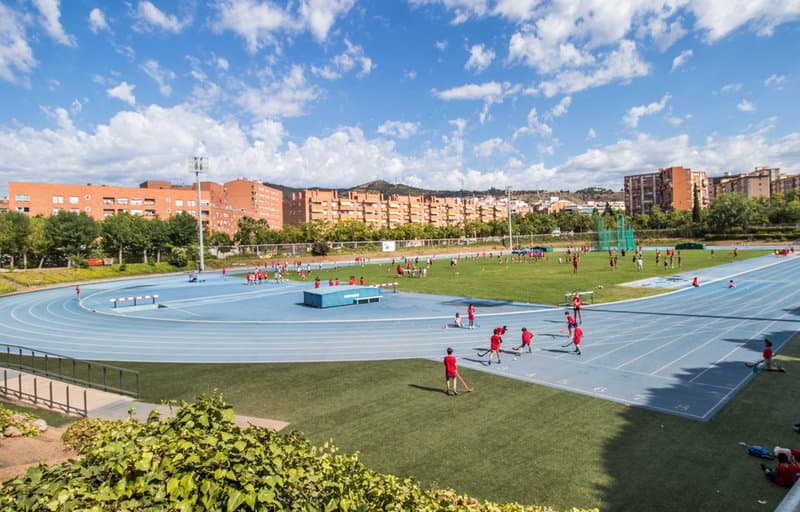
Barcelona's public sports network powers citywide fitness access
Barcelona’s fitness edge is public, not private: 1,253 listed facilities, 41 municipal sports centres, and open data that lets you choose by neighborhood and sport.
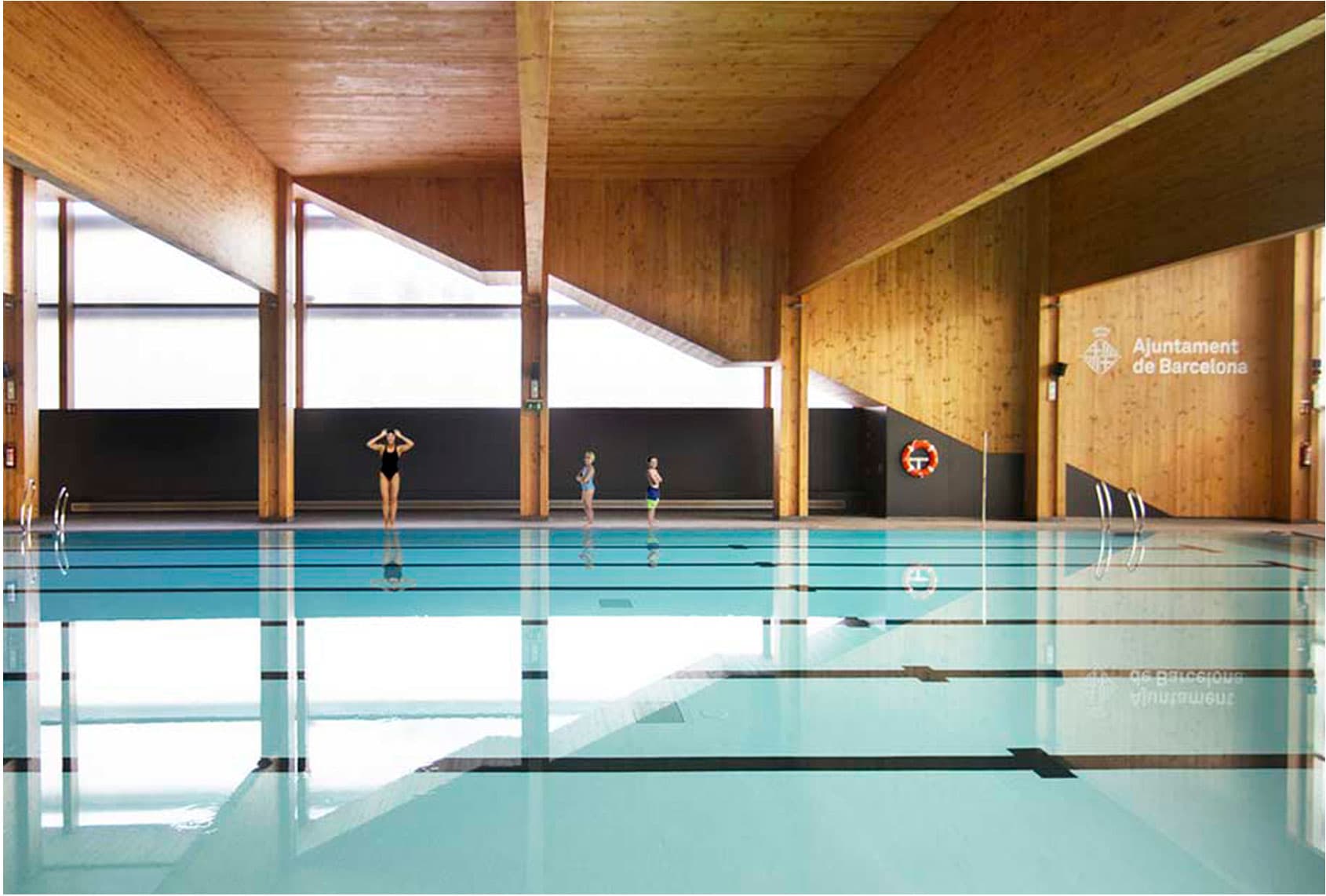
Barcelona’s fitness network works because it is built like public infrastructure, not like a private club scene. The city’s sports pages frame exercise as something within reach of residents across the map, and that is not just marketing language. With 1,253 facilities in the official directory, 41 municipal sports centres, and a citywide system that includes pools, courts, routes, and training spaces, Barcelona turns access into an urban service instead of a luxury product.
The municipal backbone
The first thing to understand is scale. Barcelona’s sports-facilities directory returns 1,253 results, and the city says it has 41 municipal sports centres, or CEMs. Elsewhere on the official site, the city describes “over a hundred” municipal sports centres spread throughout Barcelona, each with a wide range of offers and prices. Taken together, those figures show a network built to absorb different kinds of use: lap swimming, neighborhood fitness, team sports, and structured training all sit inside the same public system.
That matters because the city does not treat sport as a single type of consumption. The Barcelona Sports Institute says its policy is designed to cover the city’s needs and demands, and the official sports pages present the network as a way to make sport and physical activity accessible to residents citywide. In practice, that means the public system is not a side option for people who cannot afford a gym membership. It is the baseline infrastructure that makes training possible in different parts of the city.
Why the data layer is the real advantage
Barcelona’s strongest tool is not just the number of facilities, but the way it publishes them. Open Data BCN says the city catalogue has 555 datasets overall, and the sports theme alone includes 8 datasets. Those cover outdoor and covered swimming pools, exercise spaces, walking and running circuits, team sports, individual sports, sports facilities, sport-event agendas, and the list of sports equipment in the city.
The sports-facilities dataset is especially useful because it is geolocated, available in CSV and JSON, updated weekly, and was first published on 22 January 2020. That gives you more than a static directory. It gives you a planning tool that can be filtered by neighborhood, activity type, and facility format before you spend money or time on a commute. For anyone trying to compare a municipal pool in one district with a running circuit or a team-sport venue in another, that weekly update cadence is the difference between a brochure and a system you can actually use.
This is where Barcelona gets unusually practical for everyday training decisions. The city’s public map makes it easier to decide whether you want a nearby CEM, a specialized facility, or an outdoor route that fits your schedule. It also helps newcomers and visitors avoid the usual guesswork that comes with urban fitness planning: you can see what exists, where it sits, and what kind of activity it supports before you show up.
How the city governs the system
Barcelona also gives its sports network a governance structure, which is easy to miss if you only look at facilities. The Barcelona Municipal Sports Council is described by the city as a consultative and participatory body where stakeholders from Barcelona’s sports sector meet and take part. The Barcelona Sports Office, meanwhile, is a City Council service through which the Barcelona Sports Institute supports sports stakeholders so they can consolidate growth and projects.
That matters because public fitness systems fail when they become one-way services. Barcelona has built in a place for feedback, coordination, and project support, which is how a city keeps a large network from fragmenting into disconnected buildings. Instead of treating municipal sports as isolated venues, the city has a policy layer, a consultative layer, and an operational support layer. That is the kind of structure other cities usually talk about after they have already lost control of pricing, access, or neighborhood coverage.

The Olympic legacy still shapes the city
Barcelona’s modern sports identity is tied to the 1992 Olympic Games, and the city archive makes that connection explicit. The Games were inaugurated on 25 July 1992, and the archive describes them as producing a “great transformation” of the city. The Barcelona 1992 Olympic Organising Committee’s documentation was permanently deposited in the archive in 1993.
That history explains why the city treats sports facilities as part of urban planning rather than as a retail category. The Olympic era helped normalize the idea that sport could be a civic asset, with public investment shaping how neighborhoods are connected and what kinds of facilities they can support. Barcelona’s current network did not appear out of nowhere. It sits inside a long-running model where sports infrastructure is part of the city’s identity, not an afterthought.
Climate pressure is now part of access
The next pressure point is water. The Barcelona Sports Institute says drought has a direct impact on municipal sports facilities and that it has an emergency protocol for drought conditions. In March 2024, the city introduced water-saving measures in municipal sports facilities, including a 25% reduction in the number of showers available in changing rooms and limits on shower use for teams on weekdays.
That is not a cosmetic policy detail. It changes the user experience of the public sports system, especially for swimmers, teams, and anyone relying on changing-room infrastructure after training. It also shows why fitness access in Barcelona now depends on more than geography and pricing. If the city cannot keep facilities operating under climate stress, access becomes a moving target. The fact that the system already has an emergency protocol is a sign that climate resilience is now part of sports planning.
Where the network is still growing
Barcelona is still adding to the map. On 16 June 2026, the city approved a new Municipal Sports Centre in Poble-sec, backed by a 3 million euro investment and expected to open in spring 2027. The planned centre will include two multi-sport courts, which is exactly the kind of flexible layout that makes municipal facilities useful to more than one user group.
That new build reinforces the basic logic of Barcelona’s model. The city is not relying on private gyms to carry the load, and it is not treating fitness as a niche amenity. It is expanding public capacity in a neighborhood setting, using the same mix of planning, data, and municipal investment that already underpins the rest of the network. In Barcelona, the real story is not whether people can find a place to train. It is how the city keeps making that answer yes.
This article was produced by Prism’s automated news system from verified source data, official records, and press releases, then run through automated quality and moderation checks before publishing. The system is built and supervised by the people who set the standards it runs under. Read our full AI policy.
Did this article answer your question?