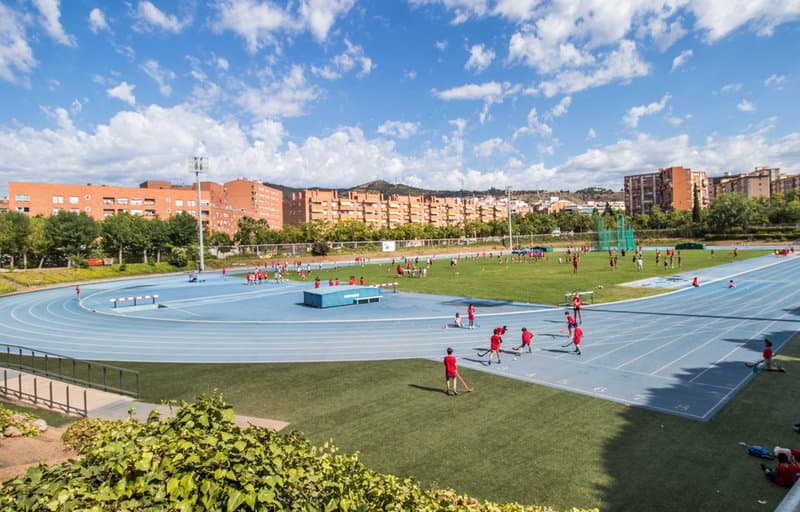
Barcelona’s running culture blends fitness, retail and community events
Barcelona used World Running Day to make running feel open, social and useful, with three formats that welcomed beginners, regulars and training-minded athletes.
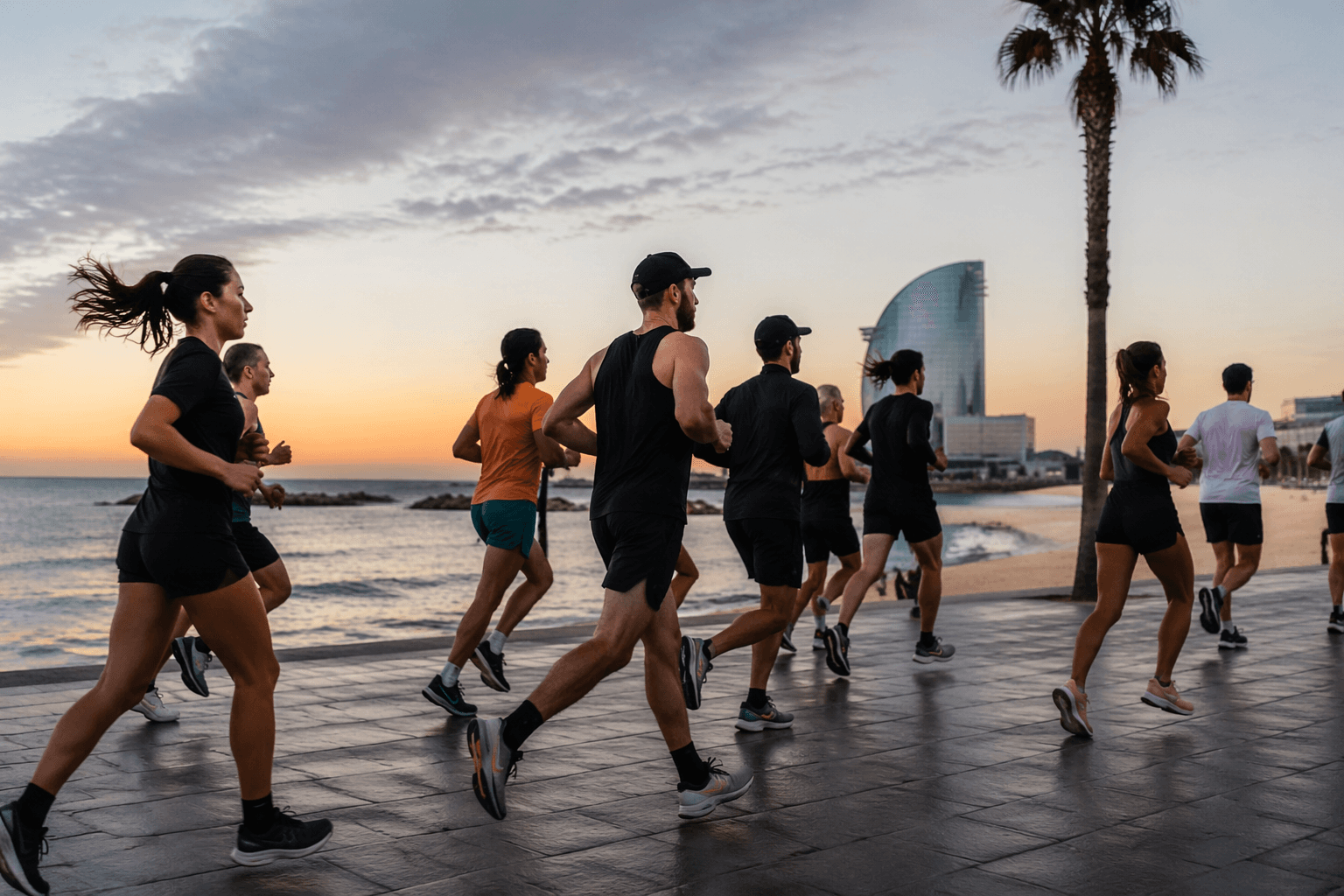
Barcelona turned World Running Day into something bigger than a morning run. With an easy 5K, a 6K bootcamp route, and a retail-and-wellness activation built around recovery and community, the city showed how running now works as public fitness infrastructure, not just a race-day habit.
A city that has made room for more than one kind of runner
The smartest thing Barcelona did on June 3, 2026, was avoid treating running like a single audience. A beginner can step into an easy 5-kilometer run, a social runner can show up for a route with food, drink and music built into the finish, and a more training-focused runner can pick the session with functional stops and a harder conditioning edge. That range matters because it lowers the friction that keeps people out of the sport in the first place.
It also says something about the city itself. Barcelona has become one of Europe’s major running cities, and its marathon and half marathon are among the continent’s most participative events. That kind of participation does not happen by accident. It comes from a culture that makes the sport visible in daily life, then wraps it with enough social energy, retail support and recovery touchpoints that people keep coming back.
The easiest entry point: a wellness-led running community moment
The most approachable of the World Running Day options centered on MiiN Cosmetics and BORN, whose flagship in central Barcelona became a place where running met lifestyle branding without feeling forced. The day included in-store activations, a photocall and a prize draw for a year of cosmetics, but the real draw was the way the event made the run feel accessible before anyone even laced up.
Before the evening easy run, participants could join a pre-run skincare moment, which sounds like a small detail until you think about the barrier it removes. A lot of people hesitate to join a run because they do not want the whole experience to feel like a test. By starting with a wellness ritual, then closing with healthy snacks, drinks and music, the event turned the run into a low-pressure social format rather than a performance check. The five-kilometer distance helped too, because 5K is the sweet spot where a lot of beginners can participate without feeling overwhelmed.
This is where Barcelona’s running culture gets commercially interesting. The city is no longer just supporting athletes. It is creating spaces where retail, beauty and fitness overlap in a way that feels natural to the audience already moving through central Barcelona.
The social runner’s lane: Midnight Runners and the case for movement plus community
Midnight Runners took a different angle, and that difference matters. Its 6K bootcamp run started near Barceloneta and added three functional-training stops along the route, which turned the session into something between a group run and a moving workout circuit. That format is built for people who want more than steady miles. They want coaching cues, a little variety, and the social energy that comes from doing hard work in a group.
The structure is practical as well as social. Functional stops break up the run, which can make the distance feel more manageable while still delivering a proper training stimulus. Adding music and a relaxed finish with food and drink pushes the event further into community territory, which is exactly why it works in a city like Barcelona. The run does not end when the pace drops. It becomes a place to stay, talk, recover and make the next outing feel inevitable.
For boutiques, trainers and recovery businesses, that model is worth paying attention to. A bootcamp-run hybrid creates room for apparel, nutrition, mobility work and post-session services, all without needing a full race weekend. It is a cleaner business proposition than one-off spectacle because it gives people a reason to return.
Why Barcelona’s running scene keeps growing beyond the stopwatch
What ties these World Running Day formats together is not the distance. It is the removal of barriers. Beginners get an easy entry through a 5K and a wellness-first atmosphere. Social runners get the kind of event where the run is only part of the experience. Training-focused athletes get a structured 6K with functional work that feels useful, not decorative.
That breadth is why Barcelona’s running culture looks durable. It is not dependent on elite performance or major race days alone. It is supported by a citywide ecosystem where a flagship retail space can become a runner-friendly gathering point, a group fitness brand can turn a route near Barceloneta into a moving workout, and community ingredients like music, food and recovery make people want to stay involved after the session ends.
For the active-living market, this is the real signal. Barcelona is not merely hosting runs. It is turning running into a platform that connects fitness, retail and social identity. That is a stronger model than selling speed alone, and it helps explain why the city keeps pulling in such large, committed participation across its biggest races and its most casual community sessions alike.
This article was produced by Prism’s automated news system from verified source data, official records, and press releases, then run through automated quality and moderation checks before publishing. The system is built and supervised by the people who set the standards it runs under. Read our full AI policy.
Did this article answer your question?