Barrefit Bcn blends boutique barre, teacher training, and community in Barcelona
Barrefit Bcn is selling more than barre classes: its English-language training pipeline and citywide footprint make it a community brand, not just a studio.
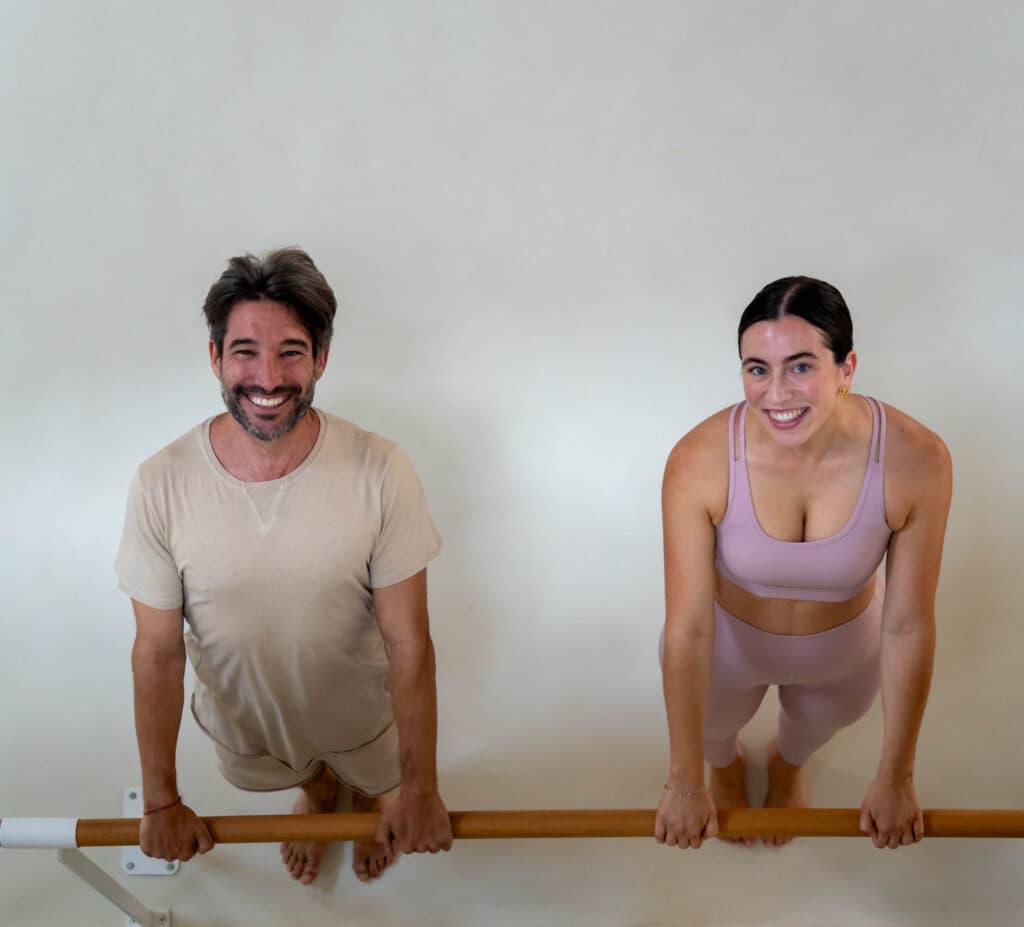
Barrefit Bcn is building a bigger business than a boutique timetable
Barrefit Bcn’s sharpest move in Barcelona is not just opening classes, but turning barre into a platform. The brand describes itself as a boutique barre studio with teacher training, and it frames movement as medicine, promising that barre can make people stronger and happier. That language matters: it positions the company less as a single-room fitness operation and more as a lifestyle brand that can recruit clients, instructors, and studio partners at the same time.
The company’s reach also extends well beyond a single neighborhood studio. Barrefit says its teacher training is available in English throughout Europe, which immediately broadens the audience in a city with a large international population. In Barcelona, that kind of language strategy is more than a convenience. It is a commercial advantage, because English opens the door to expats, visiting professionals, and instructors who want a certification they can use across borders.
The real story is talent creation, not only class sales
Barrefit’s Spanish-language pages make an even bolder claim: the brand says it is the first barre center in Spain and offers the first barre training in Spain. It also says more than 600 professionals have already been trained through its program. That combination of first-mover positioning and instructor development is what gives the brand its edge. Instead of depending only on recurring memberships, it can grow through education, certification, and a wider network of teachers who carry the method into new spaces.
The training is aimed at a broad mix of people: pilates instructors, yoga instructors, former dancers, personal trainers, and beginners entering the fitness and wellness field. That is a telling list. It suggests that Barrefit is not only trying to produce barre specialists, but also building a pipeline of coaches who already understand bodywork, cueing, and client care. In a crowded boutique-fitness market, that kind of professionalization can be more durable than chasing trend cycles.
English-language training gives the brand an exportable model
Barrefit’s English training page adds useful detail about how the system works. The course can be started online at any time, and students learn at their own pace. It is divided into two modules, and the package includes manuals and final certification. Those features make the program feel less like a one-off workshop and more like a structured product that can travel.
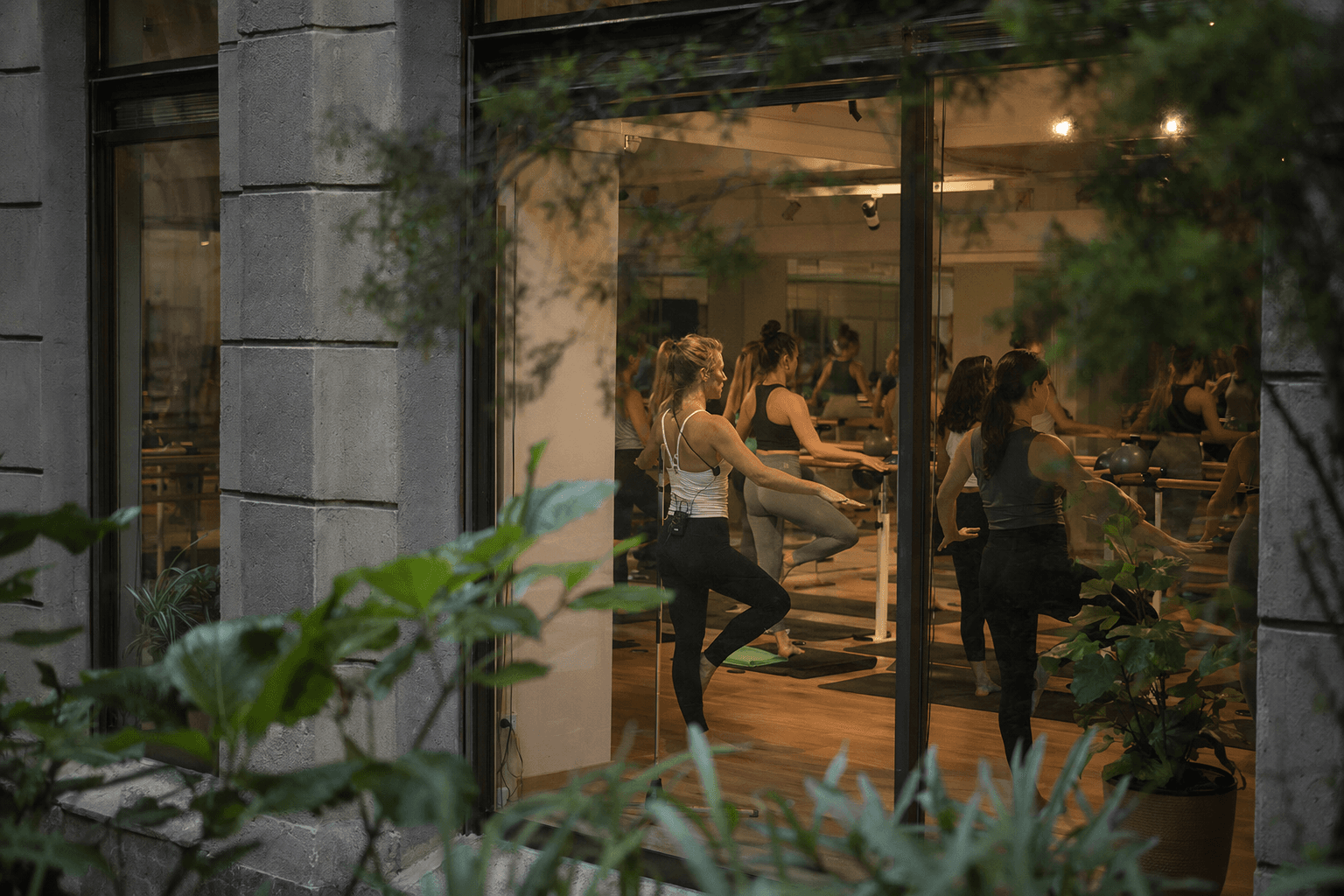
That structure is important in Barcelona because the city serves both local clients and a mobile international workforce. An English-language certification has obvious appeal for instructors who want to work across Europe, and for partner studios that need a recognizable training format. For Barrefit, the result is a business model that blends classes with credentials, creating both immediate revenue and longer-term loyalty.
A multi-neighborhood Barcelona footprint helps the brand stay visible
The studio’s current footprint is broader than a single address. Its contact page lists Consell de Cent 259 in Eixample and Perill 43 in Gràcia, while the schedule also shows classes in Poblenou. That spread gives Barrefit visibility across several of Barcelona’s most active neighborhoods, and it reinforces the sense that the brand is meant to feel citywide rather than tucked into one boutique corner.
This matters because neighborhood presence shapes fitness habits. A studio that reaches Eixample, Gràcia, and Poblenou can capture different audiences, commuting patterns, and lifestyles without changing the core product. The model is especially effective when the brand identity is consistent across locations, so the same barre language, teacher quality, and class style follow the client from one part of the city to another.
The timetable sells a wider wellness lifestyle
Barrefit’s class menu shows how deliberately it has expanded beyond one barre format. The current lineup includes Barre Flow, Barre Blast, Slow Burn, Floor Barre, Pilates Flow, Core Pilates, Soft Yoga, Spicy Vinyasa, and Power Flow Yoga. That mix is revealing. It keeps barre at the center, but it also pulls in yoga and pilates variations that make the schedule feel like a complete wellness system rather than a narrow workout class.
Pricing also supports that model. The schedule currently advertises a 16€ trial class and a 20€ single class, alongside packs and memberships that include 6-pack, 10-pack, 16-pack, morning monthly, full monthly, and 3-month options. That tiered structure gives the studio room to serve both casual visitors and regulars. It also fits a brand that wants to convert first-time trialers into recurring students and eventually into part of a larger community.
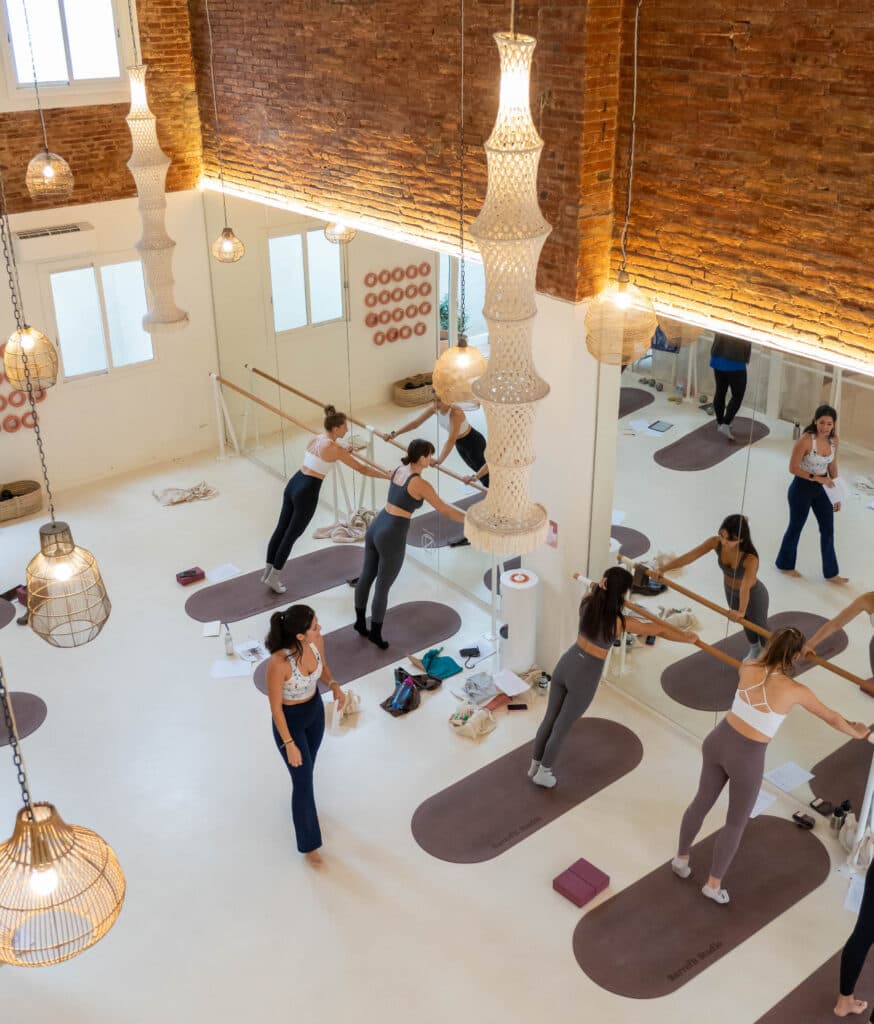
The wider category logic is easy to see in the way barre has been described elsewhere. In an El Periódico piece published on October 26, 2024, barre was presented as a discipline that fuses functional training, pilates, yoga, and ballet. Barrefit’s offering matches that description closely, and its polished, light-filled studio aesthetic fits the same premium positioning. The studio is not selling brute-force conditioning. It is selling a composed, modern, carefully branded form of movement.
Sidonie Geis gives the brand a founder story with credibility
The brand’s public identity is also shaped by its founder, Sidonie Geis. Secondary coverage identifies her as the person who left office work to teach barre after discovering that it helped her get fit and ease back pain. That is a strong origin story for a boutique fitness brand because it ties the method to lived experience rather than abstract trendiness.
Podcast descriptions add another layer, saying Geis moved from Canada to Spain and became a pioneer of barre in Barcelona during the pandemic. That detail helps explain why the company’s language feels so international and so education-driven. The brand reads like it was built by someone who understood both the need for a clear method and the opportunity to translate that method for a new market.
Expansion beyond Barcelona shows the model can travel
Barrefit’s move into Sant Cugat del Vallès shows that the concept is already being replicated outside the city proper. Barrefit Sant Cugat says it is the first franchise of Barrefit Barcelona, which is a meaningful milestone for any boutique brand. Franchising suggests that the core product has become repeatable enough to move beyond the founder’s immediate studio environment.
That is where Barrefit’s strategy becomes most interesting. The classes draw people in, but the training builds the network. The English-language curriculum makes the system easier to export, the neighborhood footprint keeps the brand visible, and the lifestyle framing gives the whole operation a clear identity. In Barcelona’s crowded boutique-fitness scene, Barrefit stands out because it is not just teaching barre. It is manufacturing the instructors, the language, and the community that let barre grow into something bigger.
This article was produced by Prism’s automated news system from verified source data, official records, and press releases, then run through automated quality and moderation checks before publishing. The system is built and supervised by the people who set the standards it runs under. Read our full AI policy.
Did this article answer your question?