Inspira Fitness taps Barcelona's growing boutique gym demand for adults 35-60
Inspira Fitness is betting that Barcelona adults will pay for coaching, not just floor space. Its low-capacity, no-commitment model speaks to people tired of crowded gyms.
A boutique gym that says no to the wrong customer
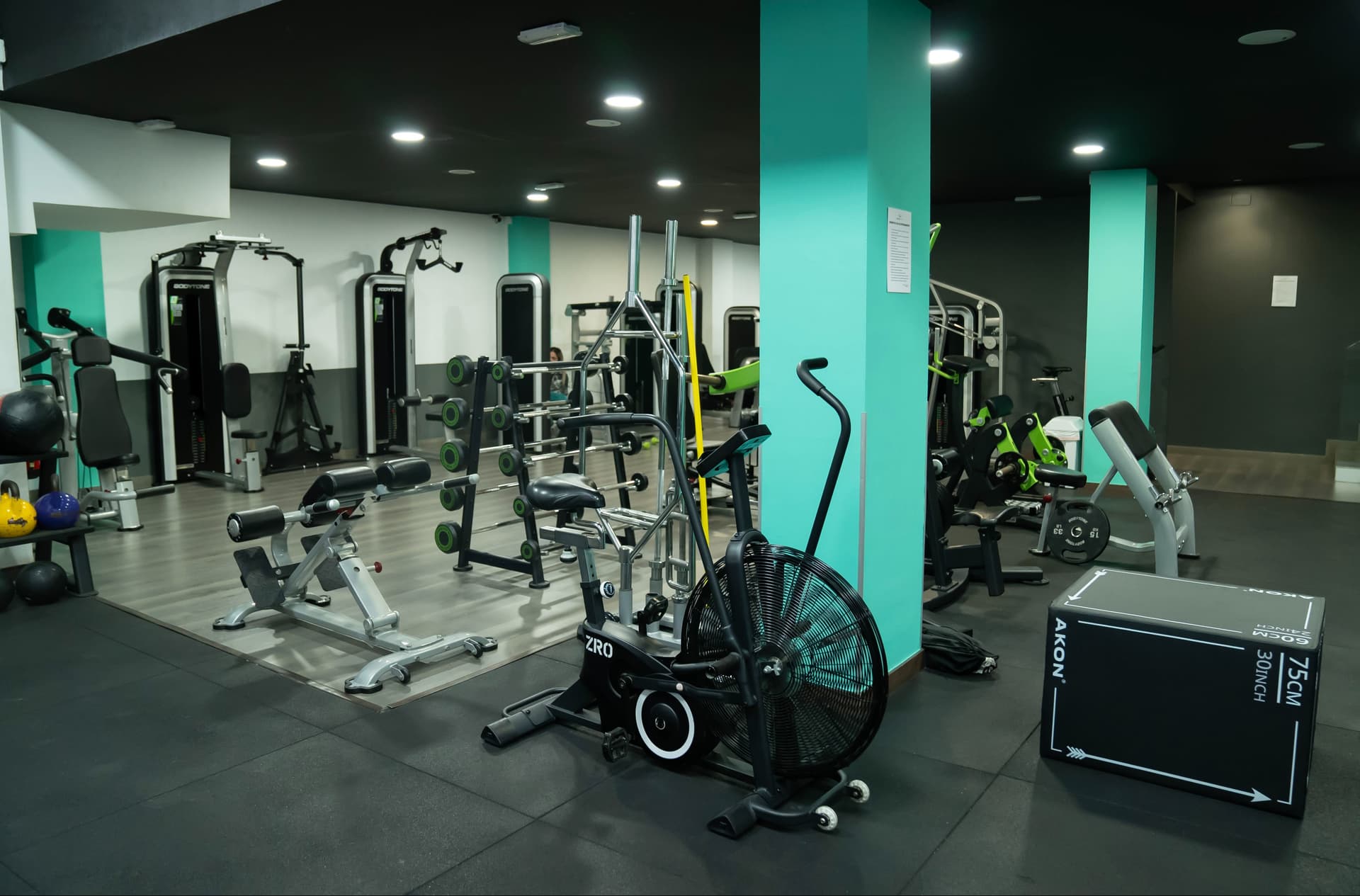
Inspira Fitness is built for the adult who is done improvising. The Barcelona studio puts reduced capacity, no permanence and guided training at the center of the offer, and it says that plainly on its site: this is for people aged 35 to 60 who care about technique, injury prevention and a more personal environment. It is also unusually blunt about who it is not for, making clear that if you want a cheap, overpacked gym, this is probably not your place.
That kind of positioning matters because it flips the usual gym sales pitch. Instead of selling access alone, Inspira sells structure, attention and a calmer room to train in. In a city where crowded gyms can feel like a daily obstacle course, that is a strong anti-massification play.
Why the model fits Barcelona now
Barcelona is a useful testing ground for this kind of business because the city’s fitness market is fragmenting. Boutique gyms are increasingly common in Catalonia’s sports ecosystem, and a 2Playbook report pointed to Barcelona as a place where premium, personalized studios are spreading, not fading. Inspira’s approach sits squarely in that shift, alongside other longevity-focused concepts such as Zenergie Body & Soul, which is also targeting people over 35.
The demographic logic is hard to ignore. Barcelona’s population surpassed 1.73 million on January 1, 2025, its highest level in 40 years, and the city has a broad adult base well into middle age. At the national level, OBS Business School says Spain’s sports and fitness sector represented 3.3% of GDP in 2022, generated more than 400,000 jobs, and included 4,561 gyms serving 5.4 million users. Just as important, only about 20% of Spaniards over 54 go to the gym, which leaves a large slice of older adults underserved by the classic membership model.
What Inspira actually sells
The appeal here is not a single premium treadmill or a fancy lobby. It is the mix of services that makes training feel manageable for people who want help, not noise. Inspira’s website offers no-permanence subscriptions, personal training, a 30-minute HIIT-style personal session, QR access, an app with training programs, and space rental or coworking options for trainers.
The practical extras matter too:
- Showers, lockers and free Wi-Fi for people folding training into the workday.
- Reservation options with a trainer, which makes the experience feel scheduled instead of chaotic.
- Short, intense formats like the 30-minute HIIT pack, which suit adults who want efficiency without self-directed guesswork.
- A hybrid setup that serves both end users and independent trainers, not just walk-in members.
That combination tells you a lot about the customer Inspira wants. This is for people who are willing to pay for guided sessions, and for trainers who want a professional base without having to build a full club from scratch.
The membership structure reinforces the message
The pricing keeps the promise of flexibility. Inspira lists a Premium plan at 34.90 euros in the first month and 42.90 euros afterward, and an Elite plan at 59.90 euros per month, both without permanence. That no-commitment structure is part of the product, not a side note, because it lowers the psychological barrier for people who are wary of being locked into a gym they may not enjoy.
That matters in a market where the old mass-membership bargain often fails on experience. If you know you dislike crowded rooms, long waits for equipment and the feeling that nobody is watching your form, a smaller studio with a more personal rhythm starts to make sense. Inspira is not trying to win on square footage; it is trying to win on the quality of the session.
A business designed around trainers as much as clients
Inspira is also more than a neighborhood gym. A profile in The New Barcelona Post says the business was founded in February 2019 in Les Corts and was conceived as a coworking space for personal trainers. That same profile says the founders raised 280,000 euros to launch, including 190,000 euros from financial institutions and 90,000 euros of their own capital.
That origin story helps explain the room-rental side of the business. Inspira’s model is not just about filling memberships, it is also about creating a place where trainers can work, book space and build their own client base. The legal notice backs up the formal structure: the company is registered with CIF B67086405, at Calle Caballero, 76, Local, 08029 Barcelona, and says it is mainly dedicated to sport and health activities.
Where the operation sits and how it runs
The address in Les Corts, Carrer de Caballero, 76, puts Inspira in one of Barcelona’s practical, everyday districts rather than in a glossy destination zone. Its published hours are Monday to Friday from 7:30 to 22:00, Saturday from 9:00 to 17:00, and Sunday closed, which is exactly the kind of schedule you expect from a studio built for routine and repeat visits. The contact setup also includes phone and WhatsApp, another signal that the business is trying to make access feel simple and personal.
That matters because the most effective boutique gyms do not just look premium, they feel easy to use. From QR entry and app-based programs to trainer reservations and short sessions, Inspira reduces friction at every step. For adults who have been intimidated by big-box gyms or burned out by overcrowding, that is the point.
What this says about the market
Inspira Fitness is a snapshot of where Barcelona fitness is heading: away from access-only memberships and toward highly defined use cases. The winning formula is not necessarily more equipment or more members; it is more attention, more clarity and fewer people in the room. For mature adults, injury-conscious clients and trainers who want a flexible base, that trade-off can be worth paying for.
The bigger lesson is that premium no longer means bigger. In Barcelona, premium increasingly means calmer, more guided and more human, and that is exactly the lane Inspira has chosen.
This article was produced by Prism’s automated news system from verified source data, official records, and press releases, then run through automated quality and moderation checks before publishing. The system is built and supervised by the people who set the standards it runs under. Read our full AI policy.
Did this article answer your question?