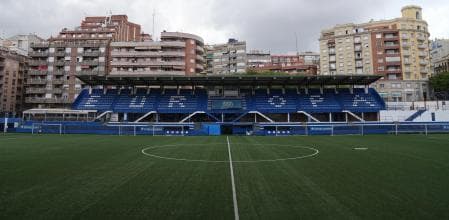
Claror buys Club Delfos, targets 13% growth and €28 million revenue
Claror folded Club Delfos into its Barcelona network and is aiming for 13% growth, with revenue approaching €28 million as it leans on services, not size.
Claror is betting that the winning formula in Barcelona is no longer more clubs, but more reasons for each member to stay. Gabriel Domingo, the chain’s general manager, has framed the group’s growth around attraction rather than expansion for its own sake, and the latest move shows that logic in action: Claror formalized the purchase of Club Delfos de Cornellà de Llobregat and plans to bring it into its structure from 1 April 2026.
The acquisition lifts Claror’s network to seven managed centers in the province of Barcelona, a selective step that fits a broader push toward service depth. The company has not disclosed the deal terms, but the strategic message is clear. Claror is trying to build a fuller relationship with members by sharpening segmentation by user profile, adding stronger human support and widening the range of services that make the club useful in daily life. That matters in a city where low-cost chains, municipal sports centers and premium boutiques are all fighting for the same workout hour.

Claror’s own roadmap points to 13% growth in 2026 and revenue approaching 28 million euros. To get there, the group is layering in offers that go beyond the gym floor, including coworking areas, nutrition services and more directed activities. It has already been rolling out Claror Live for training at home, Claror Outdoor services and Claror Boutiques, a mix designed to keep members connected even when they are not lifting weights or swimming laps. In Barcelona’s saturated market, that is the real battleground: retention economics, not just new sign-ups.
The pressure is obvious in the numbers. Barcelona’s municipal sports centers surpassed 197,000 members in 2024 and finished 2025 at 205,373 subscribers, with usage up 10% as younger users and boomers became more active. Claror says it manages or serves more than 20% of those municipal subscribers with only four city facilities, including Claror Sardenya, Claror Cartagena/Sagrada Família, Claror Marítim and Claror Can Caralleu under concession. The group’s pitch is that the middle of the market can still win if it knows exactly whom it serves and builds the right environment around them.
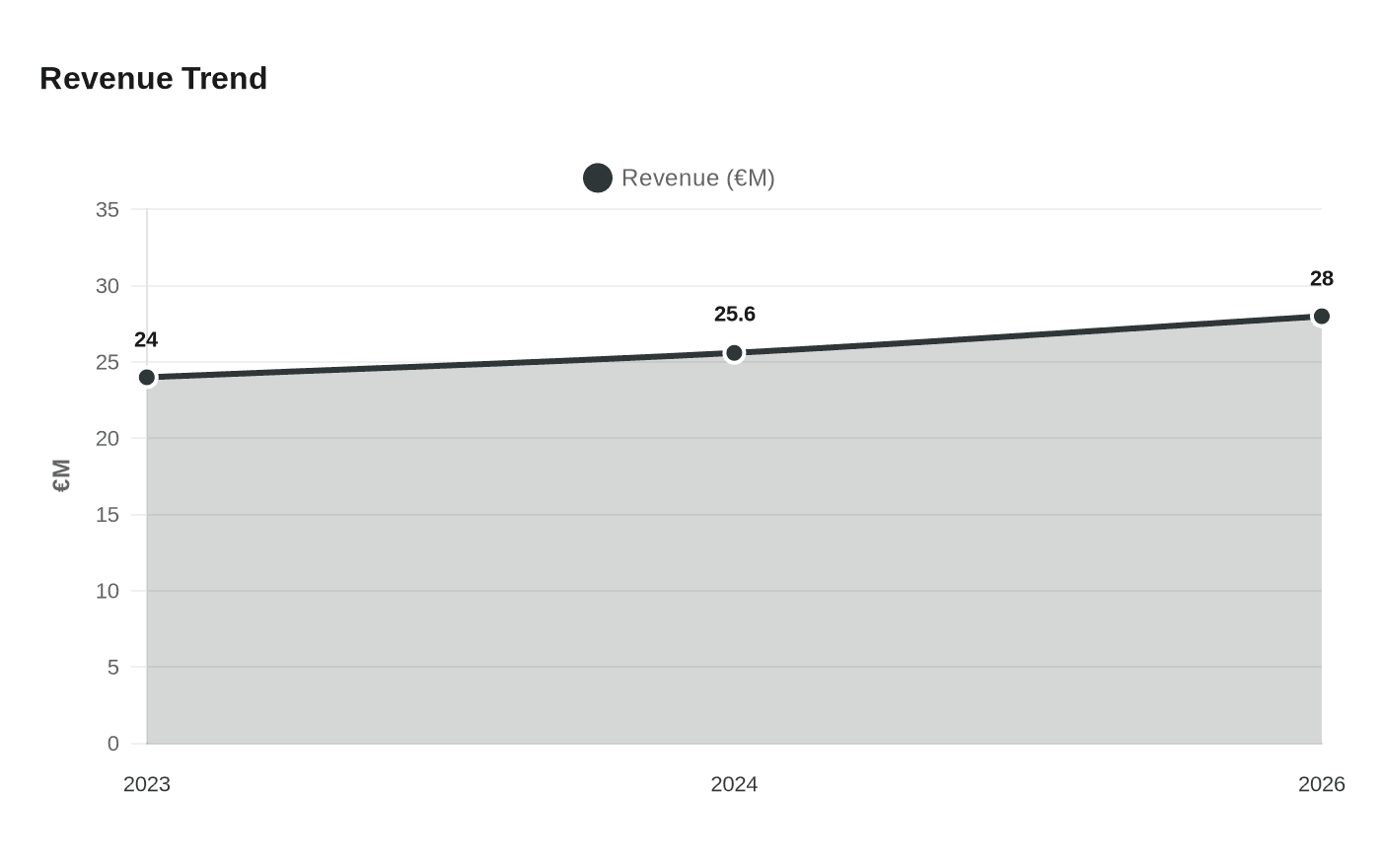
That is not a new idea for Claror. The cooperative dates back to 1978, when teachers and parents at Escola Sagrada Família created it, and Fundació Claror was established in 1989. Financially, the operator has been building momentum for years: it reported nearly 24 million euros in revenue in 2023 and planned annual investment of 1.2 million euros over three years for service improvements and energy efficiency. In 2024, revenue reached a record 25.6 million euros, up 7%. A 3.2 million euro renovation at Claror Can Caralleu, the largest single-club investment in the foundation’s history, underlined the same point. Claror is not chasing scale blindly. It is spending to make each site harder to leave.
This article was produced by Prism’s automated news system from verified source data, official records, and press releases, then run through automated quality and moderation checks before publishing. The system is built and supervised by the people who set the standards it runs under. Read our full AI policy.
Did this article answer your question?