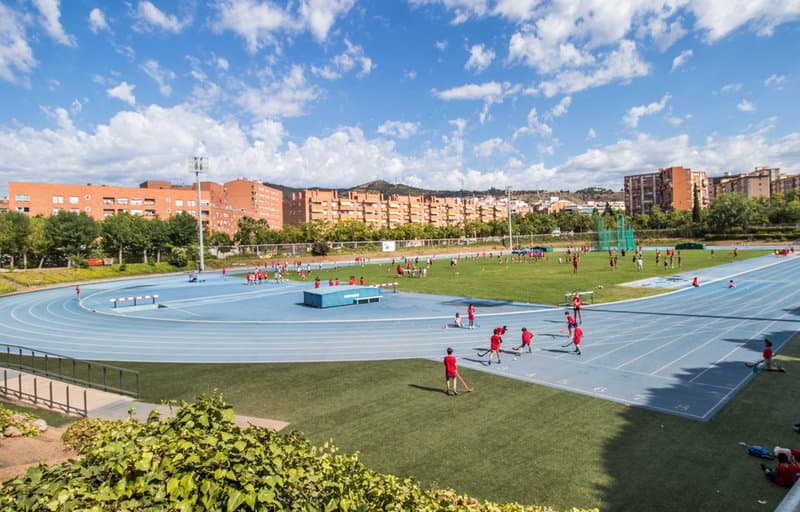
DiR leans on classes and wellness to stay relevant in Barcelona
DiR is betting that Barcelona still rewards a big local chain if it feels useful, not generic. Its mix of classes, wellness, and neighborhood reach is the real test.
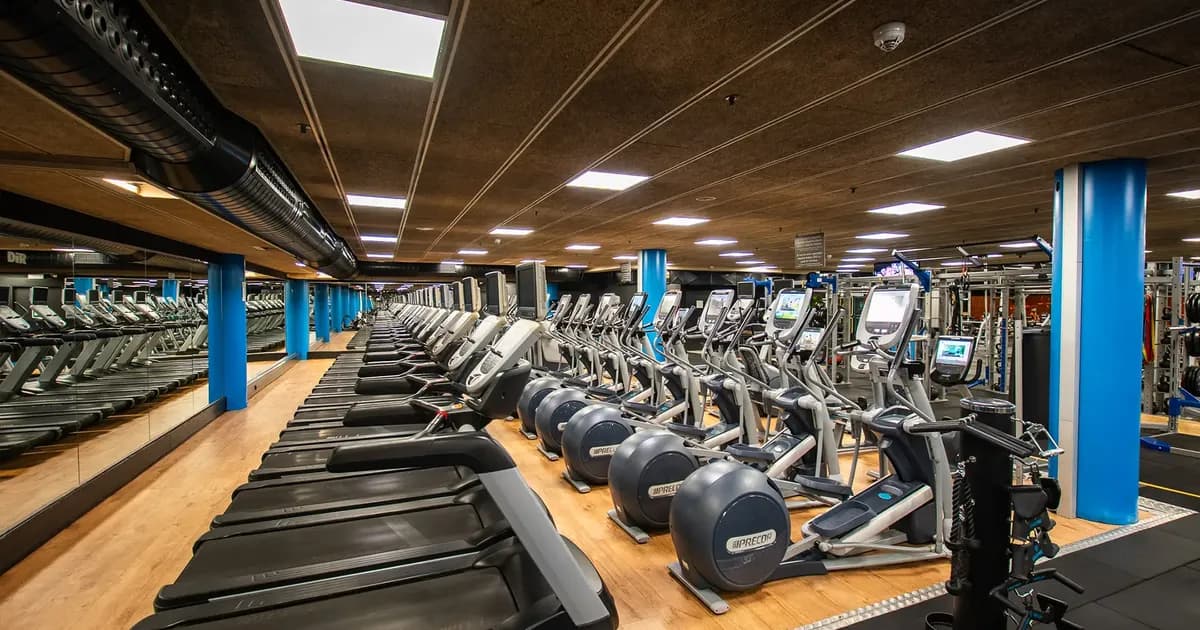
DiR is betting that Barcelona still has room for a big local chain if it feels useful, not generic. The real question is simple: does the membership still deliver enough convenience, class variety, neighborhood reach, and community to beat low-cost gyms, boutique studios, and wellness-first concepts? DiR’s answer is to make the club feel less like a room of machines and more like a place people return to for structure, challenge, and habit.
A local incumbent with real history
DiR is not trying to pass as a new-wave fitness disruptor, and that is part of the point. The company says it has been present in Barcelona since 1979, when it opened Sport Met, now DiR Maragall, on October 1, 1979. That kind of institutional memory matters in a city where gym loyalty is increasingly fragmented, because it gives DiR a claim to local continuity that newer operators cannot match.
The brand also built a civic-minded layer around that history. Fundación DiR was established in Barcelona in 1995, with a mission centered on promoting sport as a healthy lifestyle and a tool for social cohesion. That is a useful distinction in a market where many competitors are selling access and little else. DiR can talk about fitness as culture, not just monthly billing.
What DiR is actually selling now
The chain’s current pitch is built around comfort, variety, and motivation. On its official site, DiR says its Barcelona gyms are designed so members can train with comfort, variety, and motivation, and the company explicitly frames fitness as something that should feel welcoming rather than intimidating. That positioning is smart, because the modern club-goer is not always looking for a hardcore atmosphere. Many want a place that removes friction, gives them a plan, and makes showing up easier.
That is where the class mix does most of the work. DiR highlights current formats such as HYROX, Reformer Pilates, Bootcamp, and Boxeo as part of its programming. Those are not random buzzwords on a timetable. They point to the way urban training has shifted toward outcome-driven sessions, where members want a reason to come back beyond treadmill access and a set of dumbbells.

In practical terms, that means DiR is leaning into the parts of fitness that are hardest for pure low-cost operators to replicate well: coaching, structure, and a sense of progression. A club can be cheap, but if it feels empty or anonymous, it loses the argument fast. DiR is trying to make the membership feel like a training ecosystem rather than a storage locker for your gym bag.
Why the format mix fits Barcelona
Barcelona is not a passive market for this kind of strategy. The city keeps attracting new fitness competitors, including low-cost and international brands, which raises the pressure on incumbent chains to justify themselves every month. At the same time, the city’s own public fitness culture pushes people toward regular participation rather than one-off signups. La Festa del Fitnes, organized through the Institut Barcelona Esports with collaboration from public and private sports centers, is one sign of how normal exercise has become in the city’s civic life.
HYROX is the clearest example of where DiR’s programming lines up with the wider market. Barcelona City Council describes the format as a fitness race built around repeated 1 km runs followed by functional workouts, done eight times. That is exactly the sort of challenge-based training that has moved from niche endurance obsession to mainstream club offering. If DiR is putting HYROX on the board, it is not just chasing a trend. It is signaling that it understands what serious urban exercisers now expect from a club.
The same logic applies to Reformer Pilates and Bootcamp. One sells controlled strength and mobility, the other sells intensity and accountability. Boxeo adds a more expressive, skill-based layer. Together, they give DiR more ways to keep members moving through different goals and different seasons of motivation.
Scale still matters, but only if it feels local
DiR says it operates 20 clubs across Barcelona and Sant Cugat, and that scale gives it a crucial advantage in a city built around neighborhood routines. Membership value is not only about what happens inside one club; it is about whether the club is close enough to become habitual. A chain with broad geographic coverage can win on convenience in ways a single studio cannot, especially when people train near home some days and near work on others.
That is also why DiR’s location strategy matters as much as its programming. A mature operator can compete through coverage as effectively as through class design, especially when consumers are splitting their spending across budget gyms, boutique offerings, and more specialized training spaces. If the club is easy to reach, easy to use, and familiar across the city, it becomes part of the weekly loop rather than an occasional luxury.
DiR Sant Cugat shows how the brand is trying to extend that logic beyond a standard gym membership. DiR describes it as more than just a gym and says it offers access to other DiR clubs on weekends. That is a clever loyalty mechanic: it blends a more exclusive positioning with network-wide flexibility. The “Barcelona DNA” idea helps reinforce the local identity while still giving members reasons to stay inside the broader DiR universe.
The incumbent test
For DiR, relevance in Barcelona now depends on whether it can keep its legacy feeling current. Its history since 1979, its institutional role through Fundación DiR, and its citywide footprint give it the credibility of a local incumbent. But credibility alone does not win against a market that is fragmenting fast.
What keeps DiR in the conversation is the combination of neighborhood access, class depth, and wellness framing. It is trying to answer the only question that matters in a crowded city gym market: why this membership, and why now? Right now, DiR’s best argument is that it can still be the place where Barcelona trains, not just the place where Barcelona signs up.
This article was produced by Prism’s automated news system from verified source data, official records, and press releases, then run through automated quality and moderation checks before publishing. The system is built and supervised by the people who set the standards it runs under. Read our full AI policy.
Did this article answer your question?