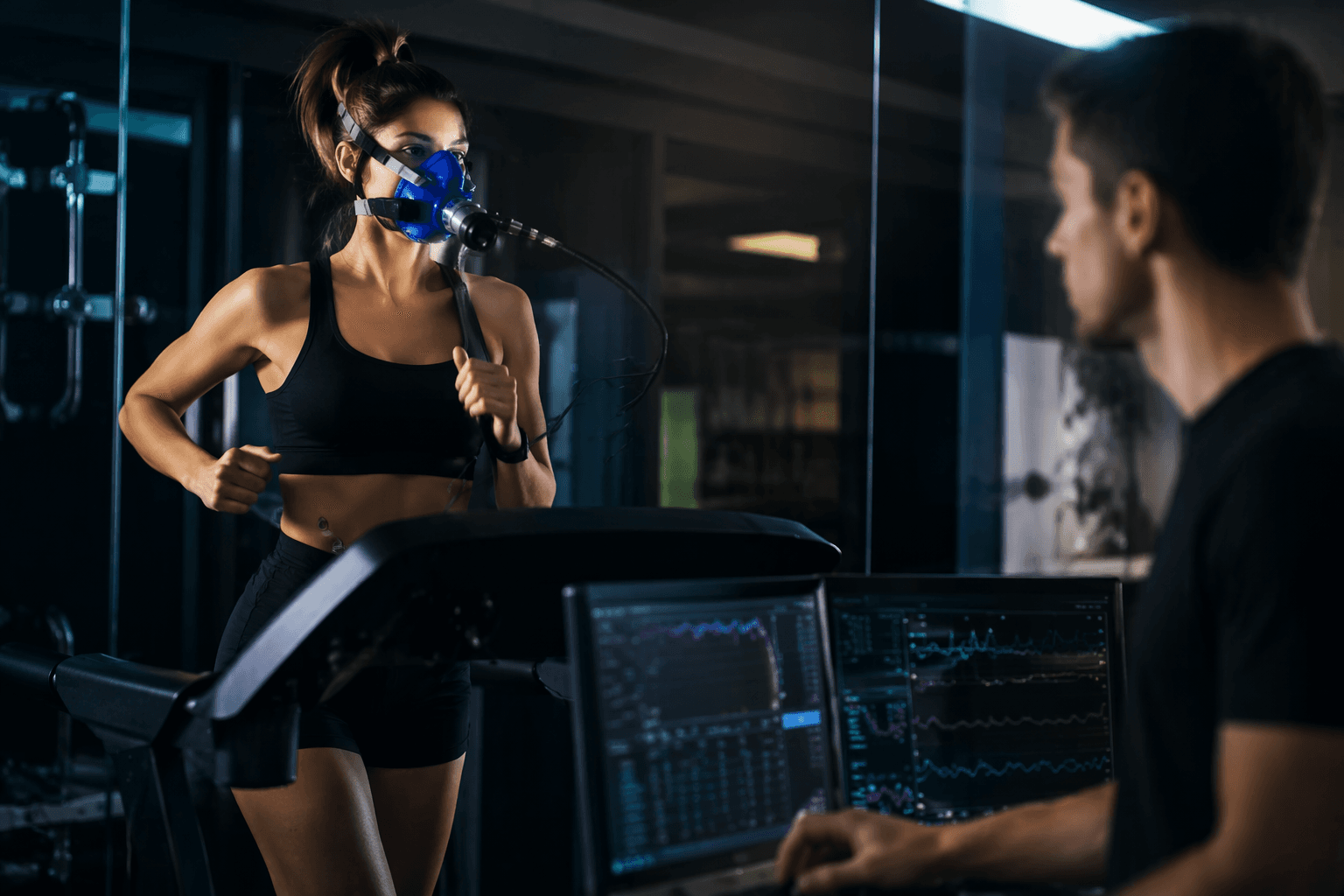
Fever’s Barcelona wellness festival packages fitness, networking and recovery
Barcelona’s latest wellness festival turns fitness into a full-day social circuit, bundling classes, recovery, networking and nightlife under one pass.

Barcelona’s fitness scene is moving into bundled experiences
Fever’s Wellness Festival Edition 2026 in Barcelona is built like a signal flare for the city’s fitness market. Instead of selling a single class and calling it a day, it packages movement, recovery, networking, food, and nightlife into one two-day waterfront event at Port Olímpic de Barcelona on 12 and 13 June 2026.

That matters because the format speaks to a very clear shift in consumer demand. The new wellness customer does not just want a workout. The customer wants convenience, variety, a social scene, and enough recovery built in to turn a sweat session into a full outing. Fever has designed the festival around that expectation, and the result is less like a studio timetable and more like a wellness circuit.
How the event is structured
The schedule is split cleanly across two very different use cases. Friday runs from 5:00 PM to 9:00 PM and is focused on networking activities and conferences, while Saturday runs from 9:00 AM to 9:00 PM and is stacked with sports activities all day. One ticket covers both days, with unlimited venue entries and exits, which makes the format feel intentionally flexible rather than rigid.
That flexibility is part of the appeal. A professional can show up after work on Friday to meet brands, creators, and like-minded attendees, then come back on Saturday for a much longer day built around exercise, recovery, food, and social programming. For consumers, the ticket is not just admission. It is access to a whole weekend rhythm.
What is actually on the program
The lineup is broad enough to blur the line between a fitness event and a lifestyle festival. Fever’s program includes yoga, breathwork, a 5K run on the beach, Pilates, HIIT boxing, bachata, a recovery zone with ice baths and recovery tools, healthy food trucks, a market of wellness brands and local creators, DJs, and a sunset party.
That mix is not accidental. It collapses several purchases and several motivations into one destination: movement for the body, recovery for the muscles, food for the in-between moments, and music for the social finish. If you are used to a class-based schedule, this is the opposite of that model. The pitch is not “come for one session.” It is “stay for the day, or the whole weekend.”
The recovery piece is especially telling. Ice baths and recovery tools are no longer niche add-ons tucked behind the main floor. Here, they are part of the core offer, which says plenty about where consumer expectations have moved. People now want the counterbalance to intensity built into the same ticket they use to sweat.
Why Port Olímpic fits the format
Port Olímpic is doing a lot of heavy lifting in this concept. Its official positioning describes the waterfront as a renovated and accessible city space that is integrated with Barcelona, committed to sustainability, and linked to the sea and the blue economy. It also promotes sea-linked activities such as yoga and meditation, which makes it a natural setting for a hybrid wellness event rather than a conventional indoor expo.
The setting is not just scenic. It is functional. The port’s wide promenades, rest areas, and public uses are part of what make this format work, because the event can spill across movement zones, recovery zones, food areas, and social spaces without feeling chopped up. Barcelona’s beach culture reinforces that logic. Barcelona City Council says the city’s beaches are woven into daily life and rank among its most popular public spaces for outdoor sport, which helps explain why a beach run and waterfront workout schedule should resonate here.
What this says about the business of fitness
For local studios, trainers, coaches, and brand partners, the bigger story is not whether this one festival sells out. It is what the model suggests about the market. The event is designed to support coaches, studios, brands, and food vendors at once, which makes bundled wellness feel less like a threat to class-based business and more like a growth channel.
That said, it does change the game for operators who depend on repeated single-class visits. If the audience increasingly wants one ticket that combines movement, recovery, networking, and entertainment, then studios that only sell isolated sessions may look narrow by comparison. The stronger play may be to participate in the bundle, use it as a lead generator, or build their own multi-activity formats around the same demand for convenience and atmosphere.
The real shift is cultural as much as commercial. Fitness in Barcelona is being presented less as a private habit hidden inside four walls and more as a public, visible, highly social lifestyle choice. In that sense, Fever’s festival is not just another event on the calendar. It is a template for how the city’s wellness economy can package attention, spend, and community into one waterfront experience.
Why this format has momentum
The strongest part of this model is that it feels native to Barcelona. The city already has the ingredients: outdoor sport, a beachside public realm, a strong social culture, and venues like Port Olímpic that are being repositioned around the sea and the city at once. Fever is simply bundling those ingredients into one ticketed experience.
If the format works, it could become a repeatable playbook for beachside and mixed-use venues across Barcelona. The lesson for the market is straightforward: the future of wellness here is not just a better class. It is a better day out.
This article was produced by Prism’s automated news system from verified source data, official records, and press releases, then run through automated quality and moderation checks before publishing. The system is built and supervised by the people who set the standards it runs under. Read our full AI policy.
Did this article answer your question?