FIT House of Brands recruits athletes to own fitness franchises
FIT is betting athletes can do more than sell memberships, giving them a path to own studios inside a 1,500-location wellness network. The real test is whether local credibility can beat pure capital in Spain.
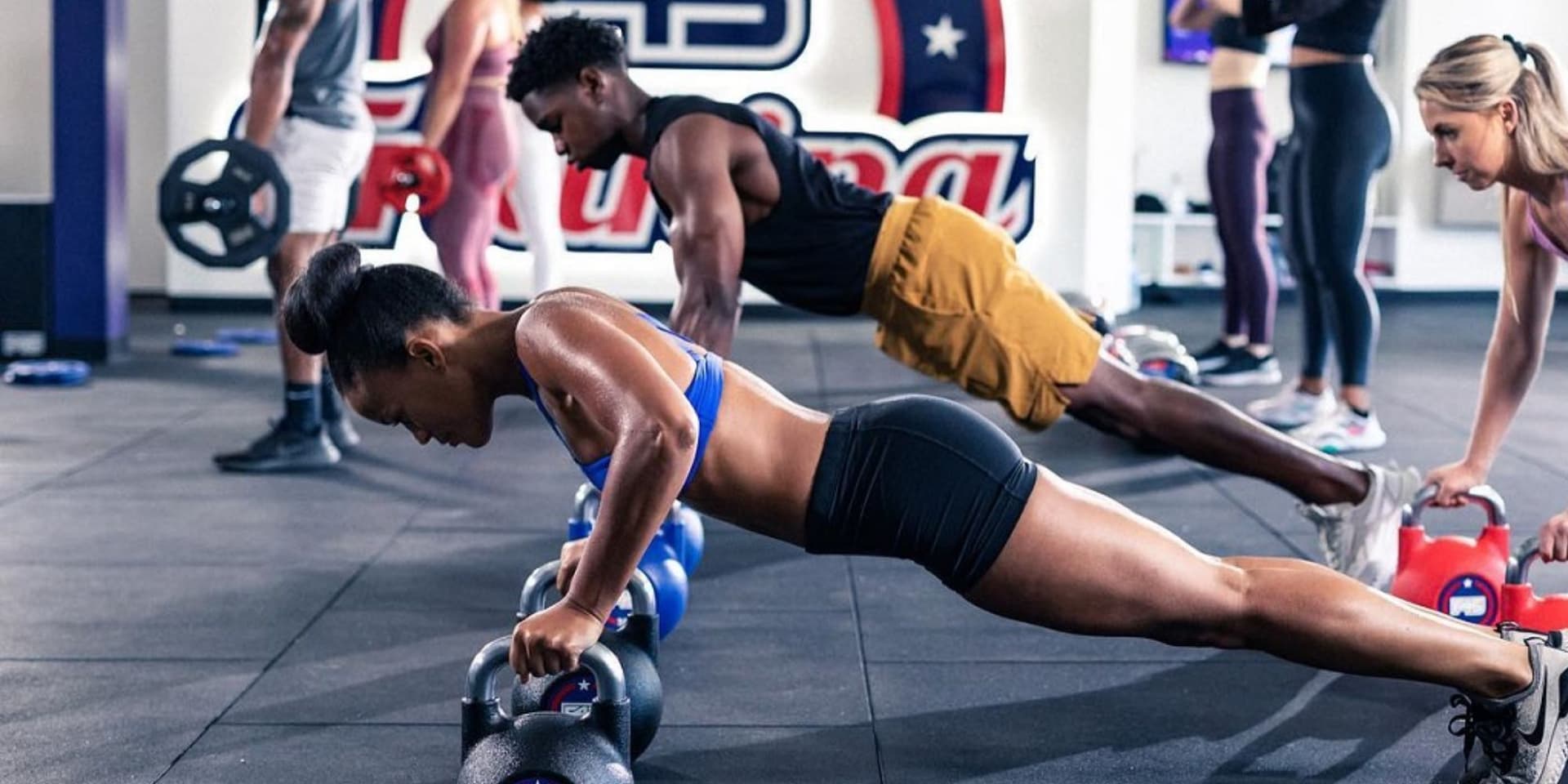
FIT House of Brands is turning a familiar fitness playbook on its head: instead of treating athletes only as faces for the brand, it is trying to make them franchise owners. The company launched its Athlete Ownership Initiative on May 11, 2026, and says the program is built for current, transitioning and semi-retired professional athletes who want a route into gym ownership with structured pathways, onboarding and business coaching for first-time operators.
That matters because FIT is not a single-brand gamble. The parent company, formed in its March 2025 rebrand, brings together F45 Training, FS8 and VAURA Pilates under one umbrella and says the group now spans more than 1,500 studio locations across 55 countries. In other words, this is a real international distribution system, not a one-off celebrity endorsement project. FIT is betting that athletes bring something many financial buyers do not: sporting credibility, discipline, leadership and an existing community that can help a studio open with momentum instead of starting from zero.

The logic tracks with how the boutique fitness market has evolved. F45 still leans heavily on community, saying it has around 2,000 gyms and 300,000 global members. FS8 positions itself as a fusion of Pilates, Tone and Yoga, while VAURA Pilates sells an athletic, immersive reformer-Pilates experience with studios in Sydney, Singapore and New York, among other markets. Those formats depend less on raw square footage than on trust, taste and local identity, which is exactly why FIT is targeting athletes who can carry credibility in a neighborhood, not just write a check.
That is also why Barcelona stands out as a proving ground. Local coverage has already framed the city as a key test case for boutique fitness expansion in Spain, driven by demand for specialized, experience-led studios. In a market like that, a recognizable athlete-owner could be more than marketing gloss. The right operator can become part of the neighborhood’s social fabric, which is often what keeps a boutique studio full after the launch buzz fades.
Still, the skill gap is real. Owning a studio is not the same as lending a name to one. FIT is trying to close that gap with coaching and operational support, but the model will only scale if athlete-led franchises can handle staffing, retention, unit economics and local sales as well as they handle brand lift. If they can, FIT may have found a serious ownership pipeline for Spain and beyond. If not, this will look like branding dressed up as entrepreneurship.
This article was produced by Prism’s automated news system from verified source data, official records, and press releases, then run through automated quality and moderation checks before publishing. The system is built and supervised by the people who set the standards it runs under. Read our full AI policy.
Did this article answer your question?