Fitness shifts to healthspan, clubs sell strength and longevity
Strength training is being reframed as a path to independence, not just a better mirror. Barcelona clubs that sell mobility, resilience, and healthy years can meet a much wider audience.

A mirror-first version of fitness is losing ground fast. The newer pitch is simpler and much more durable: lift so you can move well, stay independent, and keep doing ordinary life for longer. A June 3 Healthspan piece captured that turn clearly, and it matters in Barcelona because the city’s clubs are now selling more than physiques. They are selling future function.
Healthspan is the new frame
Healthspan means the years spent in good health, not just the total number of years lived. That distinction changes everything about how strength training is presented. Instead of treating lifting as a bodybuilding lane or a seasonal transformation plan, clubs can position it as preventive health infrastructure that supports mobility, independence, and long-term vitality.
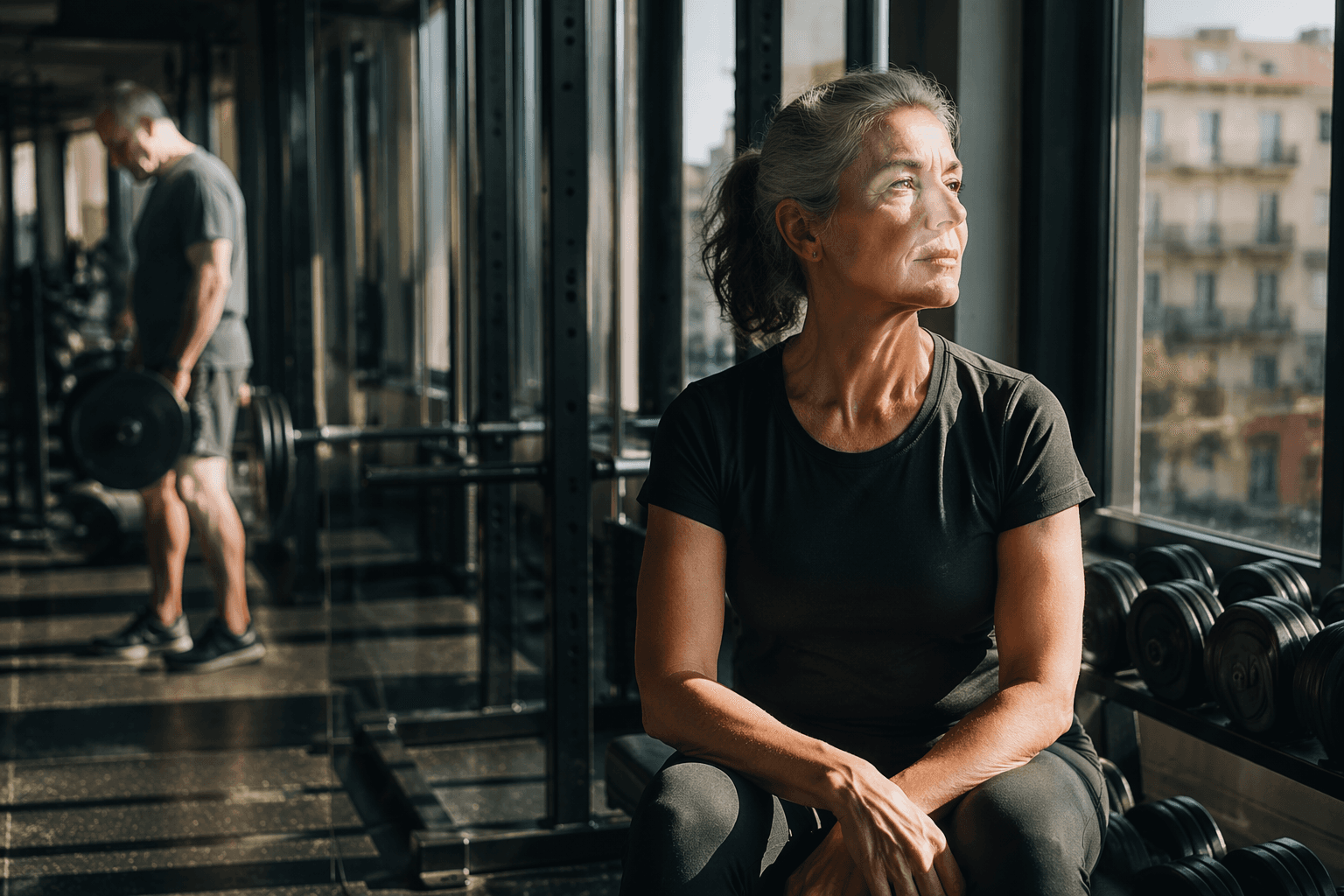
That shift is especially powerful for three groups that do not usually see themselves in bodybuilding culture: older adults, beginners, and mainstream members who want to feel better in daily life. For them, the promise is not a six-pack. It is getting up from the floor, carrying groceries, climbing stairs, traveling comfortably, and staying active without pain.
The public-health case is already built
This messaging is not just marketing language, it is aligned with major health guidance. The World Health Organization recommends muscle-strengthening activities involving major muscle groups on two or more days a week for adults. For adults 65 and older, the WHO also recommends at least 150 minutes of moderate-intensity activity a week, or 75 minutes vigorous, or an equivalent combination. For older adults living with disability, the guidance goes further, calling for multicomponent activity that emphasizes balance and strength training on three or more days a week to improve functional capacity and prevent falls.
The U.S. National Institute on Aging adds another layer of credibility. It says strength training has been studied for more than 40 years and can help older adults maintain muscle mass, improve mobility, and increase the healthy years of life. That is the key message clubs can borrow without diluting it: strength is not cosmetic extras, it is a tool for healthier aging.
Barcelona’s market is ready for the reset
The commercial backdrop in Barcelona makes this shift even more relevant. One 2026 industry summary estimated Spain’s fitness sector at €3.235 billion in 2025. Another put the market at €4.2 billion in 2023 and projected growth to €5.1 billion by 2028, while also citing Barcelona’s average monthly gym fee at €42.80. An OBS Business School report said Spain had 4,561 gyms and 5.4 million users in 2022, with turnover of €2.1 billion.
Those numbers point to a sector that is large enough to be selective and mature enough to reward clear positioning. The benchmark is moving from simple expansion to execution, which means retention, usage, and perceived value matter as much as opening another floor of equipment. In that environment, the clubs that explain why strength training matters for everyday life will have a sharper edge than the clubs that only promise a better body composition scan.
Barcelona’s demographics strengthen that case. The city had 432,556 foreign nationals registered on January 1, 2024, equal to 25.4% of the population, with residents from 180 nationalities. In a place that international and socially mixed, gyms are not only training spaces. They are also places where people build routine, confidence, and connection around a shared goal of feeling capable in their own bodies.
What clubs should change in programming
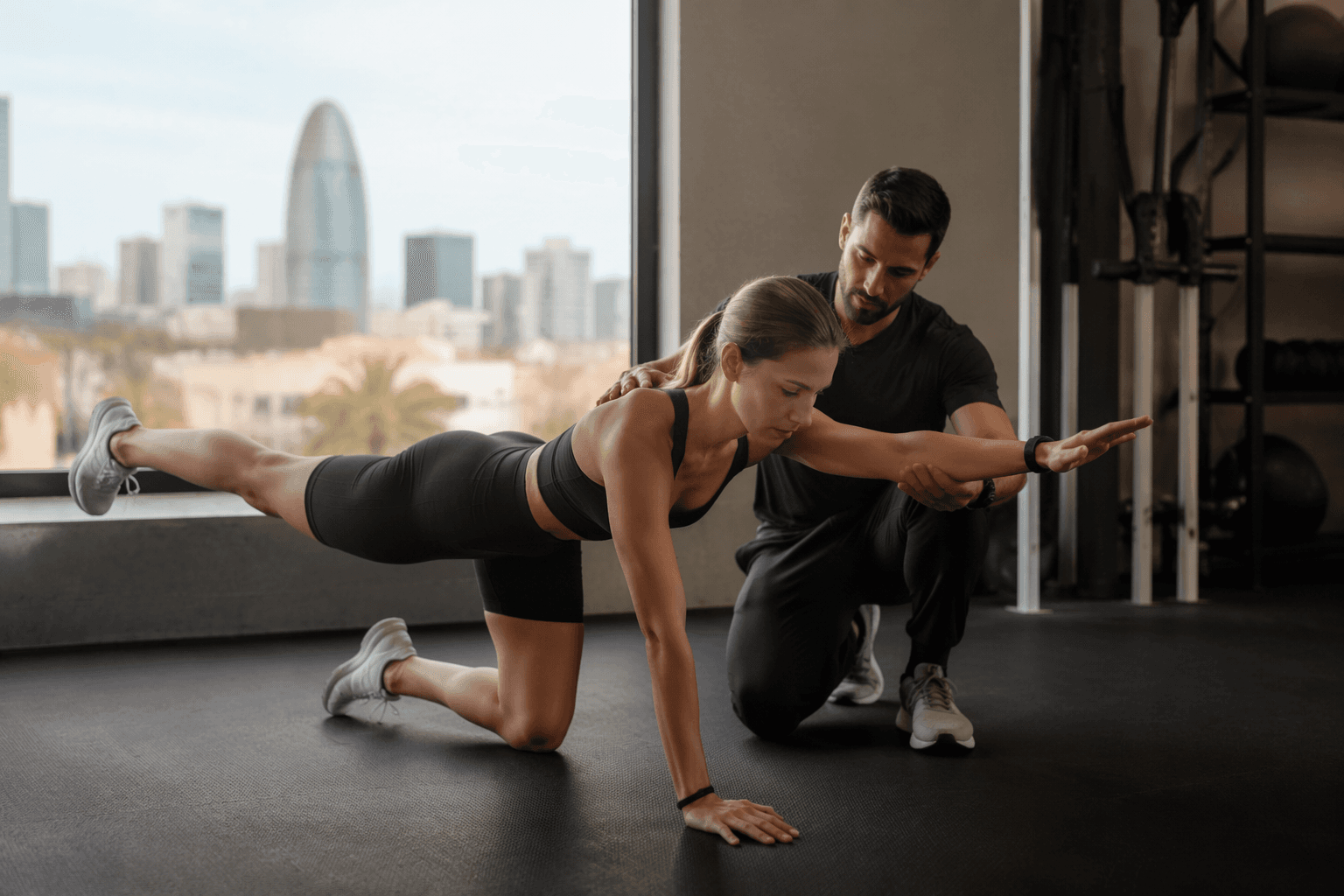
If the sales story changes, the product has to change too. Strength areas need to feel approachable, not intimidating. Onboarding has to make movement quality and confidence visible from day one. Coaching has to be evidence-based enough to reassure older adults and newcomers, but practical enough to fit real schedules and real bodies.
A useful model is to build the whole club experience around function:
- Start with structured onboarding that checks mobility, confidence, and training history.
- Offer strength zones that prioritize machines, free weights, and simple progressions over chaotic floor layouts.
- Teach members how to move, brace, squat, hinge, push, and pull in ways that carry into daily life.
- Make balance and stability work a standard part of programs for older adults and deconditioned beginners.
- Track progress with measures that people feel, such as stair climbing, balance, energy, and reduced aches, not only appearance changes.
This is where the healthspan message becomes operational. When the promise is longer-term function, the club must help members see progress in how they live, not just how they look under bright lights.
How to market strength without sounding like a rehab clinic
The best clubs will not turn every message into medical language. They will translate healthspan into plain, motivating benefits. That means talking about staying strong for work, family, travel, and independence. It means showing that strength training belongs to people who want to age well, not only to people chasing a hypertrophy split.
Spain’s fitness offer already supports that kind of repositioning. The market has diversified beyond traditional weight rooms into boutique gyms and specialized concepts such as boxing, yoga, and personalized training. That broader mix shows that members are comfortable with more specific promises. Healthspan is simply the next, more useful promise: not just niche identity, but lasting utility.
Barcelona also has a local ambition that fits the moment. Fitness entrepreneur Rod Hill has argued that the city could become a global capital of active longevity. That idea sounds bold, but it reflects a real market truth. In a city where so many people are temporary, international, or in transition, a gym that sells strength as a way to stay mobile, resilient, and independent is selling something deeply practical.
The clubs that understand this reset will not stop talking about results. They will just define results more intelligently. In the healthspan era, the win is not only looking stronger. It is staying stronger for longer, and making that promise easy to understand, easy to train for, and easy to keep.
This article was produced by Prism’s automated news system from verified source data, official records, and press releases, then run through automated quality and moderation checks before publishing. The system is built and supervised by the people who set the standards it runs under. Read our full AI policy.
Know something we missed? Have a correction or additional information?
Submit a Tip