Pilates Reformer becomes a strategic investment for Barcelona gyms
A Reformer only pays off when the numbers work: class occupancy, instructor ratio, and client mix. Barcelona’s dense, international market can reward it, but only in the right format.
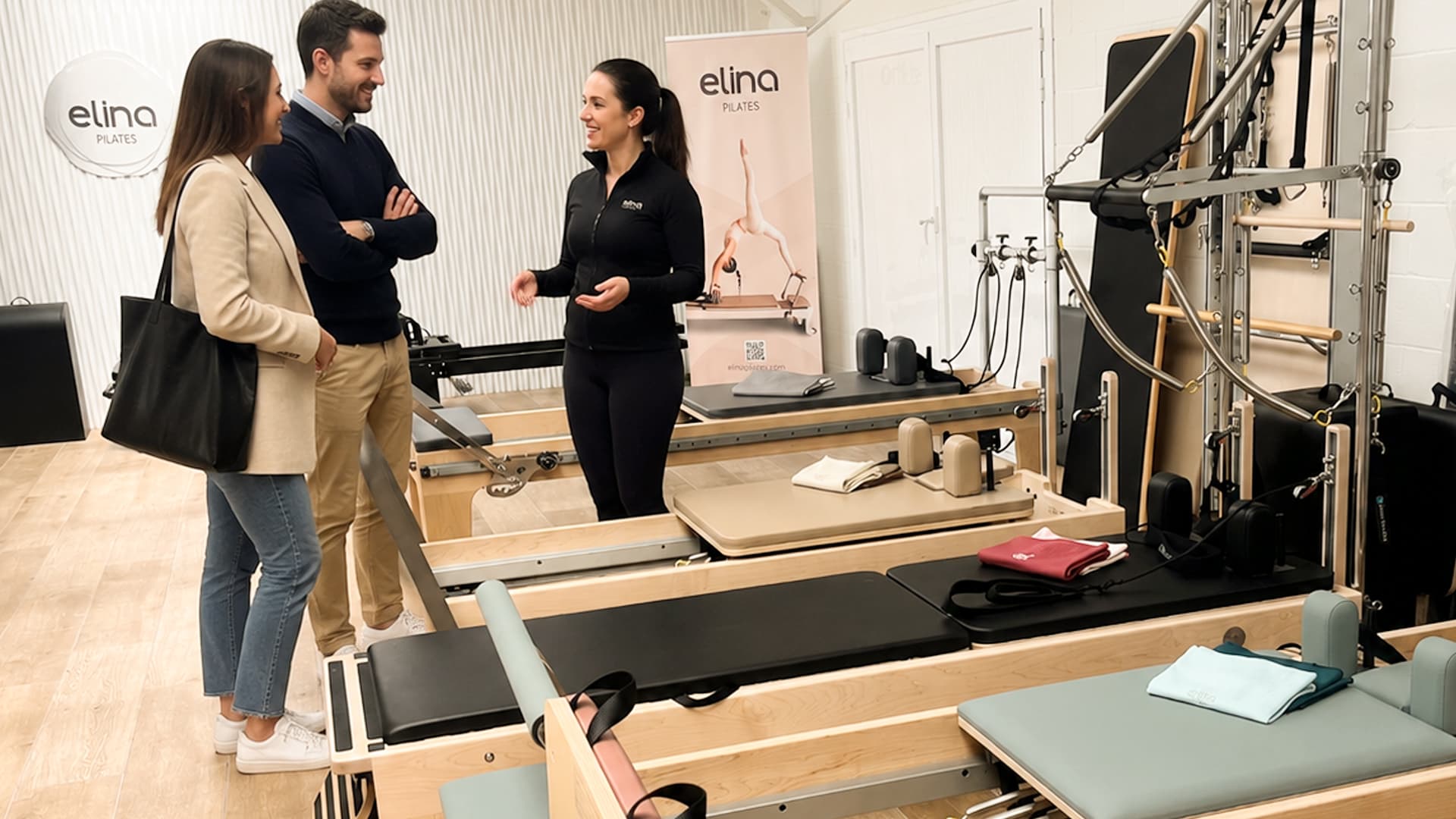
The Reformer is not décor. It is a business decision
The biggest mistake gyms make with Pilates Reformers is treating them like a visual upgrade. In practice, the machine only earns its place when it improves retention, supports pricing power, and fits the way the club actually sells hours, not when it simply looks premium on the floor.
That is the real lesson for Barcelona operators. A Reformer can lift ticket average, sharpen differentiation, and create a stronger wellness story, but it can also become expensive dead weight if the class calendar is thin, the instructor pipeline is weak, or the room is too tight to run it efficiently. The question is not whether the machine is fashionable. The question is whether it can be paid back through repeat bookings, disciplined occupancy, and a client profile that values guided, higher-touch training.
Barcelona already has the market conditions, but not every model fits
Barcelona has the ingredients that make Reformer Pilates attractive: a visible studio ecosystem across Eixample, Gràcia, Poblenou, Sant Joan and other central areas, plus a client base that is comfortable paying for specialization. That density matters because it shows demand, but it also means competition is already real. If your offer looks interchangeable, you will be fighting for the same international, urban, wellness-minded customer as the studios next door.
The city’s broader sports and wellness context also helps. Barcelona Activa frames the sector as one that combines sports activities with therapies aimed at physical, psychological, and emotional needs, and the city’s sports culture was firmly consolidated after the 1992 Olympic Games. That is important because it explains why Reformer sales here are not just about fitness. They are about a more complete promise: movement, recovery, posture, and a controlled, high-attention experience.
Run the math before you buy the machine
If you are operating in Barcelona, the purchase should be judged on hard operating variables, not taste. Start with price per unit, because the machine cost is only the entry point. Then calculate the real footprint, including circulation space around the bed, instructor access, and whether the room can support a class format without bottlenecks.
From there, move to maintenance and wear. A Reformer in a high-use environment is not a set-and-forget asset. Springs, straps, carriage action, upholstery, and adjustment mechanisms all matter because breakdowns kill the premium feel fast. Add training as another cost line, because the machine is only as good as the coach running it. If your instructors cannot deliver safe, consistent progression, the equipment will not generate the premium pricing you are counting on.
The final test is payback. A Reformer works when it becomes a recurring revenue slot, not a fixed expense with spotty attendance. That means you need to model class occupancy, expected repeat rate, and the ratio of students to instructors in a way that matches your service promise. A small boutique can justify tighter ratios and higher prices. A generalist gym usually cannot afford to let a Reformer lane sit underused.
Club premium, boutique studio, or general gym: the fit is different
In a premium club, the Reformer makes the most sense when it extends the club’s wellness identity and helps retain members who want more than floor access and weights. Here, the machine can support a polished experience, especially if the club already sells service, coaching, and a more curated environment. It works best as an integrated part of the club mix, not a side room that never feels fully programmed.
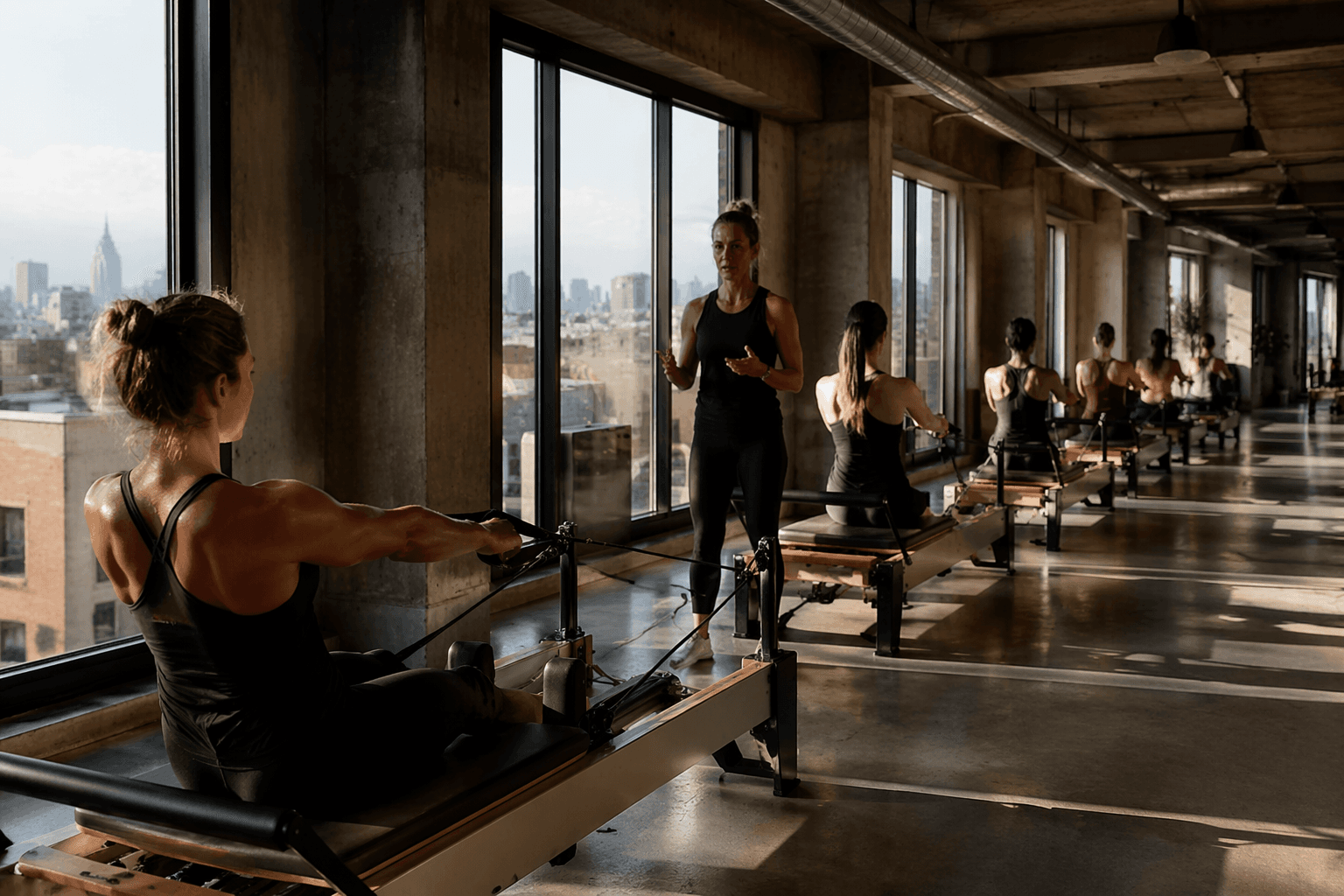
In a boutique studio, the logic is sharper and easier to defend. The whole business is built around specialization, attention, and perceived expertise, so the Reformer becomes the core product rather than an add-on. That makes pricing easier to defend, but it also raises the stakes: if occupancy drops, the business feels it immediately. Boutique operators need disciplined scheduling, strong instructor branding, and enough demand to keep slots full across the week.
For a general gym, caution is the right instinct. The Reformer can still work, but only if the center already has enough members willing to pay for premium small-group training and the facility can protect enough floor space without compromising the broader operation. If the machine sits in a half-used room or if staffing gets stretched, it will drag down margins instead of improving them.
The instructor pipeline matters as much as the hardware
Barcelona is better positioned than many cities because the local training ecosystem is not empty. APPI Spain, BASI Pilates, and Merrithew all have training activity or host-center presence connected to the city and the wider Spanish market, which helps explain why the format keeps expanding. That matters to operators because equipment without instructors is just expensive furniture.
This is where many gyms underestimate the operational burden. A Reformer program needs coaches who can teach clean progression, manage safety, and keep the experience consistent enough that clients return. If the staff is undertrained, you do not just lose quality. You risk the credibility of the entire premium offer.
The health and rehab angle is part of the sales story
The Reformer is easier to sell when it is positioned as more than a fitness trend. The World Health Organization defines rehabilitation as interventions that optimize functioning and reduce disability, and places it within universal health coverage. It also emphasizes physical activity across all life stages as a source of major health benefits. That gives the Reformer a legitimate place in a service offer that blends wellness, movement, and structured conditioning.
The evidence base adds weight. A randomized controlled trial in Scientific Reports looked at Reformer Pilates in overweight and obese women and found effects on body composition, strength, endurance, and psychosomatic parameters. A systematic review also found that Reformer-based Pilates can produce greater metabolic intensity and energy cost than mat Pilates in at least one included study. For operators, that means the product can be framed as a premium, results-oriented format, not just a gentler class option.
The real payoff is differentiation with discipline
The smartest Barcelona operators will not buy a Reformer because it is hot. They will buy it because it helps them sell a more specific promise to a more specific client, at a price that supports staffing, maintenance, and space costs. That is especially relevant in a city with a large and growing resident base, including 49,128,297 people in Spain on January 1, 2025, of whom 6,911,971 were foreign nationals, and a resident population that later rose to 49,315,949 by July 1, 2025.
That demographic reality matters because it points to a broad, mobile, international customer pool that understands boutique wellness and often pays for it. In Barcelona, the Reformer can be a strong strategic asset, but only if it is tied to a clear business model. The machine itself does not create value. The operating discipline around it does.
This article was produced by Prism’s automated news system from verified source data, official records, and press releases, then run through automated quality and moderation checks before publishing. The system is built and supervised by the people who set the standards it runs under. Read our full AI policy.
Did this article answer your question?