Technogym pushes AI to the center of wellness design and training
Technogym is turning AI into gym-floor infrastructure, with faster program design, smarter retention tools, and a sharper playbook for Barcelona operators.
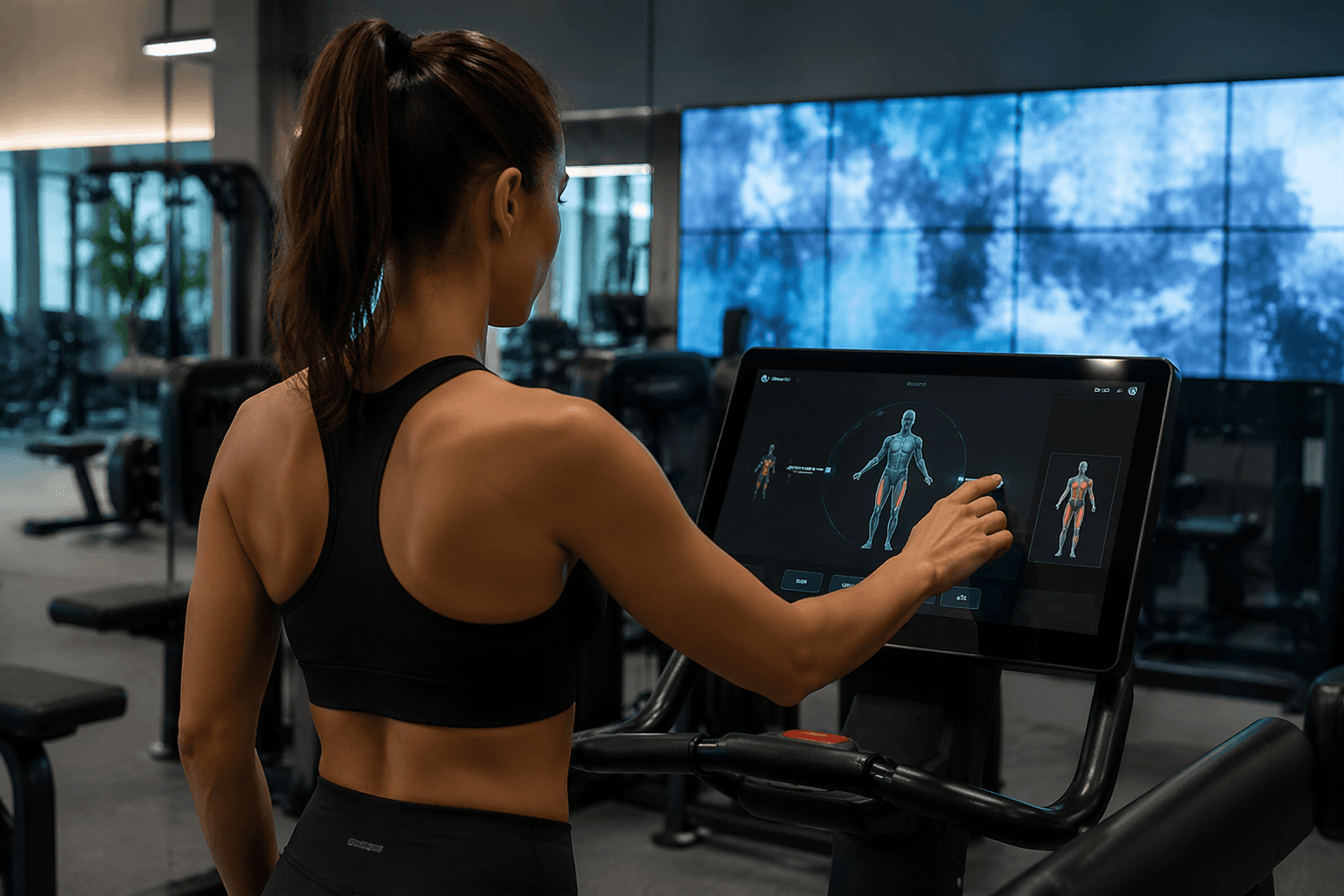
AI is moving from the screen to the gym floor
Technogym is no longer selling AI as a novelty bolted onto equipment. At SOMA, the company is pushing a much more practical idea: artificial intelligence is becoming part of how wellness is designed, delivered, and sold. That shift matters because it changes the daily rhythm of the club, from how programs are built to how staff spot a member who is drifting away.

SOMA Fitness & Wellness Show gives that message a fitting stage. Feria Valencia describes the 2026 edition as running from May 7 to May 10, 2026, in Valencia, with a format that combines fair, congress, and festival. It is positioned as a meeting point for brands, professionals, the public, and specialist media, which makes it a useful barometer for where the industry is trying to go next.
What Technogym is actually bringing
Technogym’s AI Ecosystem is built on 40 years of scientific research and a global data heritage, and the company says it draws on more than 38 million connected users. That is the real force behind the pitch. This is not a startup promising magic from a demo reel, but a mature equipment and software business using scale, training data, and connected hardware to make personalization feel less labor-intensive.
The ecosystem centers on three pieces: Adaptive Training, the AI Coach, and an AI Assistant for operators and trainers. Technogym says the AI Coach can work through text, images, or voice through Gemini-enabled interactions, while the AI Assistant can cut the time needed to design a program and analyze user behavior by up to 80%. That is a meaningful number for any club that still burns staff time manually building sessions or trying to make sense of attendance patterns after the fact.
Why Barcelona operators should care now
Barcelona’s premium clubs, boutique studios, and recovery-led concepts already compete on design and service. AI is now slipping into that same competitive stack, not as a separate product category, but as part of the member experience itself. If the hardware looks polished but the guidance feels generic, the club starts to look behind the curve.
The short-term gain is not a fully automated gym. It is sharper personalization on the floor. A club can use AI-backed workflows to shape training plans more quickly, adapt programming with less guesswork, and offer a more individualized journey for members who expect every touchpoint to feel curated.
Technogym’s broader 2026 messaging ties this to its idea of healthness, where AI supports not just training quality but also acquisition, retention, and engagement. That is the part operators should watch closely. In a market where churn is expensive and premium positioning depends on more than square footage, software that improves the first 30 days of a member’s life can matter as much as a new strength machine.
The operational shift is bigger than the showroom pitch
The near-term reality is straightforward: AI is likely to change staff work before it replaces staff roles. Trainers spend less time on repetitive program drafting, more time on coaching, follow-up, and correcting execution. Front-of-house teams get a better read on what a member should buy next, whether that is a PT pack, a recovery session, or a higher-tier membership.
That translates into three concrete shifts on the floor:
- Program personalization gets faster and more consistent. The AI Assistant reduces the lag between intake and first session, which matters when a new member expects something tailored, not templated.
- Staff roles become more interpretive. Trainers and managers spend less time assembling plans from scratch and more time judging whether the plan actually fits the member’s goals, condition, and attendance pattern.
- Upselling becomes more relevant. When the system can identify drop-out signals and flag engagement risks, clubs get a cleaner prompt for intervention, whether that means a check-in, a coaching adjustment, or a targeted offer.
This is where showroom rhetoric often outruns reality. AI will not fix poor service, bad programming, or a weak club culture. It will, however, make good operators more efficient and make sloppy operators easier to spot.
Google Cloud, Gemini, and the move toward connected coaching
Technogym deepened the story in April 2026 with a multi-year partnership with Google Cloud. The point of that collaboration is to integrate Google’s generative AI technologies into the Technogym AI Ecosystem, including Gemini-powered conversational features and cloud infrastructure built on Google Cloud BigQuery. In practical terms, that means more conversational, data-driven coaching and a more scalable back end for analyzing what members do, want, and abandon.
For clubs, that kind of infrastructure changes the economics of personalization. If the system can understand a member’s behavior quickly enough to shape the next interaction, then the club can move from reactive service to guided engagement. That does not sound glamorous, but it is exactly where a premium operation can make money without piling on staff hours.
Why SOMA’s longevity angle matters
Technogym’s SOMA presence also leaned into a broader wellness argument. The coverage cites Dr. Mikel Izquierdo of the University of Navarra, who framed exercise as strategic public-health infrastructure and tied healthy longevity to mobility, strength, resilience, independence, and social participation. That is a useful counterweight to the hype around AI because it reminds the industry what the technology is supposed to support.
The point is not to let software become the product. It is to use software to make exercise more effective, more personal, and more sustainable over time. That is where Technogym’s mature positioning gives it credibility: the company is presenting AI as an extension of decades of research and a large connected-user base, not as a gimmick in search of a use case.
For Barcelona operators, the message is plain. The clubs that win on the next cycle will not be the ones that talk loudest about AI, but the ones that use it to sharpen coaching, strengthen retention, and make the whole member journey feel more intelligent from the first assessment to the next renewal.
This article was produced by Prism’s automated news system from verified source data, official records, and press releases, then run through automated quality and moderation checks before publishing. The system is built and supervised by the people who set the standards it runs under. Read our full AI policy.
Did this article answer your question?