TrendFit Madrid targets practical growth strategies for fitness operators
TrendFit Madrid is built for the operational questions that decide winners: pricing, retention, add-ons, staffing, and the tech that turns footfall into profit.
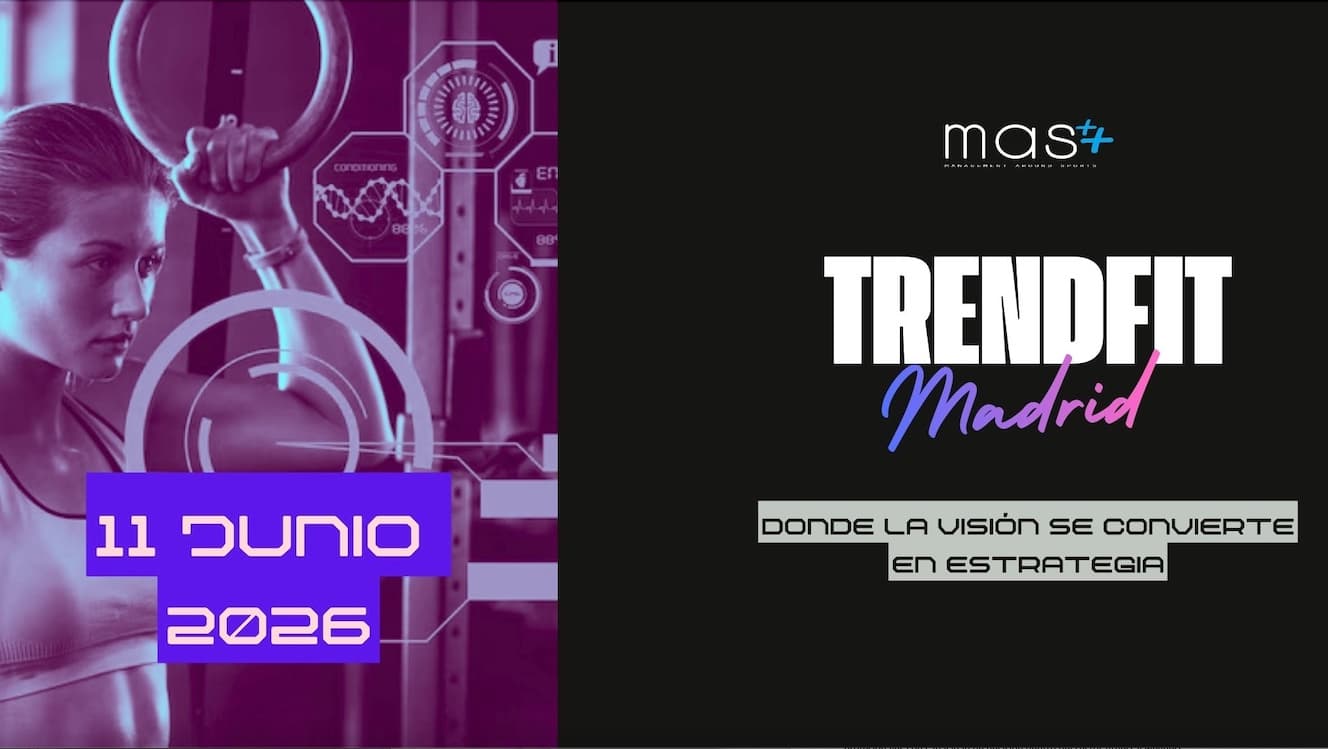
TrendFit Madrid is not trying to wow operators with glossy theory. It is built for the hard part of running a club: deciding what to charge, what to add, and what to fix when growth is no longer just about opening more doors. The June 11 session at Hotel Catalonia Gran Vía Madrid, in Sala Tulum, is an in-person, operator-only gathering that runs for 4 hours and 30 minutes, and the format alone tells you this is meant to be a working room, not a stage show.
What TrendFit Madrid is really for
Management around Sports is positioning the event as a practical meeting for managers, owners, and senior decision-makers in fitness and wellness. Technogym is sponsoring the event, with OJMAR, PROVISPORT and PAVIGYM listed as collaborators, which is a useful clue about the subjects that will actually matter on the day: equipment, access control, flooring, and the digital layer that sits under the member experience.
The central message is straightforward. MAS is framing one of the sessions around “consumer trends that will redefine your business in 2026,” and that matters because the market is no longer asking only who can attract the most sign-ups. It is asking who can keep people coming back, who can lift yield per member, and who can build a club model that still works when customers are more selective than they were a few years ago.
The roundtable should be the sharpest part of the program. David del Campo of Flow Fitness and Balance, Damiano Pucci of On Air Fitness, and Héctor Sáez, cofounder of The Qlture, bring different operator perspectives rather than a single-format sales pitch. That mix is exactly what makes the discussion useful: the best answers on retention, pricing, and service design usually come from operators who have had to make those choices on the floor, not just in a slide deck.
Why the timing matters for Spain
The reason this conversation hits now is the size and shape of the market behind it. EuropeActive and Deloitte say Europe reached a record 75.5 million fitness club members in 2025, with industry revenue rising to €39.1 billion. Spain stood out inside that growth story, reaching 7.1 million members in 2025, up 8.3 percent year on year.

That is a healthy headline, but it also comes with pressure. Spain had 6.2 million members and €2.6 billion in revenue in the 2024 EuropeActive and Deloitte report, so the market is growing fast enough to attract more capital, more competition, and more scrutiny over whether clubs are actually producing durable value. The same report also recorded 27 M&A transactions and 936 clubs changing hands in 2025, which is a loud signal that scale, efficiency, and operational discipline are becoming more important across Europe.
For Barcelona and the wider Spanish market, that combination changes the playbook. You are no longer just trying to build a bigger member base. You are trying to defend margin, make each visit count, and keep your strongest customers from drifting to a better-priced competitor or a more convincing experience elsewhere.
The themes operators should watch closely
The most useful way to read TrendFit is as a map of the decisions that will shape clubs in the next 12 months. A few themes are likely to dominate, and they are the ones worth tracking after the conference rather than just applauding in the room.
- Pricing pressure
A market that is still growing can still be unforgiving. When members have more choice and more information, operators need pricing that protects revenue without making the club look expensive for the wrong reasons. The real challenge is not just raising fees, but tying price to a clearer value story.
- Recovery and wellness add-ons
As clubs compete on more than square meters and machines, recovery and wellness extras become part of the yield conversation. Whether it is a premium service, a new zone, or a bundled membership tier, the point is the same: sell an experience that feels worth more than basic access. That is especially relevant in a market where one-size-fits-all memberships are easier to challenge than they used to be.
- Retention tactics
A strong acquisition month means little if members disappear after the novelty wears off. Operators are increasingly judged on how well they onboard, motivate, and re-engage members before they become inactive. Expect the most practical discussions to focus on habits, touchpoints, and how to make the first 30 to 90 days count.
- Staffing and service quality
As clubs get more selective about growth, staff stop being a background expense and start becoming a revenue lever. The quality of the front desk, sales follow-up, coaching, and floor presence shapes whether a member feels looked after or ignored. In a crowded market, that service layer can decide whether a club keeps a customer after the first contract term.
- Tech adoption
The sponsor mix suggests tech is not an afterthought here. Access control, digital infrastructure, and connected operations are now part of the same conversation as equipment and layout, because operators need better data and smoother member journeys to improve efficiency. The best tech is not the flashiest platform, it is the one that reduces friction and gives you a cleaner view of what members actually do.
What to take from the room
The most important takeaway from TrendFit Madrid is not a single trend, but a mindset shift. The Spanish fitness market is entering a phase where operators are expected to professionalize, sharpen retention, and compete on service and yield rather than growth alone. That is a harder game, but it is also a more mature one, and the clubs that win it will be the ones that turn consumer trends into operating decisions fast.
For operators in Barcelona and across Spain, the message is clear: 2026 is about refinement. The clubs that come out ahead will not just be the ones that open first or spend most loudly. They will be the ones that know how to keep members active, build smarter revenue streams, and make every square meter of the club work harder.
This article was produced by Prism’s automated news system from verified source data, official records, and press releases, then run through automated quality and moderation checks before publishing. The system is built and supervised by the people who set the standards it runs under. Read our full AI policy.
Did this article answer your question?