Bangchak launches Thailand’s first commercial sustainable aviation fuel plant
Bangchak put Thailand’s first commercial SAF unit online with 1 million liters a day of neat HEFA-SPK, giving Southeast Asia a new export-ready supply node.

Bangchak Group on June 16 launched Thailand’s first commercial sustainable aviation fuel plant, a 1 million-liter-a-day unit at the Bangchak Phra Khanong Refinery. The start-up gives Thailand a domestic SAF base and adds a new node to Southeast Asia’s low-carbon jet fuel supply chain.
Bangchak said the facility is a fully integrated standalone HEFA-SPK plant operated through BSGF Company Limited and certified under the International Sustainability and Carbon Certification scheme. It makes neat SAF from used cooking oil and other lipid feedstocks, rather than relying only on co-processing or blending into fossil kerosene. The same project also produces renewable naphtha, giving the refinery a second low-carbon product stream.
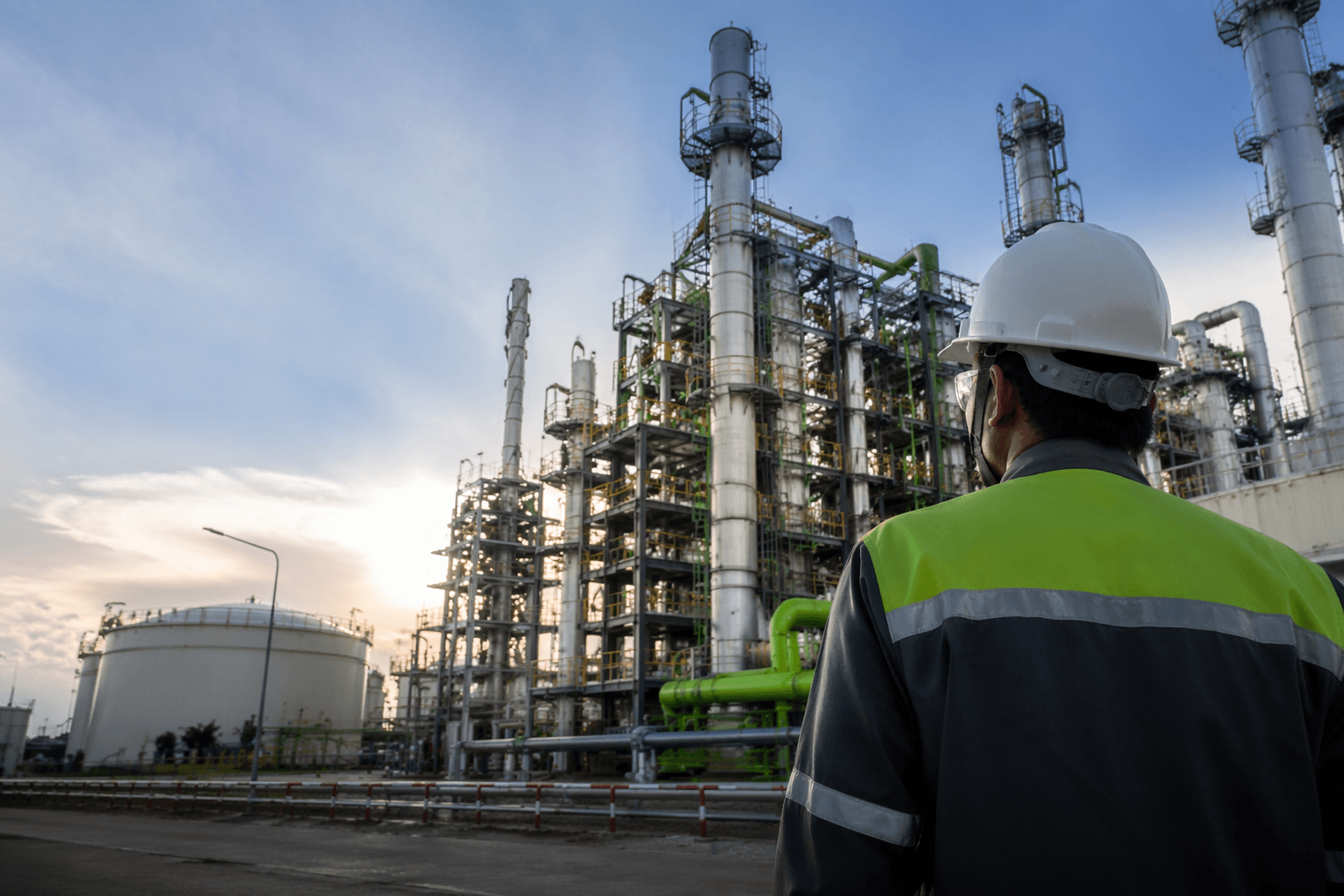
The site is about 30 kilometers east of Bangkok Suvarnabhumi Airport, a location that matters for jet fuel logistics. Bangchak first officially opened the SAF production unit on April 25, 2025, when Her Royal Highness Princess Maha Chakri Sirindhorn presided over the ceremony, then began plant-performance test runs in April 2026 before the commercial launch. Bangchak has also said the project is ready for export, and it flagged its first shipment to a global buyer for May 19, 2026.
That export posture is central to the economics. Thailand’s domestic aviation market can absorb some of the output, especially as early blending starts to take hold, but a 1 million-liter-a-day plant is large enough that overseas offtake will be needed if Bangchak expands production or if airlines ramp demand faster than local policy. For Thailand, the launch is less a ribbon-cutting than the first operating SAF supply line with certification, feedstock sourcing and airport proximity already in place.
The policy backdrop has started to move in Bangchak’s favor. Thailand’s Department of Energy Business set SAF standards effective January 1, 2026, aligned with ASTM D7566 and initially limited to HEFA production. Industry reporting has pointed to an initial 1 percent SAF blend target in 2026, while Thailand’s aviation sector has estimated that year’s SAF uptake could reduce international aviation emissions by about 60,000 tons of carbon dioxide equivalent.
Bangchak’s long-running used-cooking-oil collection effort, including its Fry to Fly campaign, gave it a domestic feedstock network before the SAF plant came online. That sourcing base, combined with export readiness, puts Thailand on the map as one of Southeast Asia’s first serious SAF producers rather than just a market talking about future capacity.
This article was produced by Prism’s automated news system from verified source data, official records, and press releases, then run through automated quality and moderation checks before publishing. The system is built and supervised by the people who set the standards it runs under. Read our full AI policy.
Know something we missed? Have a correction or additional information?
Submit a Tip