Pongamia emerges as promising feedstock for sustainable biofuels
Pongamia is moving from niche idea to field trials, as developers test whether degraded land can support SAF and renewable-diesel supply at scale.

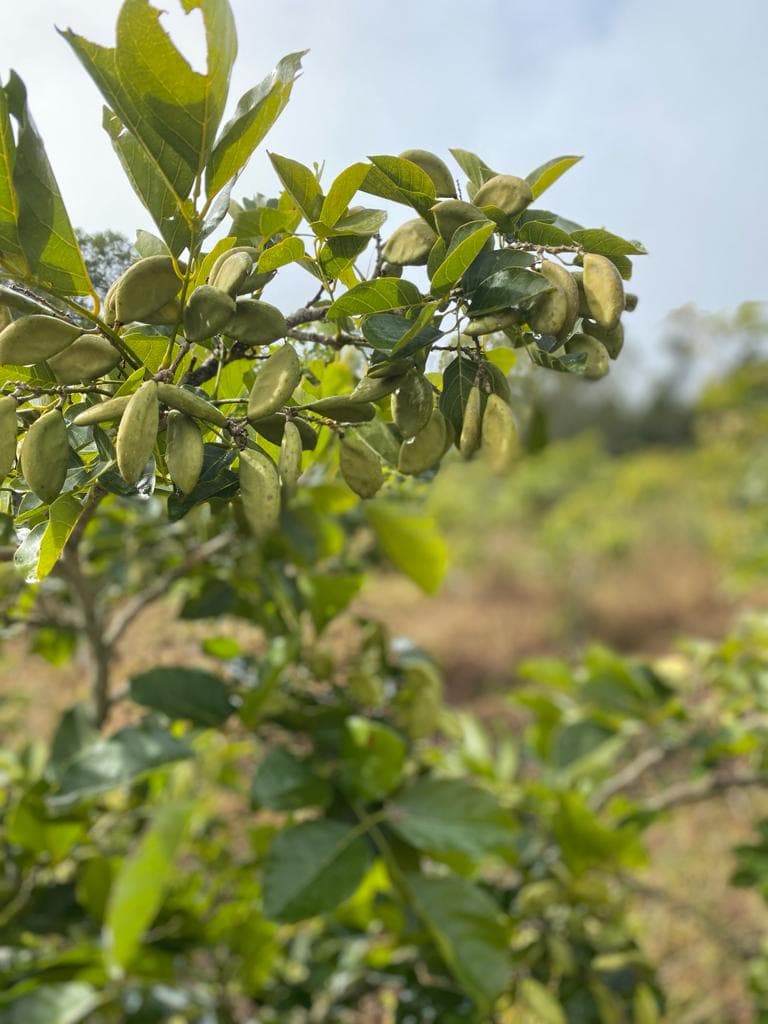
Canopy in January 2026 projected 75,000 metric tons of pongamia oil in 2035. Trial plantings in Australia, Madagascar and Indonesia pushed the crop closer to commercial supply. Pongamia is a perennial, carbon-sequestering tree that can grow on degraded land and widen feedstock options beyond contested used cooking oil and tallow streams.
Why pongamia is on the radar
The pitch for pongamia starts with land use. It is a subtropical tree native to countries such as India and Australia, and developers are treating it as a deliberately cultivated crop rather than a byproduct stream. Waste oils and fats are becoming harder to source at scale, and the next round of feedstock growth has to come from new acreage, better yields or both.
The crop also fits the broader push for feedstock security. Industry interest is centering on whether breeding, yield improvement and supply-chain integration can turn pongamia into a resilient input for renewable diesel and SAF. The industry will need more than collection networks and rendering capacity if it wants to keep expanding output.
Australia is being used as the first proving ground
Idemitsu Kosan said in January 2025 that it would begin trial planting pongamia in Queensland with Terviva and Stanmore Resources. The company said the work was intended to verify long-term cultivation methods and optimize the supply chain from cultivation through oil extraction and SAF production. Terviva said it has been researching and cultivating pongamia since 2010 and has work underway with farmers in Florida, Hawaii, India and Australia.
Rio Tinto followed in June 2025 with its own pongamia biofuel crop farming trial in Australia. The company said it had become Australia’s largest producer of pongamia trees and that it was planting in the Northern Territory and Queensland to reduce reliance on fossil diesel while fleet electrification matures.
The commercial scale case is getting more concrete
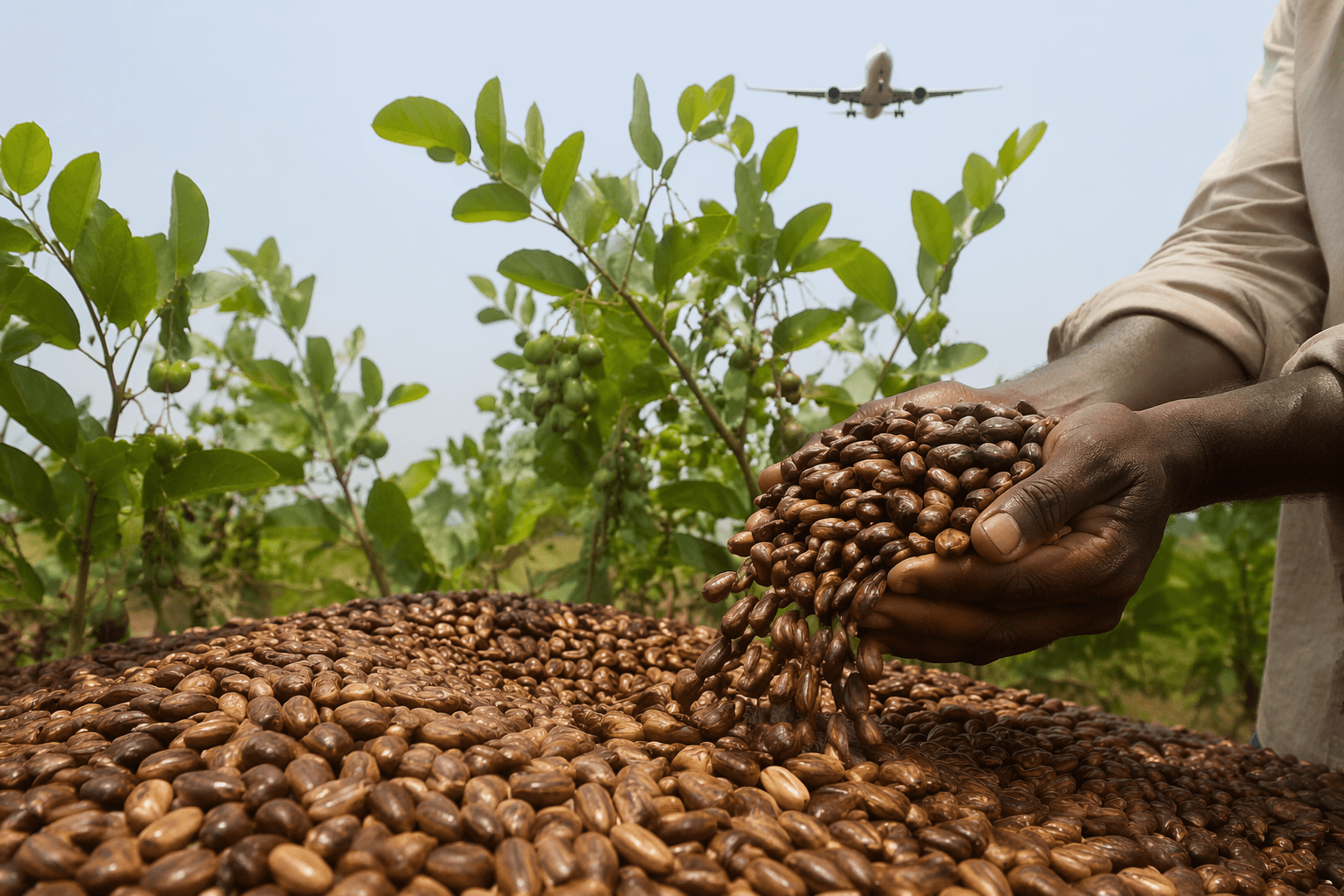
In January 2026, Canopy had already planted more than 1 million pongamia trees across Madagascar’s eastern coast, secured 14,000 hectares of additional land and was targeting 50,000 hectares by the mid-2030s.
That scale target is tied to a specific price view. Canopy’s business plan assumes pongamia oil in a used cooking oil-equivalent range of about $1,000 to $1,200 per metric ton. The company’s logic is that used cooking oil supply is structurally capped by collection and logistics constraints, which leaves room for tree crops if plantations can be established, harvested and processed efficiently enough to compete.
Land suitability is central to the investment case
Pongamia can open up land and value chains that are not useful for food production. A 2021 study estimated that Indonesia has about 14 million hectares of degraded and marginal land, which makes the country a natural test case for crops that can tolerate weaker soils. A 2025 preprint from Queensland found pongamia produced considerable biomass and showed strong carbon-sequestering potential even in nutrient-poor sites with low soil organic carbon.
Mitsui O.S.K. Lines, PT Hasnur Group Indonesia, Hanwa Co., Ltd., NH Foods Ltd., Four Pride Management Pte. Ltd. and SPIL Ventures are working on a five-year pilot from 2026 to 2031. The consortium plans to use about 10 hectares at a former coal mine site in Indonesia to collect growth data and assess pongamia as both a biofuel feedstock and a source of carbon credits.
The market is not just fuel, but carbon and restoration
The Indonesian pilot shows how pongamia is being packaged for more than one market at once. Developers are not only looking at renewable diesel and SAF, they are also testing whether the crop can support carbon-credit revenue on land that has been degraded by mining. That makes the economics more complex, but it also broadens the number of buyers who might support early plantations.
AgriFutures Australia has already backed pongamia research, including a preliminary economic study and a technical manual for establishing, managing and harvesting the crop.
Where pongamia can compete
The most immediate route to market is HEFA, where pongamia oil can be upgraded into renewable diesel and SAF using existing refinery pathways. That gives the crop a practical entry point, because it does not require a brand-new conversion technology before it can reach fuel buyers. Developers are also discussing pongamia as a source for livestock feed and carbon credits, although those side markets will depend on how the crop performs after oil extraction and how the supply chain is structured.
The bigger question is whether pongamia can clear several hurdles at once: cultivation economics, harvesting logistics, oil yield, processing compatibility and long-term market acceptance. The crop is still in a transitional phase between early domestication and pre-commercial deployment, which explains why the strongest projects so far are trials, pilots and acreage buildouts rather than full-scale commercial operations.
This article was produced by Prism’s automated news system from verified source data, official records, and press releases, then run through automated quality and moderation checks before publishing. The system is built and supervised by the people who set the standards it runs under. Read our full AI policy.
Know something we missed? Have a correction or additional information?
Submit a Tip