Biodiesel demand rises as renewables reshape global transport fuels
Biodiesel’s outlook is being set by mandates more than sentiment, with EPA’s 2026-2027 RFS rule forcing a sharp test of feedstocks and capacity.
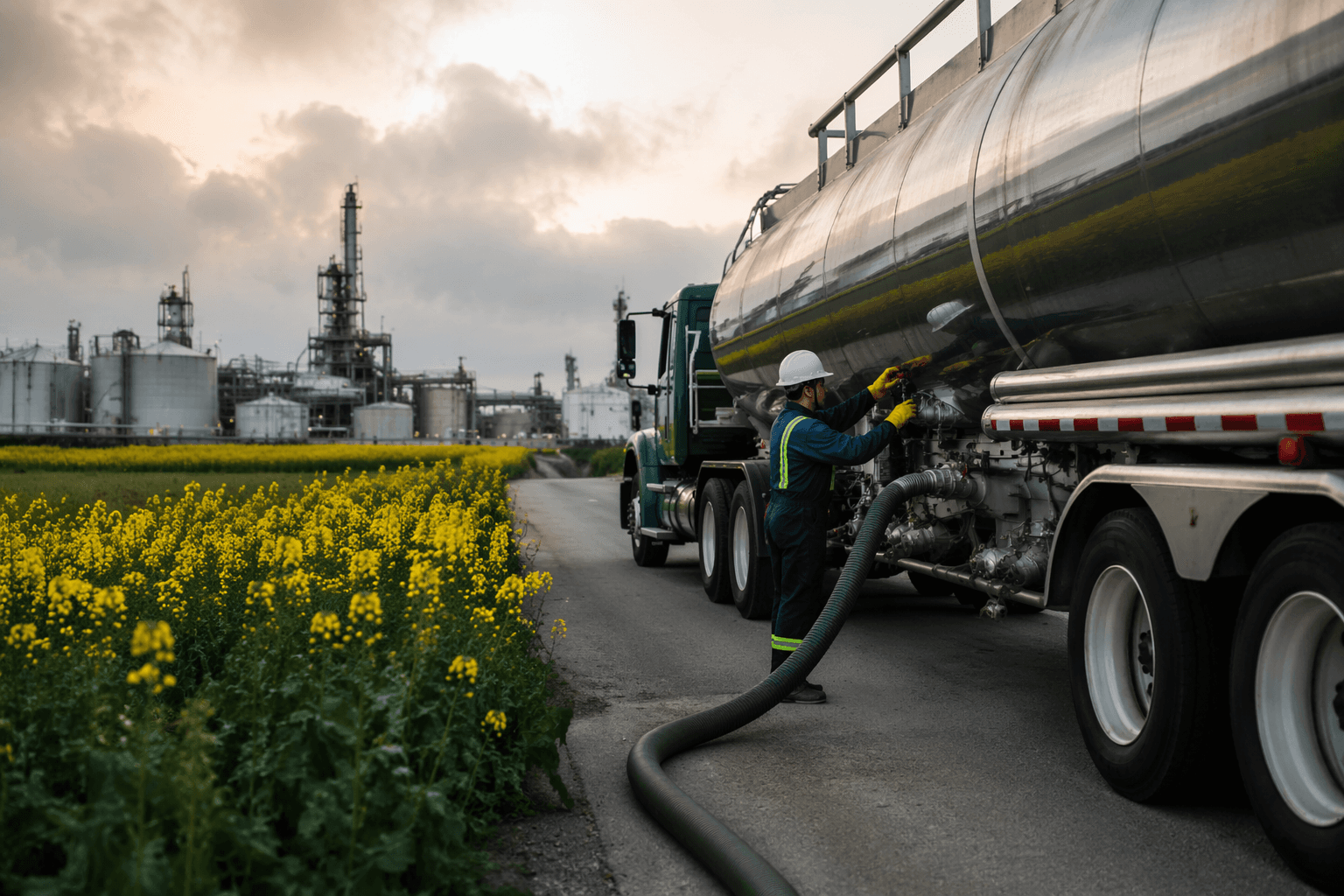
Biodiesel is moving deeper into the global energy transition, but the market is still being steered by policy more than by pure demand. The International Energy Agency puts renewable fuel demand in industry, buildings and transport at 22 EJ, about 5% of global energy demand in those sectors, while the U.S. Environmental Protection Agency on March 27 finalized 2026 and 2027 Renewable Fuel Standard volumes that would push biodiesel and renewable diesel production and use to rise by more than 60% versus 2025.
Policy is the forecast doing the heaviest lifting
The cleanest read on the biodiesel market is that the mandate is ahead of the physical market. EPA’s RFS is a national policy that requires a certain volume of renewable fuel to replace or reduce fossil fuel in transportation fuel, home heating oil or jet fuel, and the agency says the program is now in its 20th year. In its final 2026-2027 rule, EPA included 70% reallocation of small refinery exemptions granted for 2023 to 2025, a detail that matters because it tightens the compliance signal after several years of softer implementation.
That is why the rule has landed as a major demand event, not just a regulatory housekeeping item. EPA said the standards would drive renewed demand for American soybean producers, and a reporting summary of the final rule said the “Set 2” priorities would reduce U.S. dependence on foreign oil by roughly 300,000 barrels per day over 2026 and 2027. Industry and agriculture reactions followed the same logic, with the debate centered on stronger demand for soybean oil, biodiesel, renewable diesel and farm incomes rather than on ideology alone.
The demand side is real, but it is broader than biodiesel alone
The International Energy Agency’s outlooks show why biodiesel is not rising in isolation. In Renewables 2023, the IEA projected biofuel demand would expand by 38 billion litres from 2023 to 2028, a near 30% increase, with total biofuel demand rising to 200 billion litres by 2028. The agency also says modern solid bioenergy accounts for 75% of renewable fuel demand, liquid biofuels for 20% and biogases for 5%, which puts biodiesel in a meaningful but still minority slice of the wider renewable-fuels system.
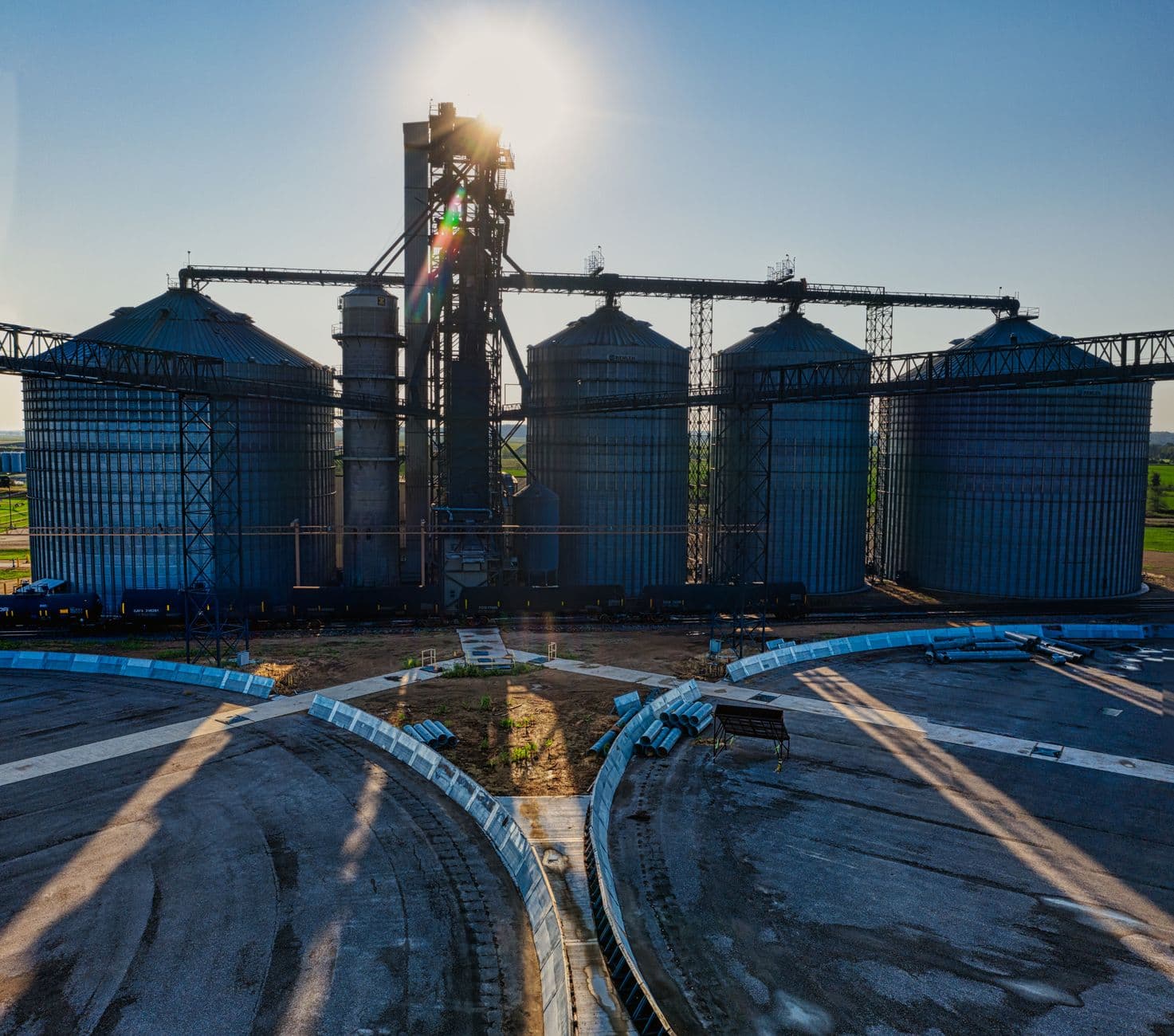
That matters for any forecast versus reality test. The bullish case assumes transport decarbonization keeps pulling liquid fuels into the mix, and the IEA’s 2024 and 2025 renewables outlooks support that view, projecting renewable energy use in transport to rise 50% by 2030 and overall renewable energy consumption across power, heat and transport to increase by nearly 60% over 2024 to 2030 in the main-case forecast. In other words, the demand story is not a niche biodiesel story, it is part of a broader shift in transport fuel policy and energy consumption.
Feedstocks are the first bottleneck to check
The hardest assumption in the bullish outlook is not demand, it is feedstock availability. The European Commission describes biofuels such as biodiesel and bioethanol as liquid transport fuels made from biomass, and says the European Union is working toward advanced biofuels made from sustainable feedstock. That phrasing is important because it signals that the future market is not just about more gallons, it is about which feedstocks can credibly qualify and scale.
EPA’s rule points in the same direction by tying stronger U.S. volumes to American soybean producers, which tells you where the pressure is likely to show up first. If the market expects more biodiesel and renewable diesel output without a matching increase in feedstock supply, the result is usually tighter oilseed balances, more competition among renewable diesel, biodiesel and other uses, and a sharper test of margins. The forecast assumes the feedstock system can absorb that pressure; the reality is that the supply chain still has to prove it.
Capital investment only follows if the signal holds
The second assumption is capital investment, and this is where mandates can outrun metal. EPA can require higher volumes, but plants, terminals, blending systems and logistics still need to keep pace. The IEA’s long-range outlook suggests renewable fuels will remain structurally important, yet that does not guarantee the pace or location of new biodiesel or renewable diesel capacity.
That is why the March 27 rule matters beyond its headline percentages. A more durable compliance target usually improves the case for new processing capacity, better blending infrastructure and feedstock logistics, but those investments only come if market participants believe the rule will survive implementation and enforcement. The 70% reallocation of small refinery exemptions helps on that front, because it makes the mandate look less like a paper target and more like a real volume requirement.
Transport demand supports the thesis, but it is not the whole market
Transport demand is the part of the outlook that lines up most cleanly with the published forecasts. The IEA’s expectation that renewable energy use in transport will rise 50% by 2030, along with the broader nearly 60% increase in renewable energy consumption across power, heat and transport from 2024 to 2030, suggests that policy makers are not treating liquid biofuels as a bridge fuel by accident. They are building them into the energy transition.
Still, biodiesel’s place in that transition depends on whether the market can clear the practical hurdles faster than the rules tighten. The European Union’s focus on advanced biofuels made from sustainable feedstock shows how quickly policymakers are narrowing the acceptable supply base. In the United States, EPA’s 2026-2027 RFS final rule shows how quickly volumes can be pulled upward when policy is aligned. The forecast is strong on demand and regulation. The reality check is feedstocks, capital and execution, and those are the variables that will decide how much of the promised growth becomes actual barrels.
This article was produced by Prism’s automated news system from verified source data, official records, and press releases, then run through automated quality and moderation checks before publishing. The system is built and supervised by the people who set the standards it runs under. Read our full AI policy.
Know something we missed? Have a correction or additional information?
Submit a Tip