Brazil approves higher ethanol blend in gasoline to cut prices, emissions
Brazil moved gasoline to E30 and diesel to B15, a stress test for a mature ethanol market that could trim pump prices by BRL 0.13 a liter.
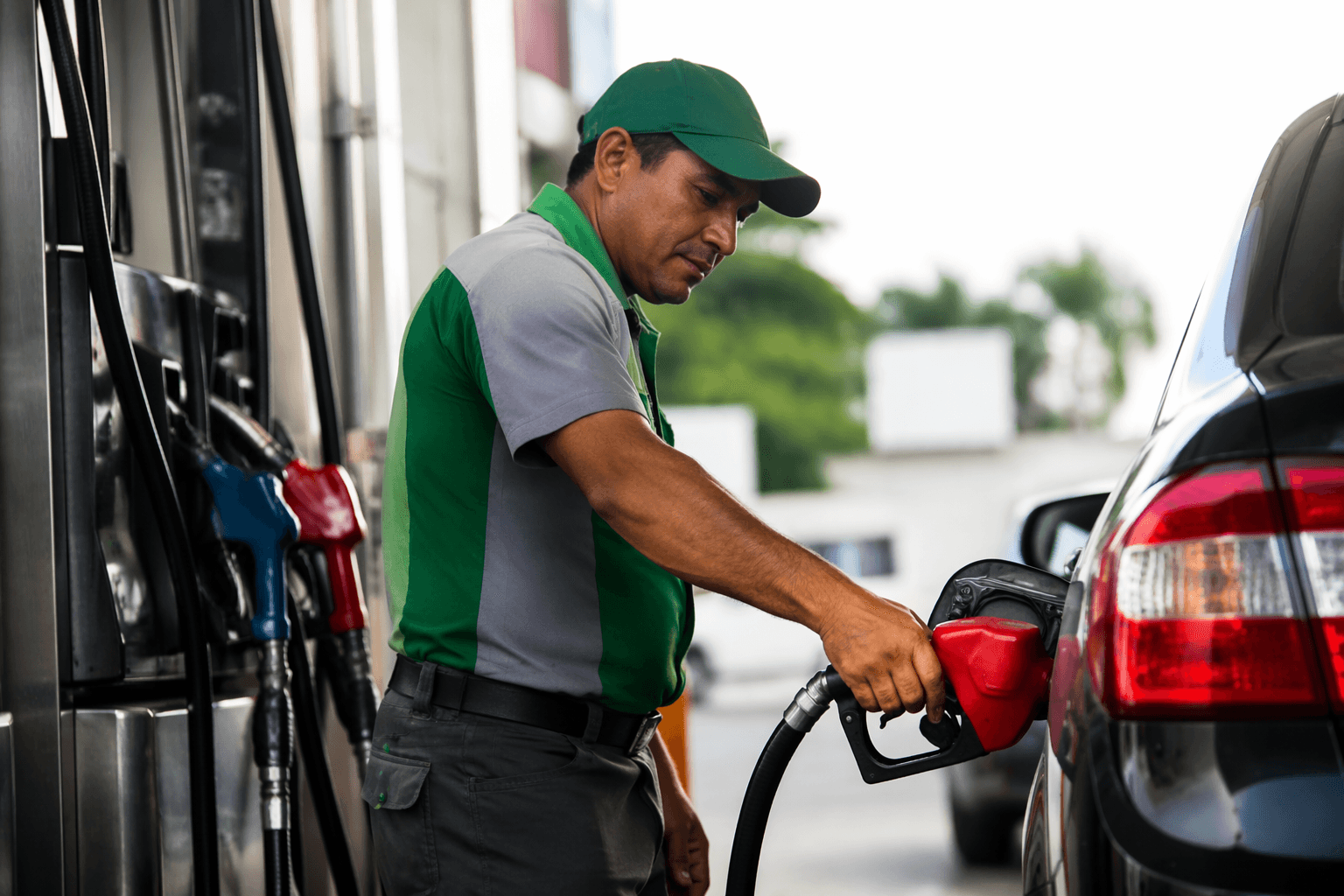
Brazil’s National Energy Policy Council on June 25 approved a jump in the mandatory ethanol blend in gasoline from 27% to 30%, a move the government said could cut pump prices, reduce emissions and end the country’s need to import gasoline at current production levels. The E30 rule took effect on August 1, alongside a biodiesel increase to B15, putting one of the world’s most established blending systems through a fresh test of fuel quality, engine compatibility and feedstock supply.
The Ministry of Mines and Energy said the higher blend could lower gasoline prices by as much as BRL 0.13 per liter and cut greenhouse-gas emissions by 1.7 million tons a year. Government materials also projected a drop of up to 1.36 billion liters in gasoline-A demand and a rise of as much as 1.46 billion liters in anhydrous ethanol demand, numbers that underline how quickly the policy could shift refinery, import and tank-farm balances. Alexandre Silveira, Brazil’s mines and energy minister, said the measure would make Brazil independent of gasoline imports, a sharp statement for a country that has relied on imports for 15 years.
The legal runway for the change came from the Fuel of the Future law, which allows ethanol content in gasoline to rise as high as 35% if technical feasibility is proven. The Ministry said the E30 discussion gathered momentum in 2023, then technical studies showed the blend was viable on both environmental and engineering grounds. Those tests were monitored by ANFAVEA, SINDIPEÇAS, ABRACICLO and ABEIFA, a sign that automakers, parts suppliers and importers were watching closely for any risk to drivability or warranty performance.
The Instituto Mauá de Tecnologia concluded E30 was technically and environmentally viable, clearing a major hurdle for retailers and fuel distributors. The Agência Nacional do Petróleo, Gás Natural e Biocombustíveis issued guidance to fuel retailers ahead of the rollout, while updated gasoline specifications were adjusted to support the higher-octane blend associated with E30. Some distributors had already rushed gasoline imports before the change, even as others said they would keep buying abroad if the economics still favored it.
The policy landed as a win for renewable-fuels advocates and ethanol producers, particularly corn-ethanol interests, which saw the higher blend as a new demand outlet in a market where stagnant sugarcane ethanol output had made supply growth harder to deliver. For Brasília, the E30 and B15 approvals fit a wider energy-transition push, with Brazil using its COP30 year to lean harder into domestic biofuels and lower fossil-fuel dependence rather than treating higher mandates as automatic progress.
This article was produced by Prism’s automated news system from verified source data, official records, and press releases, then run through automated quality and moderation checks before publishing. The system is built and supervised by the people who set the standards it runs under. Read our full AI policy.
Know something we missed? Have a correction or additional information?
Submit a Tip