Clean Fuels touts RFS rule’s farm and rural economic boost
EPA’s new RFS rule could lift net farm income by up to $4 billion, with Clean Fuels saying it underpins 4.3 billion bushels of soybean value.
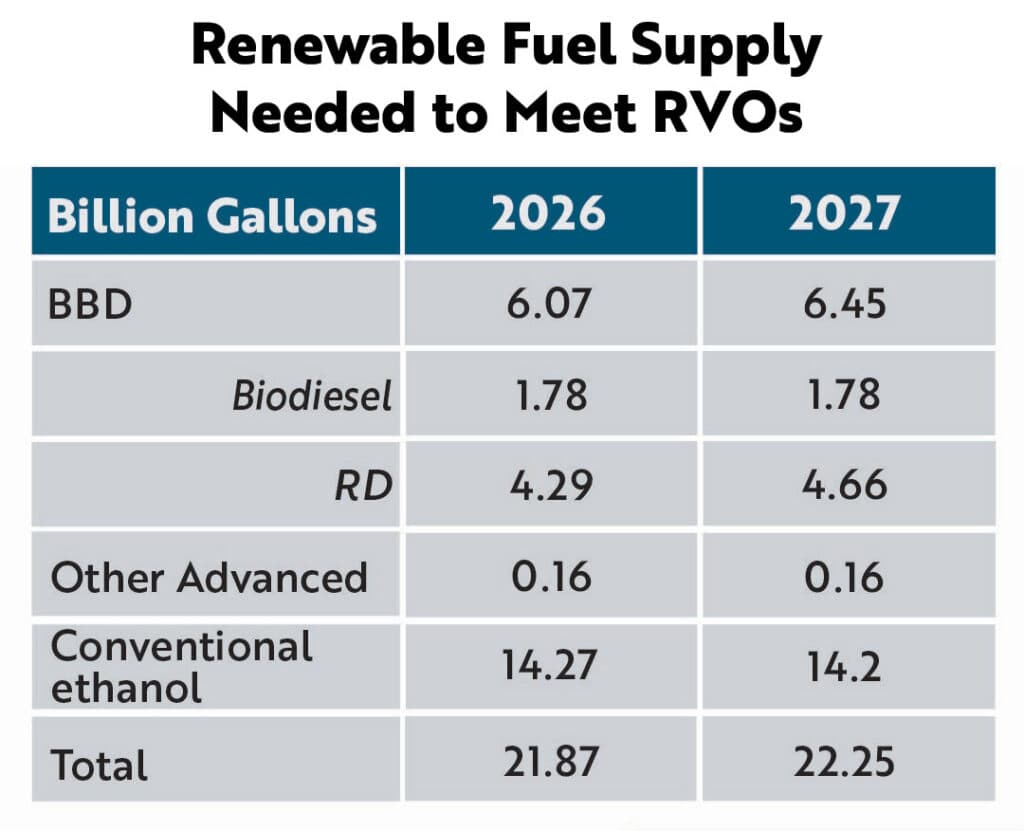
Clean Fuels Alliance America on June 15 said EPA’s new RFS volumes could lift net farm income by $3 billion to $4 billion and support more than 100,000 jobs.
The Environmental Protection Agency finalized the 2026-2027 “Set 2” rule on March 27 and said it set the highest renewable fuel volume requirements in program history. EPA said the rule took effect June 15, would generate more than $10 billion for rural economies, and would require biomass-based diesel production and use to rise by more than 60% versus 2025 levels. The agency also said the new standards would support a $31 billion value for American corn and soybean oil for biofuel production in 2026.
Clean Fuels pressed that case in a March 17 letter to President Donald J. Trump, signed by Clean Fuels Alliance America, the American Soybean Association, the National Energy & Fuels Institute, the National Oilseed Processors Association, the North American Renderers Association and the U.S. Canola Association. The groups said the industry had built more than 6.5 billion gallons of domestic fuel production capacity, produced more than 5 billion gallons in 2024, and supported 107,400 jobs and $42.4 billion in annual economic activity. They also said nearly a third of the industry was idled by regulatory delays and market uncertainty.

The letter said the sector could quickly ramp an estimated 1.8 billion gallons of biodiesel and renewable diesel capacity, equal to 3% of U.S. diesel supply. Clean Fuels said that output would help blunt diesel market disruption tied to global oil shocks and higher prices, while keeping more of the fuel supply away from overseas chokepoints such as the Strait of Hormuz.
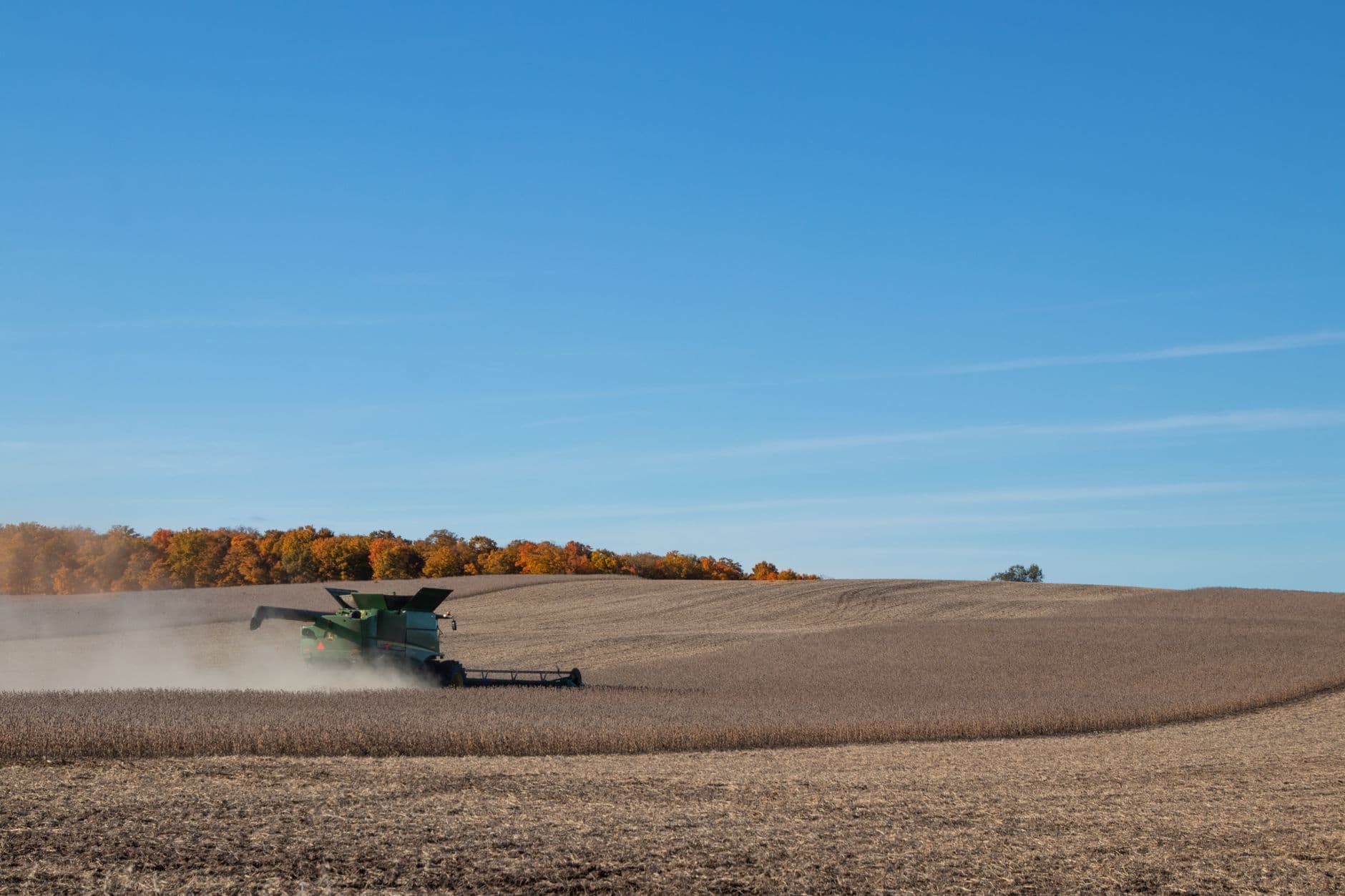
For soy growers, Clean Fuels said biodiesel, renewable diesel and SAF production represents 10% of the value of every bushel of soybeans grown in the United States. The group said that was worth $1.10 per bushel in 2024 and amounted to 4.3 billion bushels in the most recent marketing year, tying the rule directly to soybean demand and crush margins in farm country.
EPA’s June 13, 2025 proposal had already pointed to 7.12 billion RINs for biomass-based diesel and 9.02 billion RINs for overall advanced biofuels in 2026, rising to 7.5 billion and 9.46 billion in 2027. Clean Fuels said in a May 22, 2025 letter that B20 had averaged $0.14 below diesel since 2021, domestic feedstocks could support 5.3 billion gallons of biofuel production in 2026 and 6.7 billion by 2030, and the prior 2023-2025 standards had contributed to plant shutdowns, idling and layoffs. The rule now gives farm-state allies a bigger number set to defend, but it also sets up a harder fight over whether those gains can survive refinery compliance costs and another turn in policy uncertainty.
This article was produced by Prism’s automated news system from verified source data, official records, and press releases, then run through automated quality and moderation checks before publishing. The system is built and supervised by the people who set the standards it runs under. Read our full AI policy.
Know something we missed? Have a correction or additional information?
Submit a Tip