Exolum upgrades Madeira airport fuel network for sustainable aviation fuel
Exolum took over Madeira’s fuel farm and hydrant system, with a €4.5 million upgrade lifting storage to 1,300 m³ for SAF handling by 2029.
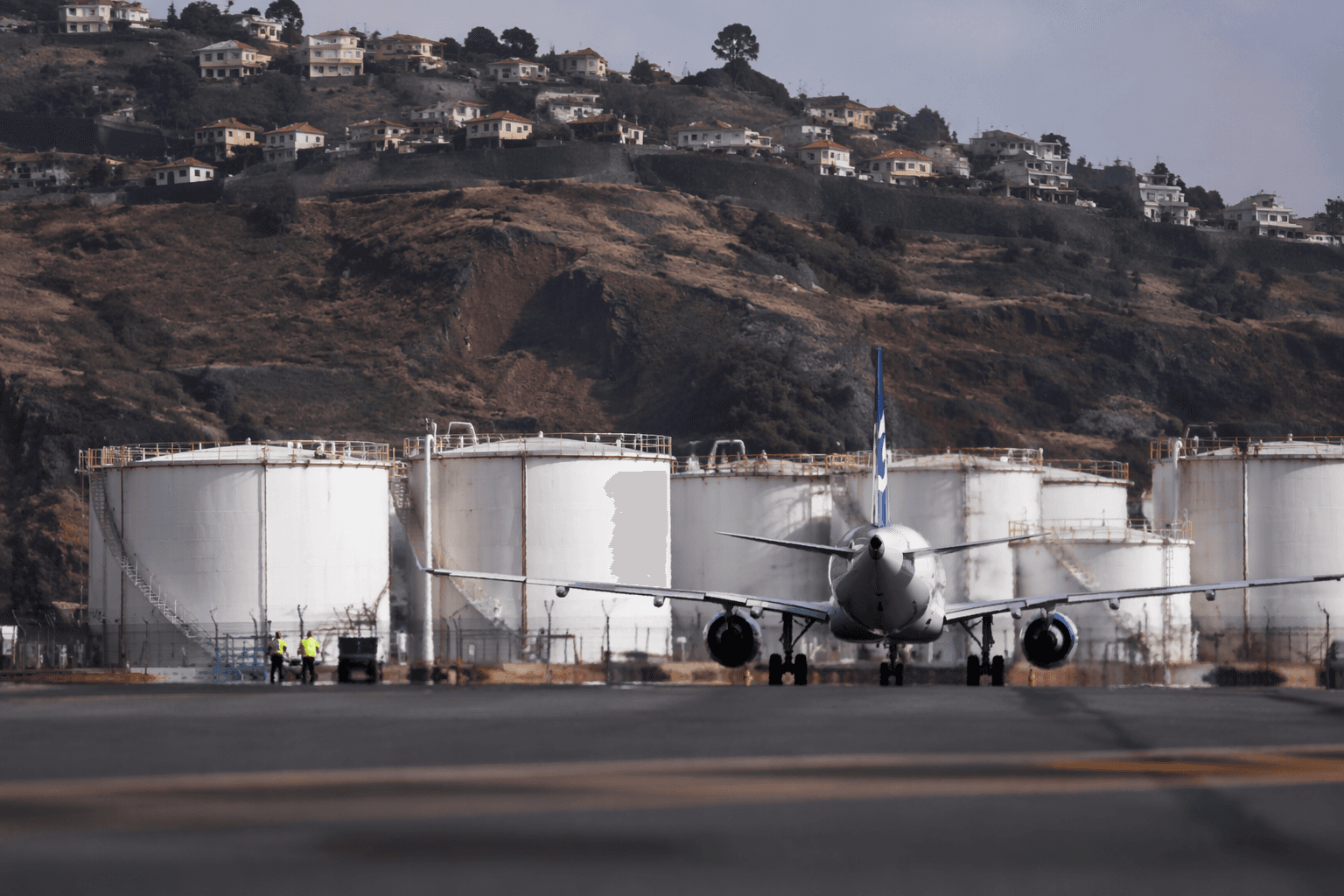
Exolum on June 4 began operating Madeira's aviation fuel farm and hydrant network at Cristiano Ronaldo International Airport, managed by ANA Aeroportos de Portugal, part of VINCI Group. The company will invest more than €4.5 million through 2029 to expand the site, lift storage capacity to 1,300 m³ and prepare the airport for sustainable aviation fuel.
The seven-year contract, which can be extended to nine years, puts Exolum in charge of six horizontal tanks and a hydrant system that runs more than one kilometre and has 32 supply points. The planned works include new tanks, upgrades to existing infrastructure and new control and safety systems, a package aimed at keeping jet fuel moving while giving the airport more room to handle a more complex fuel mix. Exolum said the expansion should raise fuel autonomy to five days, a useful buffer for an island market where supply disruptions can quickly hit tourism, cargo and essential connectivity.

The move comes as Madeira Airport continues to run at high throughput. ANA Aeroportos de Portugal said Madeira Airports handled more than 5.7 million passengers in 2025 and posted an average occupancy rate of 85.2 percent. The Regional Directorate of Statistics of Madeira said the islands' airports moved 584,500 passengers in August 2025 alone, up 18.1 percent year on year, with 3,823 commercial flights. That traffic load makes storage, hydrant reliability and turnaround continuity more than back-office issues, especially when airlines and fuel suppliers need dependable throughput at a regional airport with limited slack.
The project also fits the wider policy backdrop in Portugal and the European Union. The Portuguese government has said it wants the country to become a major SAF producer, and environment minister Maria da Graça Carvalho said several companies had shown interest in SAF production projects. In the European Union, airlines began a 2 percent SAF blending obligation on January 1, 2025. That obligation only translates into higher physical SAF use if airports have the tanks, pumps, controls and hydrants to receive and distribute the fuel without disrupting routine operations.
For Exolum, Madeira is a test case for SAF-ready airport logistics. The company specializes in aviation fuel storage and hydrant-network management, and the island buildout shows how terminals and underground distribution systems have to move first if airlines are to scale low-carbon fuel use later.
This article was produced by Prism’s automated news system from verified source data, official records, and press releases, then run through automated quality and moderation checks before publishing. The system is built and supervised by the people who set the standards it runs under. Read our full AI policy.
Know something we missed? Have a correction or additional information?
Submit a Tip