Fastmarkets delays European SAF production cost assessments after reporter error
Fastmarkets pushed back two Netherlands SAF production cost assessments after a reporter error, leaving the market without a key HEFA price signal in a tight EU market.
Fastmarkets delayed publication of its ex-works Netherlands sustainable aviation fuel cost-of-production assessments on June 5 after a reporter error, a disruption that briefly took two closely watched SAF reference points out of the market. The affected benchmarks were AG-SAF-0004, Sustainable aviation fuel, base cost, exw Netherlands, and AG-SAF-0005, Sustainable aviation fuel, HVO max, base cost, exw Netherlands.
The assessments sit inside Fastmarkets’ aviation and biofuels, fats and oils packages and are built on the company’s European SAF methodology, which it launched on June 27, 2025. That framework tracks HEFA-based production using used cooking oil as feedstock, with inputs that include used cooking oil prices, a Netherlands hydrogen steam methane reforming estimate and fixed costs. Fastmarkets said its pricing database has now been updated, but the interruption underscored how dependent the market has become on a narrow set of cost signals for HEFA-derived SAF in Northwest Europe.
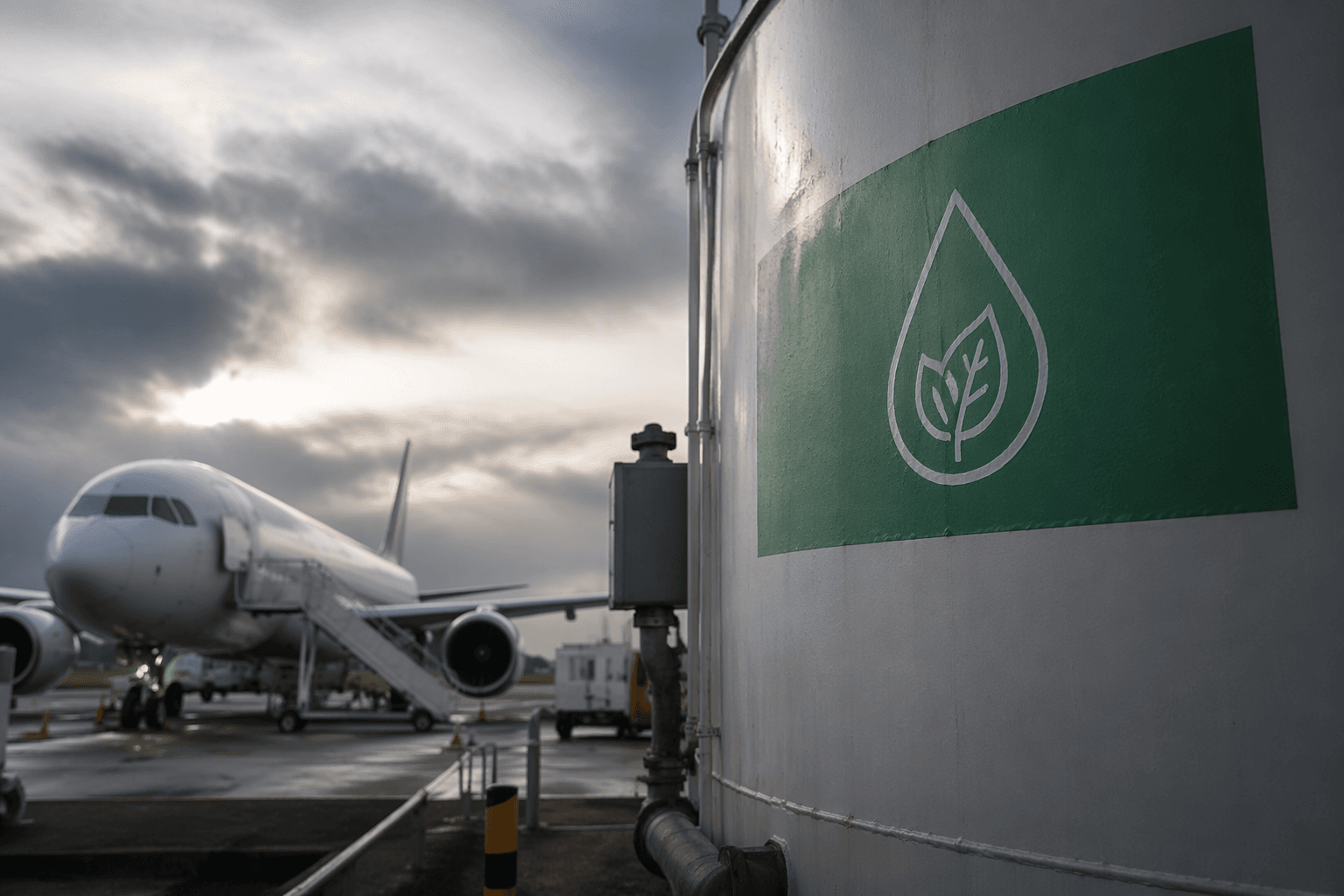
The timing matters. ReFuelEU Aviation became applicable from January 2025, with fuel suppliers required to start at a 2% SAF blend in 2025 before obligations rise to 6% by 2030 and 70% by 2050. The European Union Aviation Safety Agency has said the EU SAF market is still in transition, with global SAF production equal to just 0.53% of jet fuel use in 2024, up from 0.2% in 2023. EASA also said annual SAF production capacity in the EU is just above 1 million tonnes, and almost all of it is HEFA-based.
That shortage of supply makes production-cost assessments more than a pricing curiosity. The European Commission said in a February 27, 2025 report on SAF flexibility that SAF remains significantly more expensive than fossil jet fuel, with price variation ranging from 1.5 times to 10 times higher. The same report said the flexibility mechanism is designed to let suppliers average SAF supply across Union airports rather than deliver physical volumes at every airport, a structure that leaves traders, project developers and airlines leaning heavily on credible benchmark pricing as they line up offtake, compliance and investment decisions.
Pressure on those decisions has been building. IATA said in May 2025 that the average SAF compliance fee it observed was about $54 per tonne of jet fuel, versus about $22 per tonne based on current SAF market prices, and estimated excess surcharges could cost European airlines about $1.3 billion in 2025. In March 2026, Airlines for Europe and the European Regions Airline Association called for changes to ReFuelEU Aviation rules. Fastmarkets also discontinued two European SAF assessments on April 30 after Dutch HBE-IXB credits stopped applying to SAF blending into fossil jet fuel, removing another pricing input just as the Netherlands phases in RED III and the Dutch Emissions Authority closed its final renewable fuel unit year-end process on May 1.
This article was produced by Prism’s automated news system from verified source data, official records, and press releases, then run through automated quality and moderation checks before publishing. The system is built and supervised by the people who set the standards it runs under. Read our full AI policy.
Know something we missed? Have a correction or additional information?
Submit a Tip