Germany's UFOP warns EU soybean land-use proposal could backfire
UFOP said the EU’s high-iLUC soy plan would phase soybean biofuels out by 2030, even as Brussels presses a protein-strategy agenda.
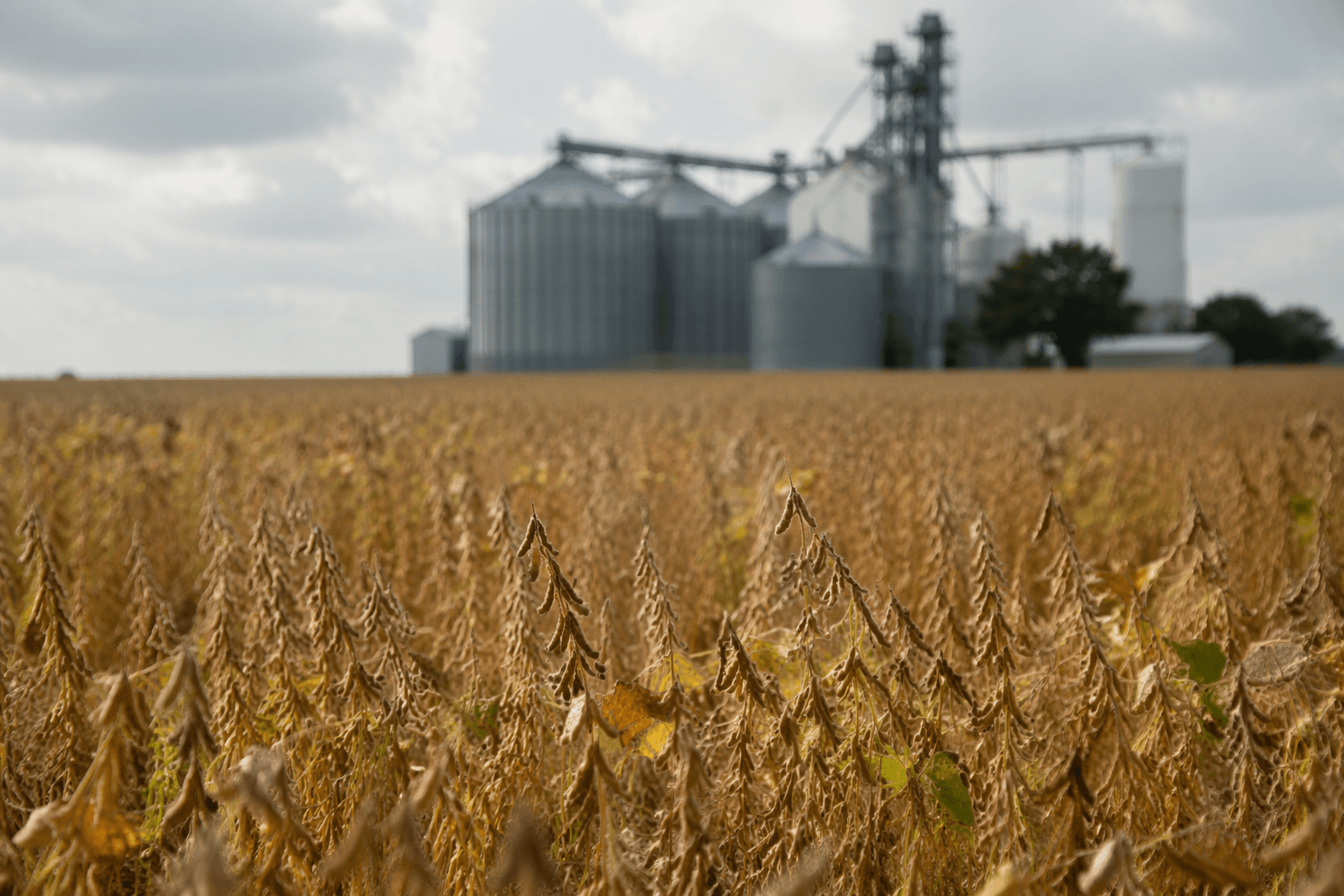
UFOP on 4 February said the European Commission’s plan to classify soybeans as a high indirect land-use change, or high-iLUC, feedstock would phase soybean-based biofuels out of EU renewable transport targets by 2030. The German oilseed group said the move rests on the wrong market logic and could penalize a crop that is central to protein supply, crush economics and feedstock planning.
UFOP’s core argument is that soybean markets are driven primarily by the value of the protein fraction, not by the oil fraction used in biofuels. In its view, treating soy oil demand as the main driver of deforestation or land conversion oversimplifies how farmers and crushers decide what to plant and process, and it risks missing the real causes of land-use change. The group also said added demand for soy oil from the energy sector would support European soybean cultivation, strengthen domestic protein supply and reduce reliance on imports.
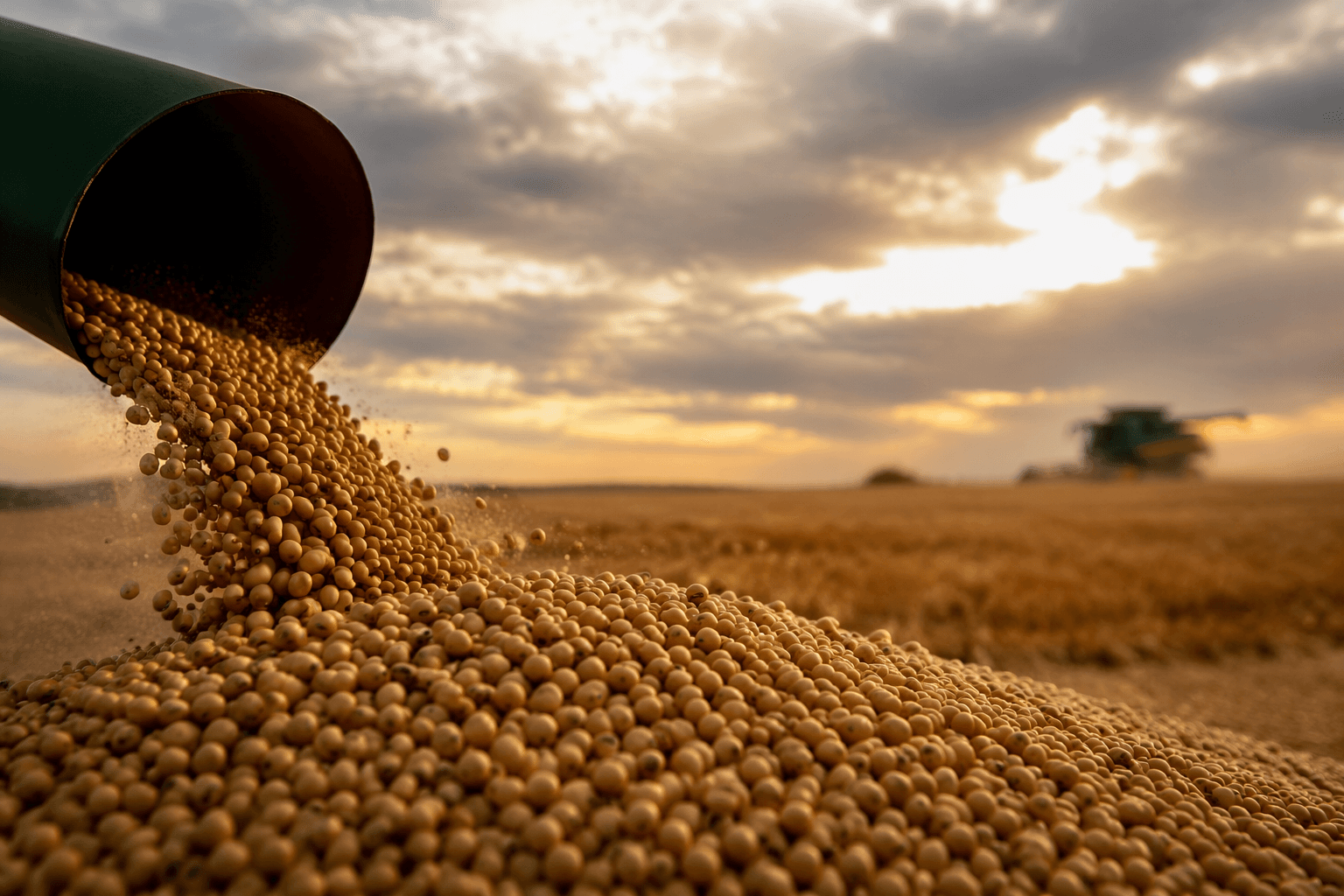
That argument lands in a market where feedstock competition is already tight. Waste oils, animal fats and crop oils are all being pulled into road fuel, renewable diesel and SAF at the same time, which leaves EU policy choices to shape not just compliance pathways but also what farmers plant and what crushers can justify economically. USDA Foreign Agricultural Service said the United States exported soybeans valued at $2.2 billion to the European Union in 2025, underscoring how much Europe still relies on outside supply.
The Commission adopted the delegated regulation on 10 April 2026, updating the methodology and data used under Delegated Regulation 2019/807. The text now goes to the European Parliament and the Council of the European Union, both of which can object to delegated acts before it becomes law. USDA FAS said the methodological change would gradually phase soybean-based biofuels out of the EU renewable transport target by 2030.
The political backdrop is already set. The European Parliament adopted a resolution on a European protein strategy on 19 October 2023, and the European Commission presented its Vision for Agriculture and Food on 19 February 2025, both of which stressed resilience, competitiveness and stakeholder dialogue. A coalition statement on 21 May from European oilseed and protein-sector groups said the high-iLUC delegated regulation imperils Europe’s protein ambitions and urged objections in the Parliament and Council.
Transport & Environment has argued the opposite, saying soy biofuels should be phased out because of indirect land-use change, deforestation, CO2 emissions and biodiversity loss. That leaves the current fight over whether Brussels is reading the science of land use correctly, or still leaning on a feedstock label that could distort markets and narrow Europe’s low-carbon fuel options.
This article was produced by Prism’s automated news system from verified source data, official records, and press releases, then run through automated quality and moderation checks before publishing. The system is built and supervised by the people who set the standards it runs under. Read our full AI policy.
Know something we missed? Have a correction or additional information?
Submit a Tip