KAUST researchers hit record efficiency converting CO2 into jet fuel components
KAUST and Aramco said a copper-rich catalyst kept about 75% of liquid product in jet-fuel range after more than 1,000 hours of CO2 conversion.
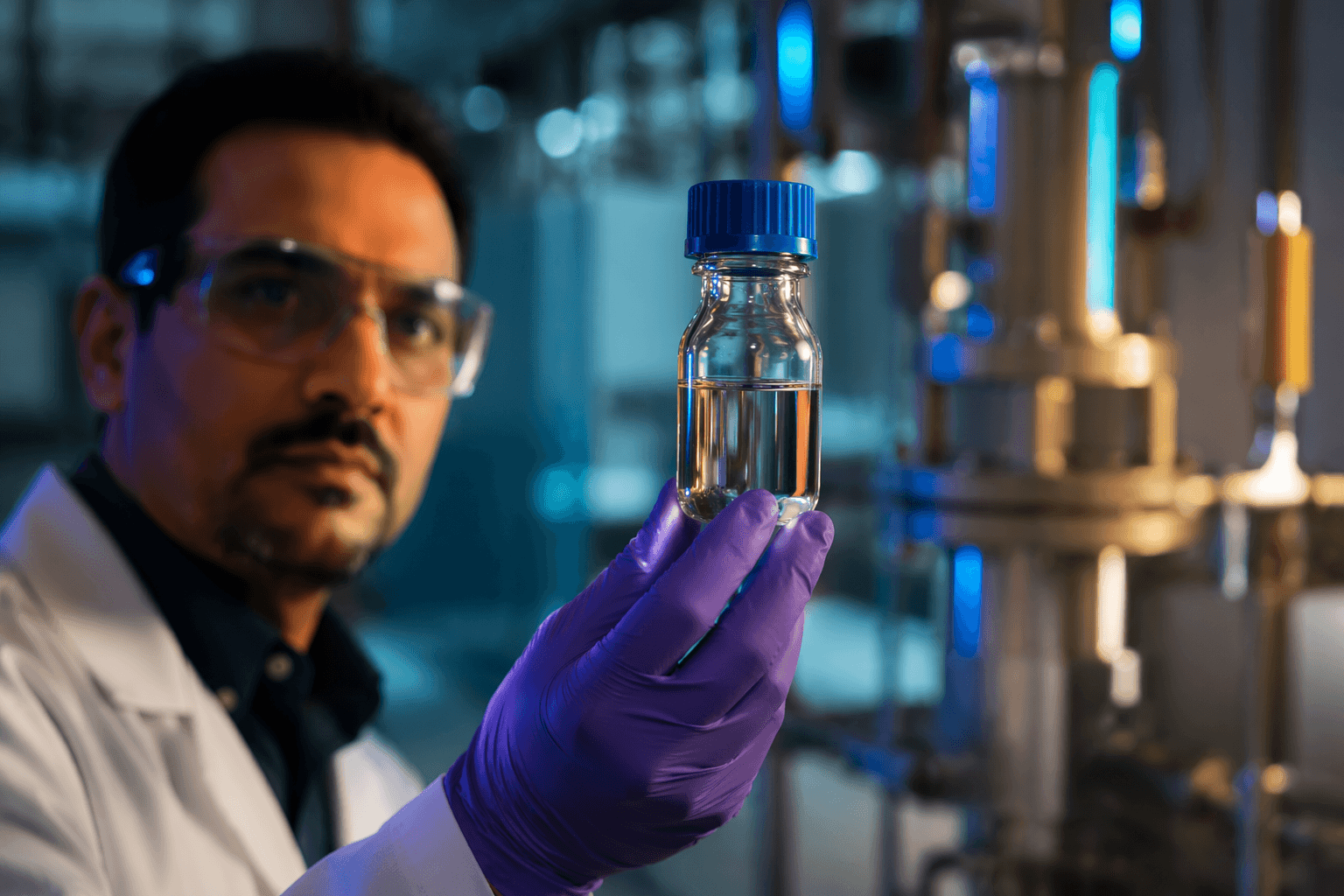
KAUST researchers on June 9 reported the highest reported efficiency yet for turning carbon dioxide into jet fuel-range hydrocarbons, with about 75% of the liquid product landing in the jet-fuel cut. The work, published in ChemCatalysis, also showed the catalyst running for more than 1,000 hours and producing fuel that cleared prescreening checks aligned with ASTM D4054, including flash point, volatility profile and energy content.
The team at King Abdullah University of Science and Technology in Thuwal, Saudi Arabia, worked with Aramco researchers to identify an unconventional copper-rich catalyst formulation. They used machine learning alongside high-throughput experimentation to search complex reaction conditions and land on a composition that outperformed more commonly studied catalysts for direct CO2 conversion. Jorge Gascon of KAUST said the approach showed how data-driven methods can speed catalyst discovery and push performance to levels not previously reported for direct CO2-to-fuel chemistry.
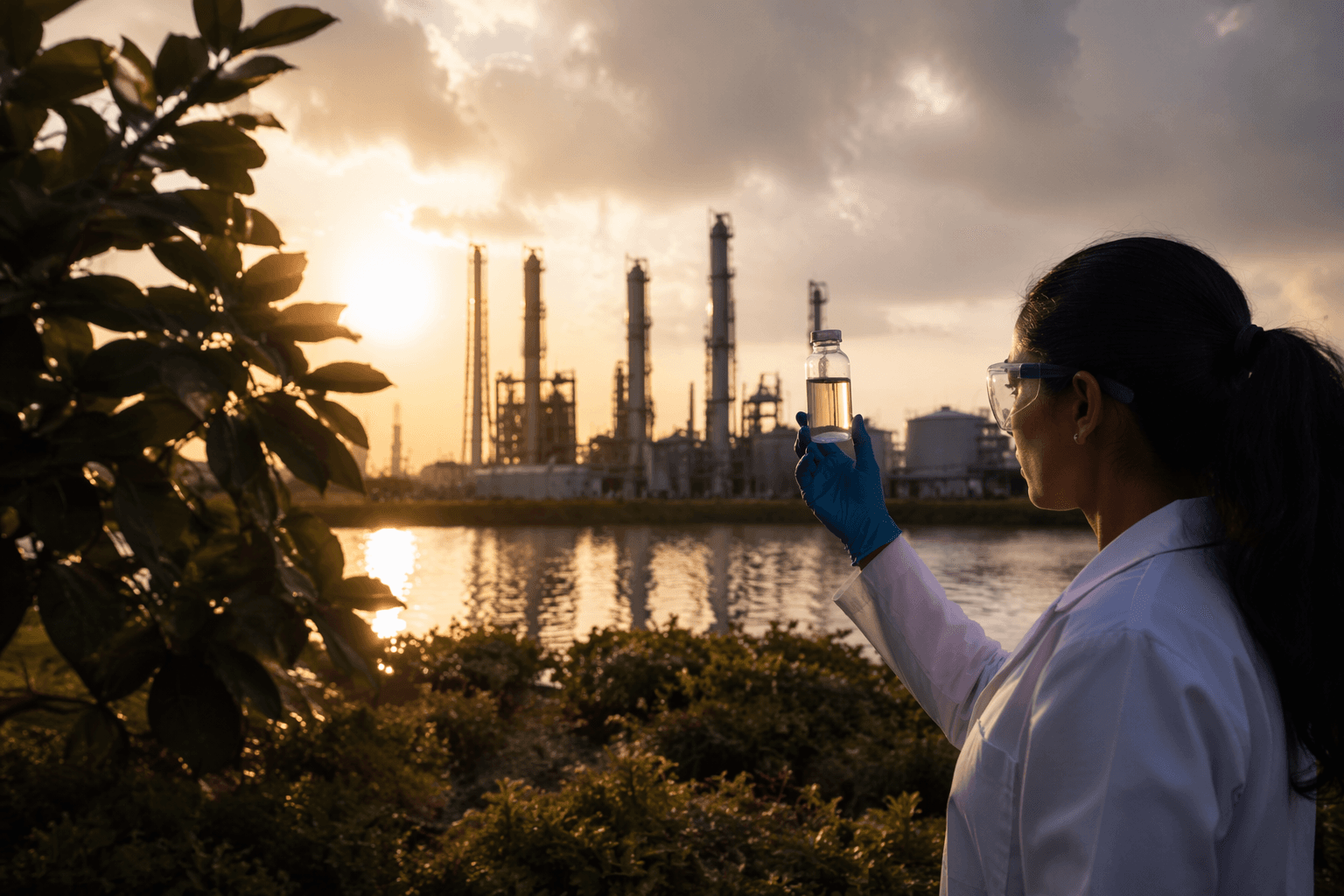
The result sits at the center of the breakthrough-versus-bankability debate for synthetic aviation fuels. Aviation remains hard to abate because it depends on high-energy liquid fuels, and many CO2-to-fuel routes tend to favor lighter hydrocarbons or require multiple processing steps before they resemble jet fuel. By shifting more of the output into the heavier fraction needed for aviation, KAUST and Aramco moved the chemistry closer to a usable SAF component, but the passage from lab result to commercial route still runs through scale, durability and full fuel qualification.
The 1,000-hour stability run matters because catalyst life is one of the first screens for industrial implementation. So does the ASTM D4054 prescreening, which suggests the upgraded fuel is already landing in the performance window refiners and engine makers need to keep moving through certification. The next commercial hurdle is proving that the process can hold that selectivity and energy profile at larger throughput, with costs and power demand that can compete with HEFA, alcohol-to-jet and emerging e-SAF routes.
That scale question remains central to aviation policy targets. The U.S. Department of Energy says the SAF Grand Challenge aims for 3 billion gallons of SAF by 2030 and 35 billion gallons by 2050, with at least a 50% life-cycle greenhouse-gas reduction versus conventional fuel. Airbus said its 2024 ECLIF3 work found that 100% SAF cut soot particle emissions and reduced contrail ice-crystal formation, with model simulations showing at least a 26% drop in contrail climate impact. KAUST’s catalyst does not close those gaps on its own, but it gives the sector a more durable route to jet-fuel molecules from CO2, which is the kind of advance that could eventually matter only if it scales.
This article was produced by Prism’s automated news system from verified source data, official records, and press releases, then run through automated quality and moderation checks before publishing. The system is built and supervised by the people who set the standards it runs under. Read our full AI policy.
Know something we missed? Have a correction or additional information?
Submit a Tip