Kuehne+Nagel and Google Cloud to cut air freight emissions with SAF
Kuehne+Nagel lined up up to 5.2 million litres of SAF for Google Cloud freight in 2026, targeting 12,600 tonnes of CO2e.
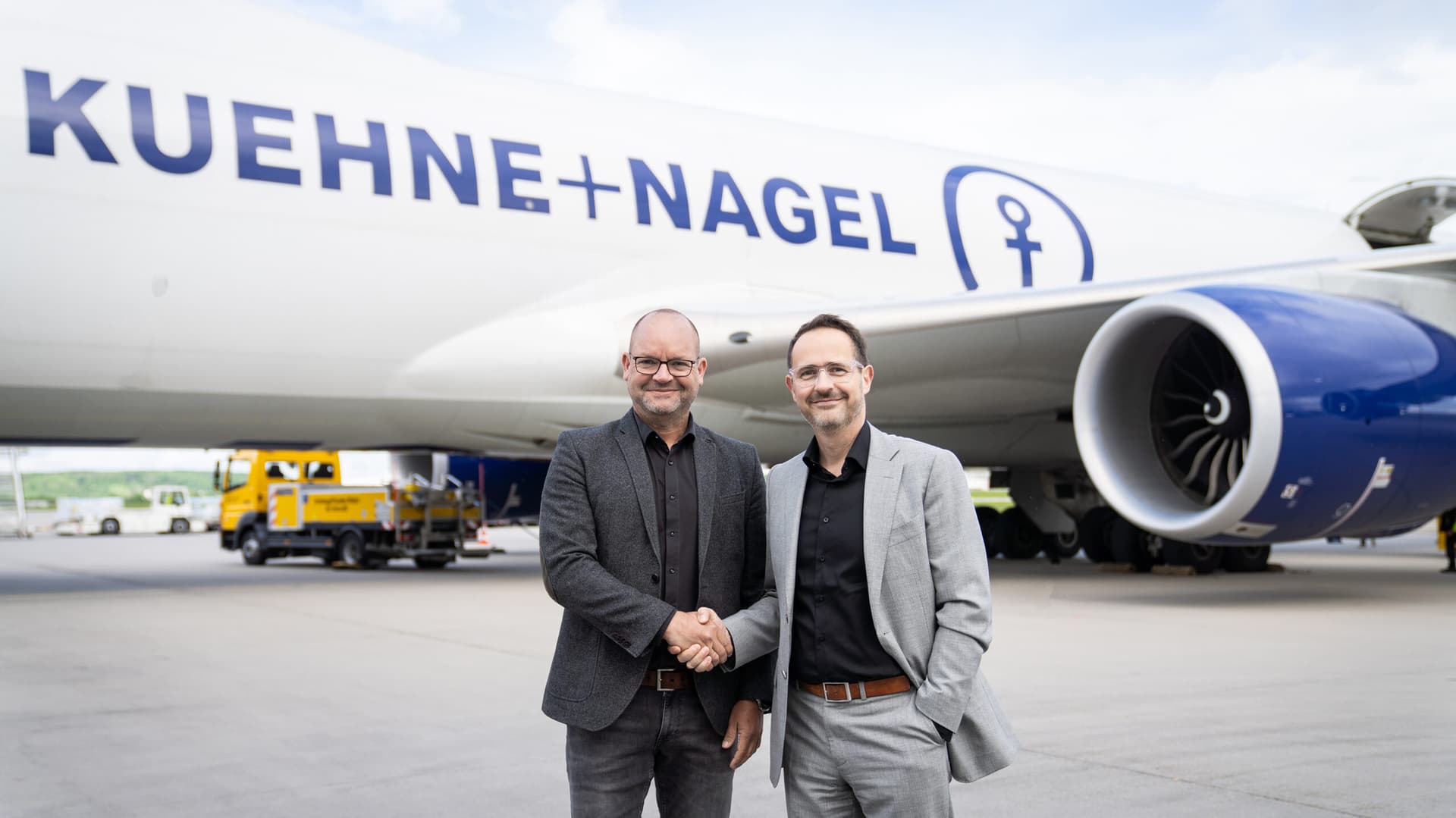
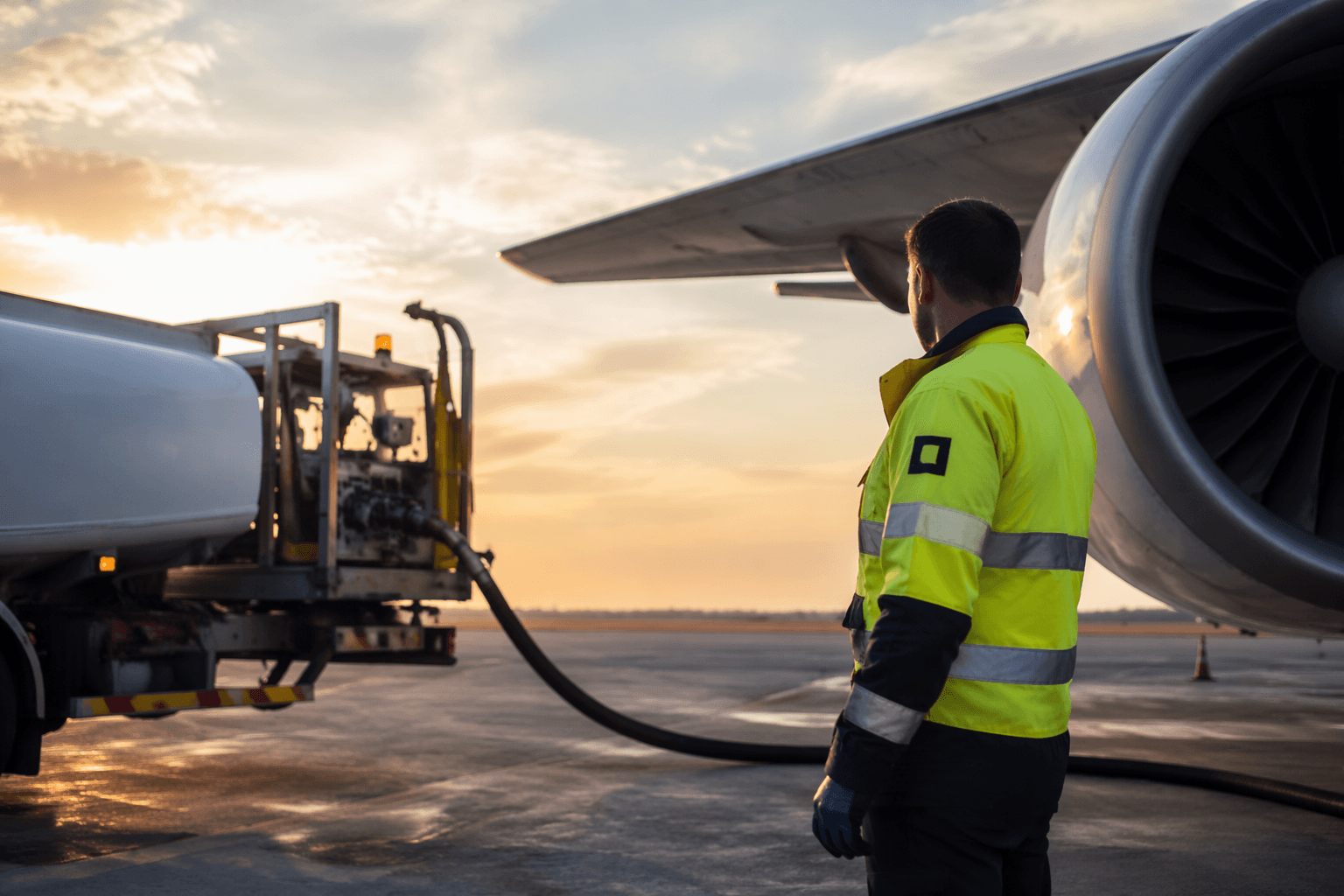
Kuehne+Nagel on June 17 said it will book up to 5.2 million litres of SAF for Google Cloud shipments in 2026. The company said the agreement could cut as much as 12,600 tonnes of CO2e from Google Cloud’s infrastructure freight and will act as a pilot for future collaboration.
The deal ties a defined SAF volume to a named shipper, which is the point where corporate climate claims move from broad pledges into freight accounting. Kuehne+Nagel said SAF is made from renewable resources such as waste, residues or by-products, including used cooking oil and tallow, and that it can reduce lifecycle greenhouse gas emissions from air transport by around 80% versus fossil-based jet fuel. The company said its SAF certification programme is designed to help customers lower scope 3 emissions while meeting sustainability requirements.
Google Cloud already frames emissions in those terms. Its carbon footprint tools measure and report carbon emissions tied to cloud usage, and Google’s sustainability reporting says scope 3 emissions remain a major part of its carbon footprint and a continuing supply-chain challenge. Brian Stewart, Google Cloud’s senior director of logistics, said the partnership builds on Google Cloud’s work to reduce emissions across its logistics value chain. Fabiano Piccinno, Kuehne+Nagel’s global head of sustainability air logistics, said the arrangement underscores sustainability as a core business priority and a foundation for strong partnerships.
The Google Cloud deal also extends a wider airline engagement push Kuehne+Nagel launched on 15 May 2025. That programme included memoranda of understanding with 14 global carriers, among them American Airlines, Air Canada, Air France Cargo, KLM Cargo, Atlas Air, Azul, Cargolux, Cathay Cargo, Delta Air Lines, LATAM Airlines Group, Lufthansa Cargo, Swiss International Air Lines, Turkish Airlines and United Airlines. Kuehne+Nagel said those carriers covered about 50% of its air-freight emissions based on full-year 2024 emissions.
For air cargo, the test is not whether SAF can be booked for one blue-chip customer, but whether the emissions can be traced cleanly through scope 3 inventories and repeated across more freight networks. Kuehne+Nagel’s Google Cloud pilot suggests the model is taking hold where cargo volumes, reporting discipline and sustainability targets line up.
This article was produced by Prism’s automated news system from verified source data, official records, and press releases, then run through automated quality and moderation checks before publishing. The system is built and supervised by the people who set the standards it runs under. Read our full AI policy.
Know something we missed? Have a correction or additional information?
Submit a Tip