Massachusetts signs tax break to boost sustainable aviation fuel
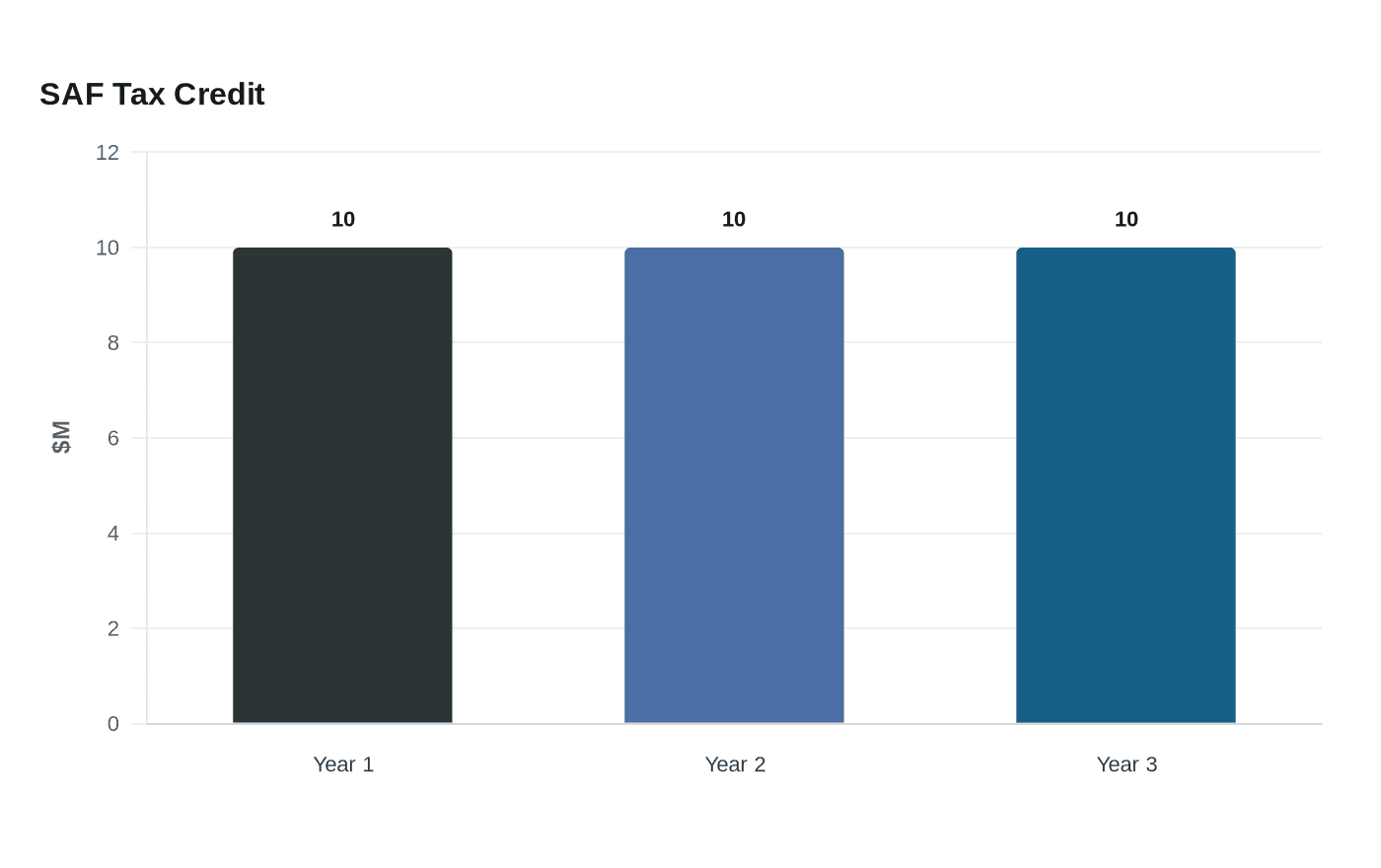
Massachusetts set aside a $10 million SAF credit for each of the next three years, its first state incentive for cleaner jet fuel. Massport is pitching it as a New England hub play.

Maura Healey last week signed Massachusetts’ first sustainable aviation fuel tax break, a $10 million credit for each of the next three years. The supplemental budget puts the state into SAF policy for the first time, with Massport framing the measure as a lever for airline adoption, supply-chain investment and regional production.
The credit comes after a push led by Massport CEO Rich Davey, the former state transportation secretary and former MBTA head. Davey has argued that the state needs more than emissions targets if it wants to build a real SAF market, and Massport has cast the tax break as evidence that Massachusetts wants to become a regional hub for production, supply and use.
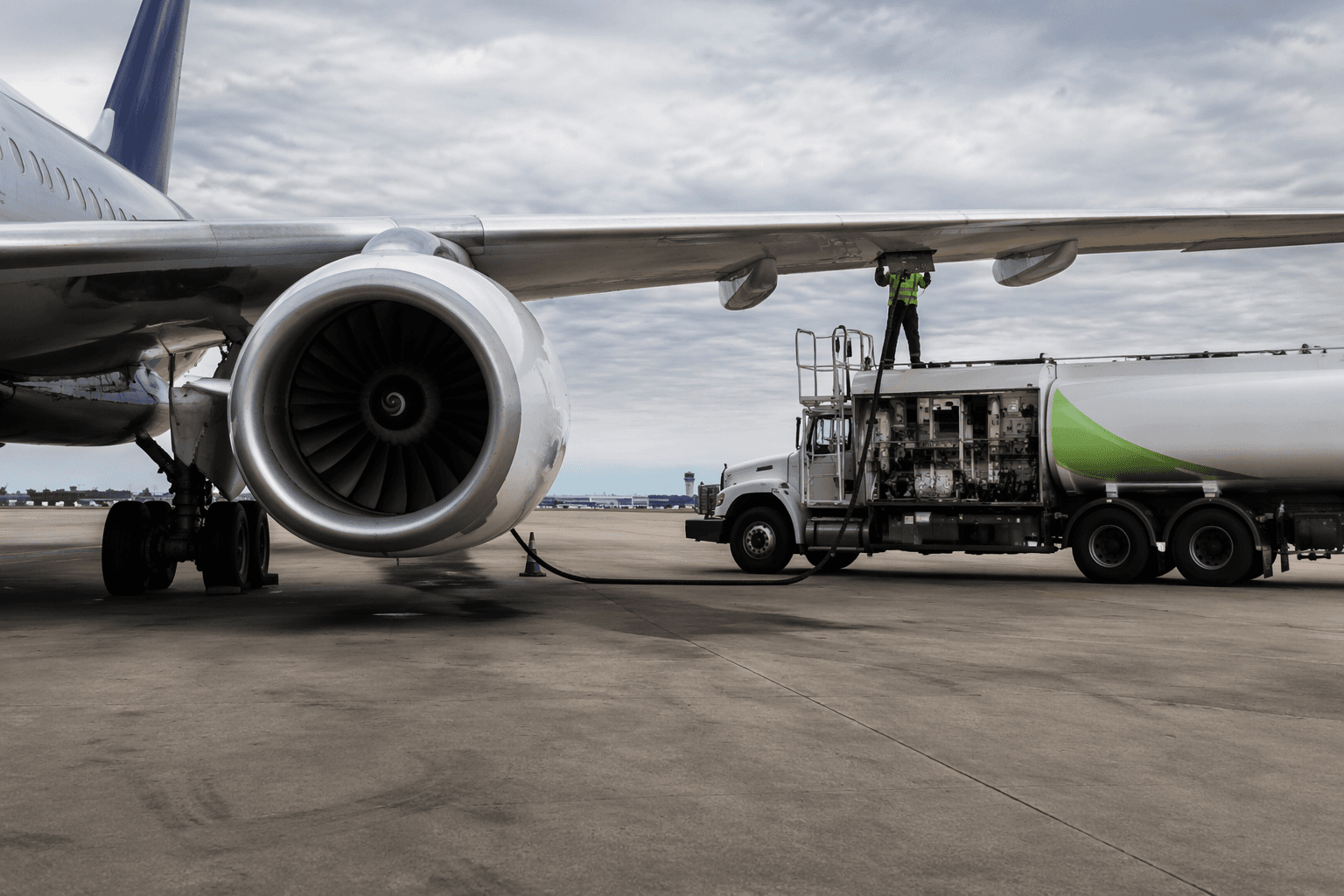
Massport describes SAF as a drop-in fuel made from renewable feedstocks, including cooking oil, plant and animal materials and synthetic fuel rather than petroleum. The authority says the fuel can cut emissions by around 80 percent, citing a Harvard study and the International Air Transport Association, and says aviation accounts for nearly 80 percent of greenhouse-gas emissions at Boston Logan International Airport. Massport has also set a net-zero target for 2031.
The policy was shaped through the Massachusetts Sustainable Aviation Fuel Working Group, a cross-agency effort that included the Executive Office of Energy and Environmental Affairs, the Executive Office of Economic Development, the Executive Office of Administration and Finance, the Office of Climate Innovation and Resilience, MassCEC, MassDOT Aeronautics and Massport. Rebecca Tepper and Melissa Hoffer were part of the group. Massport says the group released a report with five key recommendations aimed at getting early SAF deliveries to regional airports and laying the groundwork for a wider New England industry.
Massport also said more than 130 industry leaders, policymakers and stakeholders attended a June 5, 2025 SAF workshop at the U.S. DOT Volpe Center, where participants discussed the policies and technologies needed to support deployment.
The tax credit lands on top of an existing local-option jet fuel tax in Massachusetts, collected by the Department of Revenue and remitted to municipalities that adopt it. The current rate is 5 percent of the average price per gallon, with a floor of 5 cents per gallon, and it is in place in Boston, Bedford, Beverly, Concord, Lawrence, Lexington, Lincoln, Marshfield, Norwood and Worcester.
Not everyone is sold. Opponents of the Hanscom Field expansion have dismissed SAF-focused recommendations as a greenwashing campaign, underscoring the split over whether a small aviation market can help drive real fuel buildout or mainly subsidize symbolic participation.
This article was produced by Prism’s automated news system from verified source data, official records, and press releases, then run through automated quality and moderation checks before publishing. The system is built and supervised by the people who set the standards it runs under. Read our full AI policy.
Know something we missed? Have a correction or additional information?
Submit a Tip