Moses Lake opens first commercial U.S. sustainable aviation fuel plant
Twelve opened AirPlant One in Moses Lake as the first U.S. commercial-scale E-Jet SAF plant, with Alaska Airlines set to use the fuel on regular domestic flights.

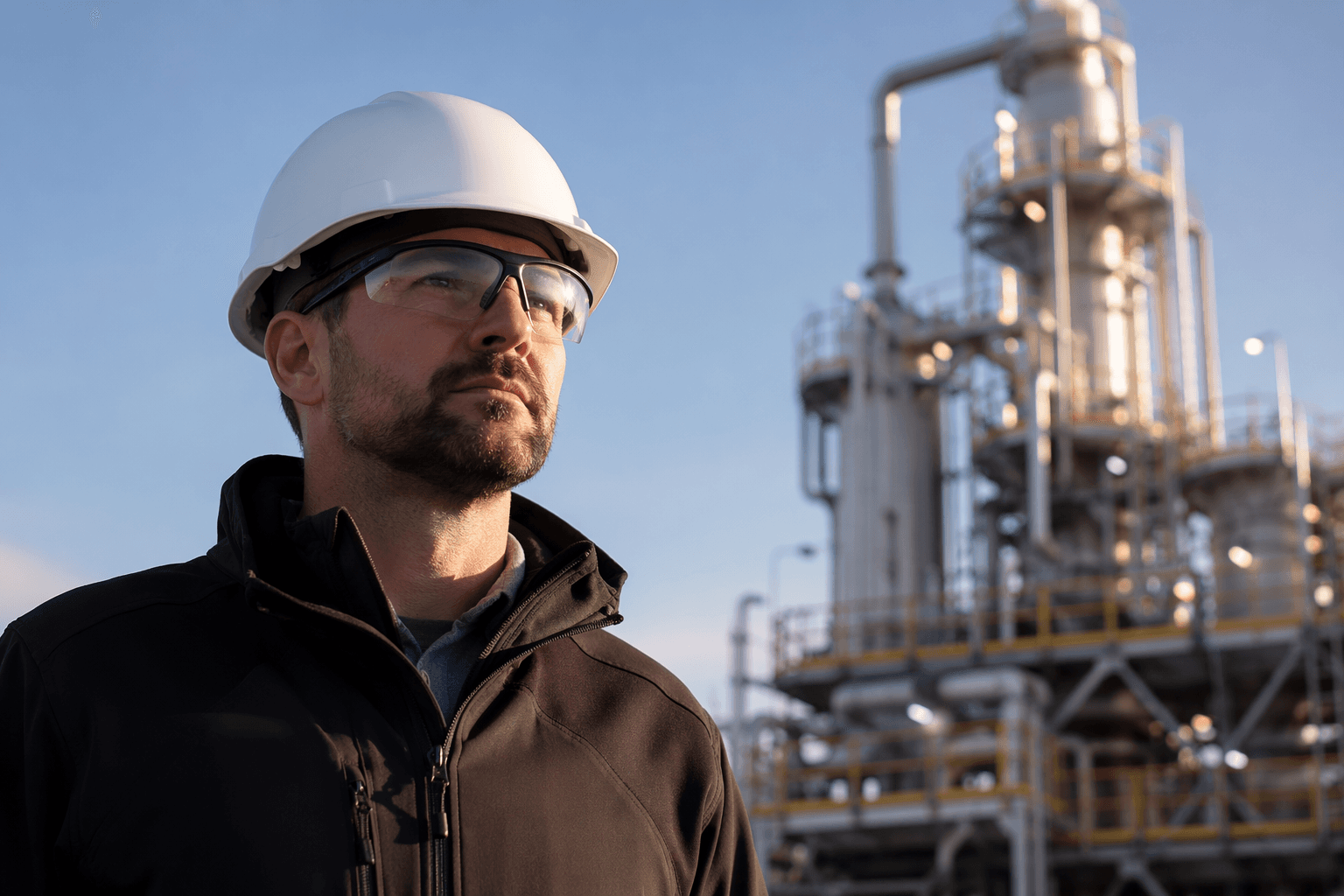
Twelve opened AirPlant One in Moses Lake, Washington, on June 10, marking the first commercial-scale U.S. facility to make E-Jet fuel from carbon dioxide, renewable electricity and water at scale. The plant matters less as a ribbon cutting than as a proof point for whether power-to-liquid SAF can move from funded demonstration work into repeatable production, with Alaska Airlines and Microsoft joining the ceremony and Alaska saying it will fly regular domestic service on the Washington-made fuel.
Twelve said the fuel is a drop-in sustainable aviation fuel that is chemically identical to conventional jet fuel and meets ASTM International certification standards, allowing it to flow through existing aircraft and airport infrastructure without modifications. The company also said AirPlant One was already delivering and selling on-spec fuel for commercial aviation use, a signal that the plant is meant to be a working supply source, not just a showcase. That distinction matters in a market still weighing whether synthetic SAF can compete on reliability and cost against larger HEFA and alcohol-to-jet pathways.
The Moses Lake project has been years in the making. Washington State officials announced the facility in 2023 alongside Gov. Jay Inslee, saying the site would leverage the region’s renewable power base and aviation cluster, and that the plant would supply Shopify, Alaska Airlines and Microsoft. Twelve said at the time that production was expected to start in mid-2024 at about 5 barrels a day, or roughly 40,000 gallons a year, with construction creating about 200 local jobs. United Airlines later disclosed in 2025 that it had invested in Twelve through the United Airlines Ventures Sustainable Flight Fund, saying the company had raised an $83 million Series C round and secured project financing for a plant expected to make 50,000 gallons of SAF annually.
The offtake picture is as important as the technology. United said Twelve had signed a 14-year purchase agreement for 260 million gallons with a large European airline group, underscoring the demand airlines are willing to commit to even before large-scale output exists. The U.S. Department of Energy says the federal SAF Initiative, run with the Transportation and Agriculture departments, aims to cut costs, strengthen energy security and expand commercial production, with national targets of 3 billion gallons by 2030 and 35 billion gallons by 2050. DOE also says SAF has already been used on more than 360,000 commercial flights at 46 airports worldwide, but Moses Lake is one of the clearest tests yet of whether a CO2-to-jet model can be copied beyond one plant and one set of balance-sheet backers.
This article was produced by Prism’s automated news system from verified source data, official records, and press releases, then run through automated quality and moderation checks before publishing. The system is built and supervised by the people who set the standards it runs under. Read our full AI policy.
Know something we missed? Have a correction or additional information?
Submit a Tip