Purdue develops soybean biokerosene method for cold-weather fuel use
Purdue said its soybean biokerosene stayed usable to minus 67 C, with 1.3 kg-per-kg oil yields and a patent filing already underway.
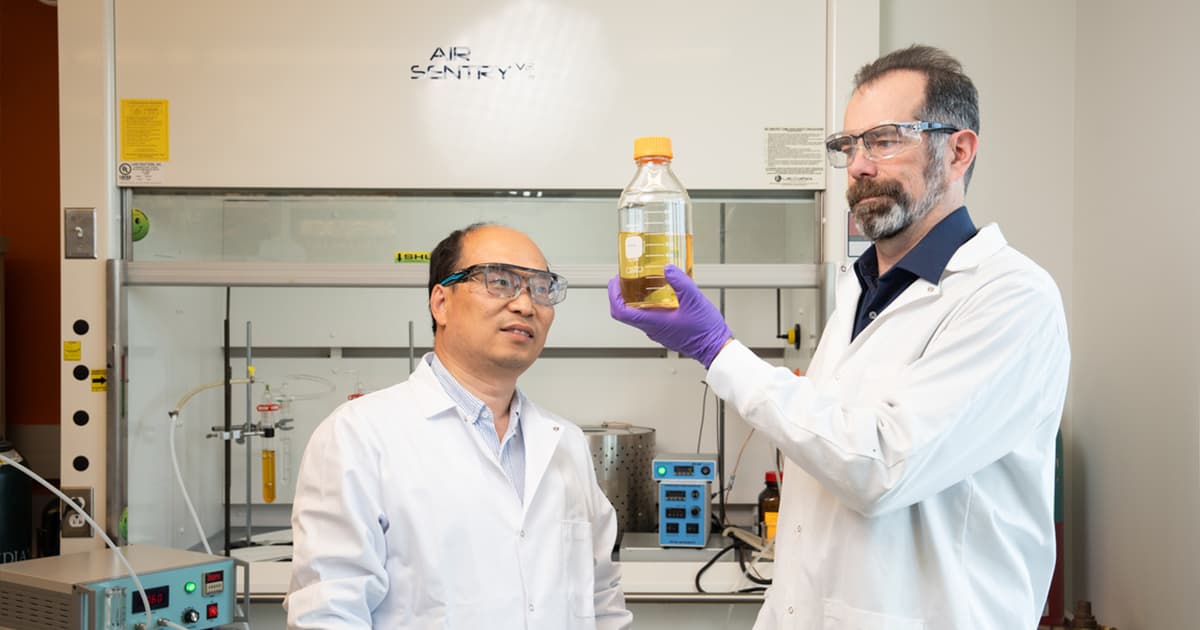
Purdue University on June 4 said it had developed a patent-pending soybean biokerosene process that stays usable to minus 67 degrees Celsius, a threshold that could ease winter blending for biodiesel and sustainable aviation fuel. The key commercial question is whether the ozone-cracking method is more than a lab novelty, or a practical route to fuels that hold up in cold weather and fit existing ASTM specs.
The work, funded by the Indiana Soybean Alliance and developed by Nathan Mosier, Junli Liu and graduate student Elena Robles Molina in Purdue’s Laboratory of Renewable Resources Engineering, uses ozone to crack carbon-carbon double bonds in soybean oil and create nonanoic acid, a major component of biokerosene. Purdue said the approach is comparatively simple, faster, runs at room temperature and does not require a catalyst, all of which matter in a field where many promising conversion pathways falter on cost, heat demand or downstream separation.
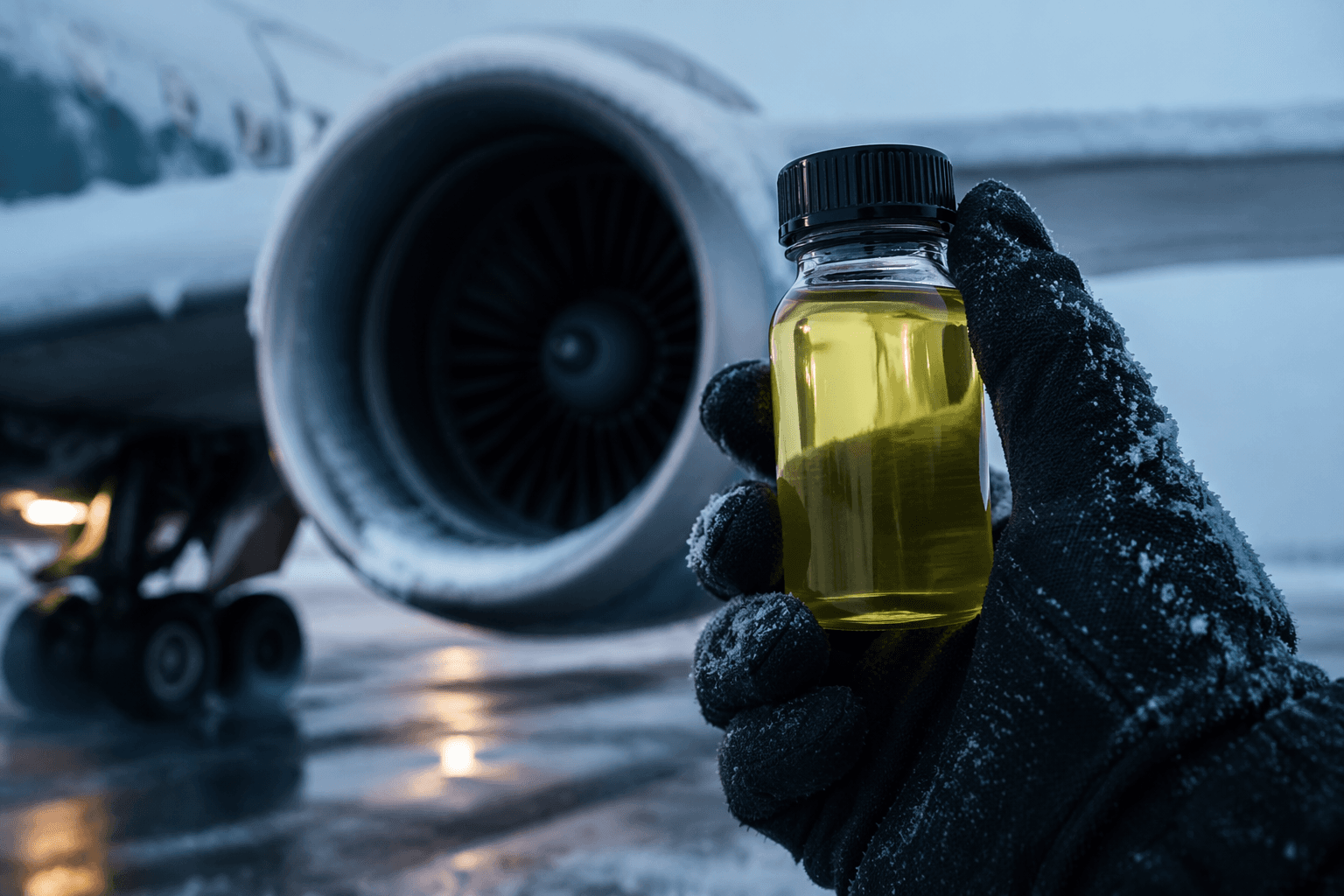
That cold-weather angle is the commercial hook. Purdue said biodiesel can gel below about 30 degrees Fahrenheit, which narrows its winter and northern-market use, while the biokerosene pathway reportedly performs at much lower temperatures. The university also said engine tests showed cleaner, more complete combustion than traditional biodiesel and jet fuel, with lower unburned hydrocarbon, carbon monoxide and nitrogen oxide emissions, and better oxidation stability that could reduce antioxidant use and storage costs.
The underlying paper, published June 1, 2025 in Biofuel Research Journal, reported yields of about 1.3 kilograms of biokerosene per kilogram of oil, NOx reductions of up to 40%, CO2 reductions of more than 93% and a preliminary production cost of about $0.97 per kilogram. The authors also said U.S. annual production potential could reach 25 billion gallons. Purdue said the invention was disclosed to Purdue Innovates Office of Technology Commercialization and that a patent application has been filed, signaling that the university is treating it as a possible commercial platform rather than a one-off chemistry result.
The certification path still matters. Biodiesel blendstock has to meet ASTM D6751, while SAF blend components must fit within ASTM D7566 and remain drop-in after blending, making low-temperature stability and oxidation performance central to market adoption. Purdue revisited the work again on Nov. 28, 2025 in connection with the Boston AIChE meeting, and the soybean pipeline behind it has been reinforced for years through Purdue’s Student Soybean Innovation Competition with the Indiana Soybean Alliance. If the process scales, it could expand soybean oil demand and give refiners and fuel developers another route into winter-grade liquid fuels and aviation blends.
This article was produced by Prism’s automated news system from verified source data, official records, and press releases, then run through automated quality and moderation checks before publishing. The system is built and supervised by the people who set the standards it runs under. Read our full AI policy.
Know something we missed? Have a correction or additional information?
Submit a Tip