RINA approves Baker Hughes turbine for ships running on hydrogen or gas
RINA gave Baker Hughes’ NovaLT 16 type approval to burn natural gas or 100% hydrogen, a signal to shipowners weighing lower-carbon propulsion.

RINA on June 4 awarded Baker Hughes Type Approval for the NovaLT 16 gas turbine, clearing the machine for marine propulsion on natural gas or up to 100% hydrogen. The approval, announced at Posidonia 2026 in Athens, gives shipowners another certified option as they compare bio-methanol, biomethane and other low-carbon propulsion routes against the flexibility of gas turbines.
The certification matters because it moves a turbine first built for industrial power generation into a maritime package that can be installed and operated under shipboard rules. Baker Hughes said the marine-validated NovaLT 16 runs in the 12 to 17 megawatt range in simple cycle and up to 22 MW in combined cycle service, with maintenance intervals stretching to 35,000 hours. For operators building electric and hybrid propulsion architectures, that combination of power density, fuel flexibility and long service intervals is the commercial pitch.
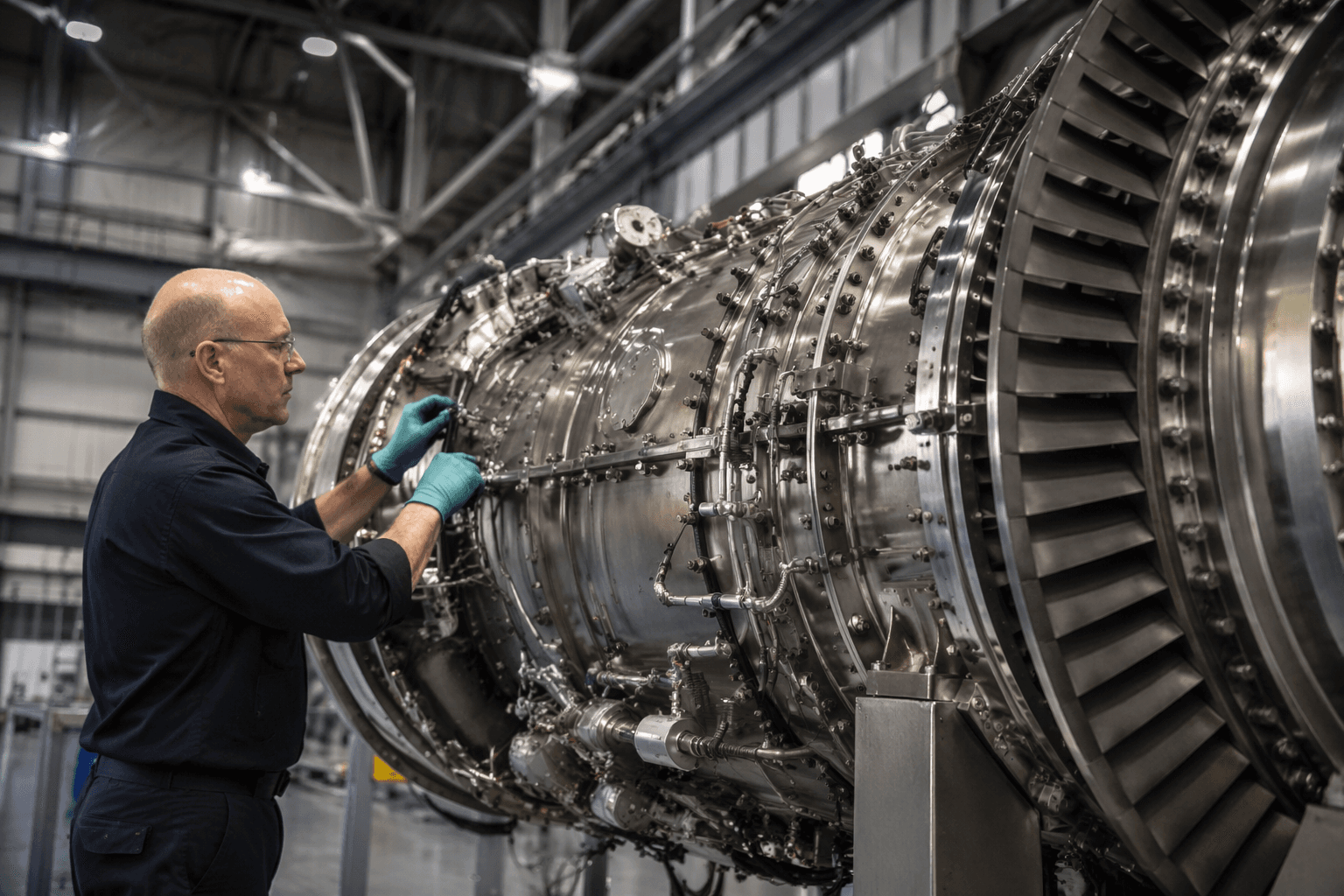
RINA said the approval reflects the safety, performance and regulatory checks needed to bring advanced turbine technology into shipping. Giosuè Vezzuto, RINA’s marine executive vice president, said the certification underscores the value of early collaboration between technology developers and class societies when shipowners are trying to meet evolving compliance demands. Ahmed Eldemerdash, vice president of climate technology solutions at Baker Hughes, said the company is advancing a proven, fuel-flexible platform for real-world marine use without compromising reliability or safety.
The move also signals how the marine fuel contest is widening. Gas turbines are drawing attention in shipping not just because they can run on natural gas today and hydrogen later, but because they fit electric and hybrid propulsion layouts that many owners are considering for newbuilds and conversions. That makes the NovaLT 16 less of a single-fuel bet than a hedge against uncertainty, especially for owners trying to avoid being locked into one fuel pathway as carbon rules tighten.
Posidonia, held June 1-5 at Athens Metropolitan Expo, provided a high-profile stage for the announcement. The exhibition drew more than 40,000 participants from 138 countries in 2024, and the 2026 edition has again concentrated the industry’s attention on which technologies can claim near-term readiness while preserving room for future hydrogen uptake. For shipowners, RINA’s approval does not settle the propulsion debate, but it does sharpen the competitive signal.
This article was produced by Prism’s automated news system from verified source data, official records, and press releases, then run through automated quality and moderation checks before publishing. The system is built and supervised by the people who set the standards it runs under. Read our full AI policy.
Know something we missed? Have a correction or additional information?
Submit a Tip