Shipping seeks a sustainable fuel definition as IMO emissions goals tighten
Shipping’s fuel fight is shifting from chemistry to certification, as the IMO tightens targets and biofuel supply faces feedstock and access limits.
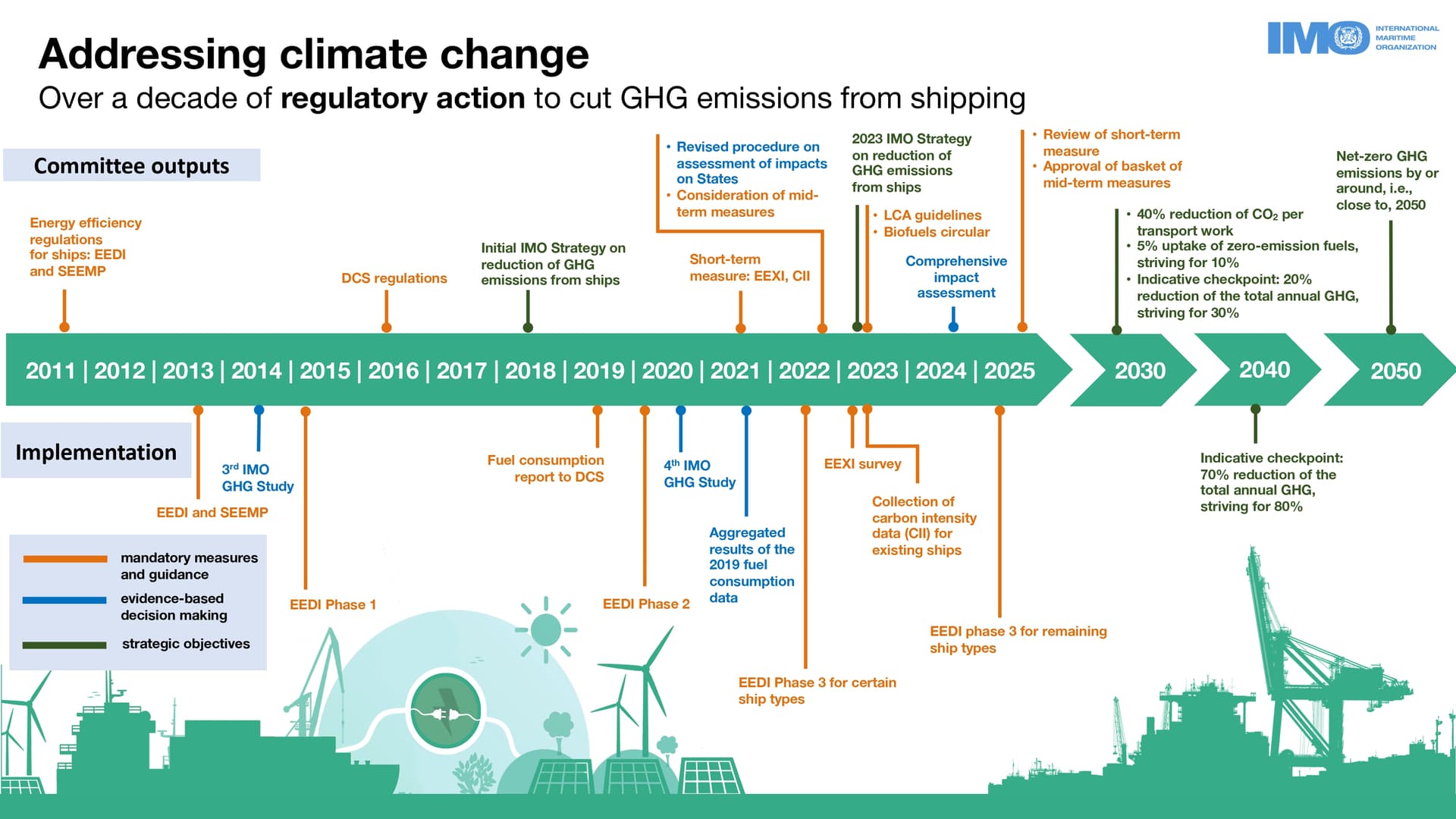
The U.S. Department of Energy on Dec. 17, 2024 sought a definition for sustainable maritime fuel as 99% of U.S. overseas trade moves by ship. DOE said maritime fuel use accounts for 4% of U.S. transportation-sector greenhouse-gas emissions, and that biomass-based fuels can cut lifecycle emissions by at least 50%.
That is the policy tension now confronting shipowners, fuel suppliers and regulators. The question is no longer whether biofuels can run marine engines, but which fuels count as sustainable, how they are certified and whether limited supply can be shared across shipping, aviation and other buyers.
What the IMO has already committed to
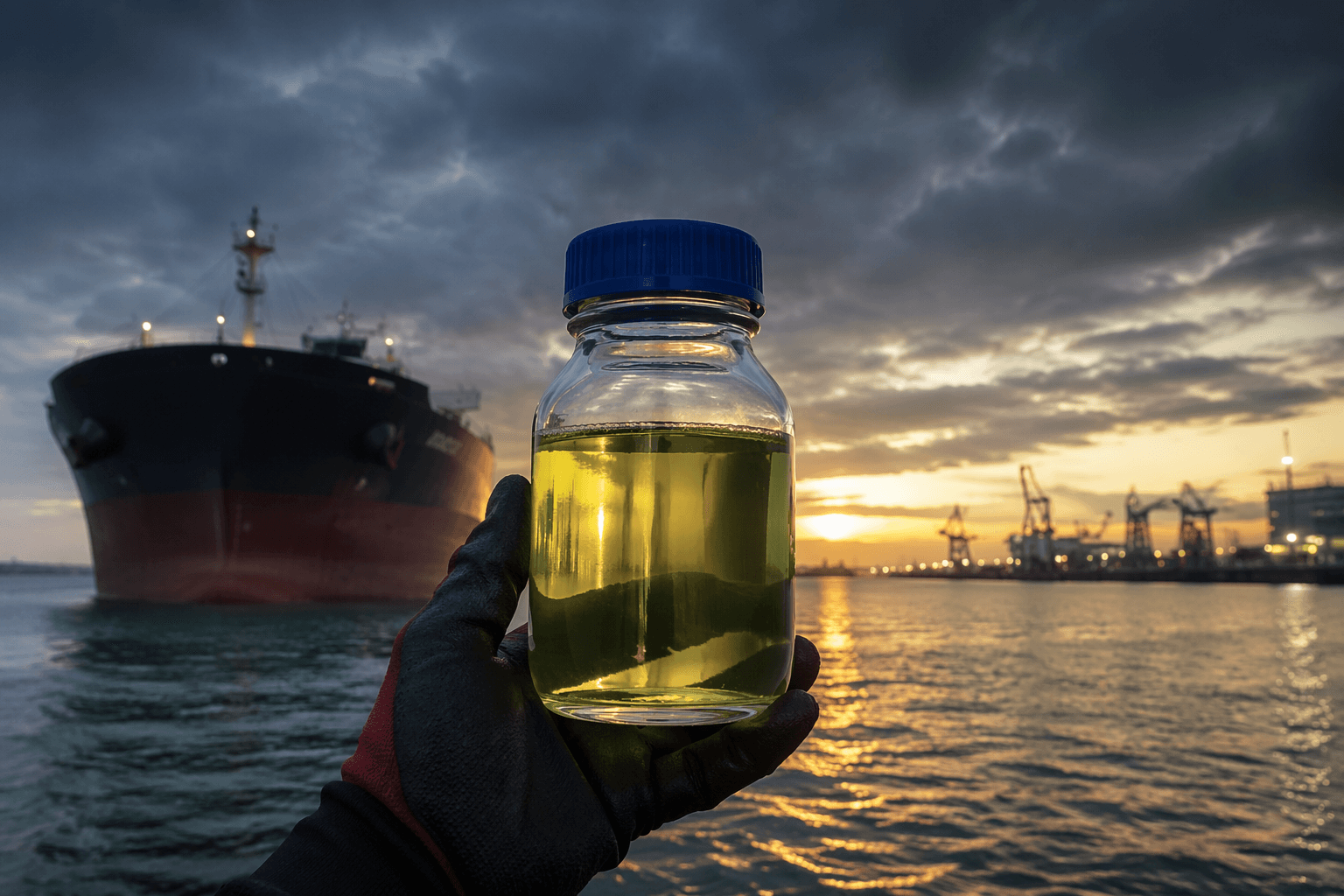
The International Maritime Organization adopted its revised 2023 Strategy on Reduction of GHG Emissions from Ships in July 2023 at MEPC 80. The strategy calls for at least a 40% reduction in the carbon intensity of international shipping by 2030, compared with 2008, and says zero- or near-zero-GHG fuels and energy sources should provide at least 5%, striving for 10%, of the energy used by international shipping by 2030. It also says IMO aims to phase out GHG emissions from ships as soon as possible.
That target sits on top of a long policy arc. IMO says its first resolution to address CO2 emissions was adopted in 1997, and its Initial Strategy followed in 2018 before the 2023 revision. The sequence matters because it shows the sector is moving from broad ambition to operational rules that will affect fuel choice, compliance costs and bunkering strategy.
Why the sustainable fuel definition matters
DOE framed its request for information as part of a federal Action Plan that says defining sustainable maritime fuel is critical to setting future production goals and aligning fuels with U.S. 2050 net-emission goals. The agency also linked the effort to the 2023 National Blueprint for Transportation Decarbonization, placing shipping inside a wider U.S. decarbonization framework rather than treating it as a standalone niche.
The numbers in DOE’s request explain the urgency. Waterborne cargo and associated activity contribute more than $500 billion to U.S. GDP and sustain over 10 million U.S. jobs, according to the department. That makes the fuel definition more than an environmental label. It becomes a gatekeeper for how shipping decarbonizes without breaking trade flows, and for which producers can claim a market for low-carbon molecules.
The real bottleneck is supply, not engine compatibility
The industry argument has shifted from proof of concept to feedstock access and certification. IMO’s 2025 biofuels-in-shipping material says the central challenges are technological advancement, feedstock scarcity and supply infrastructure. The same material says IMO measures, FuelEU Maritime, the EU ETS and shippers’ Scope 3 reduction demands are driving commercialization.
That is where the market starts to look like a resource fight. Shipping may be able to burn biofuels with little hardware change, but the sector still competes for limited biomass and waste streams. DOE said switching to sustainable maritime fuels can reduce emissions by at least 50% for biomass-based fuels and by more than 100% for some waste-based fuels on a lifecycle basis, but those claims only matter if the feedstock is available, traceable and accepted by regulators.
The Sustainable Shipping Initiative made that supply problem visible years ago. It launched its biofuels inquiry at COP25 in Madrid on Dec. 11, 2019, and flagged indirect land-use change, greenhouse-gas emissions and sustainability assurance as key issues. The inquiry also said shipping could be an early adopter of sustainable biofuel, while warning that the sector would compete with aviation for limited supply and need new investment.
Where industry guidance is landing
DNV’s 2025 white paper on biofuels in shipping focuses on global fuel supply, feedstock, bunkering locations and the operational use of FAME and HVO as drop-in fuels. DNV also says those fuels can support compliance with CII, the EU ETS and FuelEU Maritime, which is why they keep showing up in shipowner procurement discussions.
That guidance reflects how the market is actually organizing. European shipowners and fuel producers launched the Clean Maritime Fuels Platform to coordinate around policy and market design. In Singapore, the Singapore Shipping Association updated its biofuels guidance in August 2024 to help stakeholders understand commercial, testing and standards developments. Both moves point to the same issue: the next constraint is not whether a fuel works in a tank, but whether it can be bought, bunkered, certified and accounted for under multiple regimes.
What to watch next
The clean-fuel fight in shipping will be decided by three questions. First, how regulators define sustainable maritime fuel across lifecycle emissions and feedstock rules. Second, how much supply can be secured without diverting material from aviation and other sectors. Third, whether infrastructure, bunkering and certification can keep pace with the IMO’s 2030 carbon-intensity target and zero-GHG fuel share goals.
For now, the “beads at the crossing” problem is real: access to scarce sustainable feedstock is becoming a pricing issue, a certification issue and a policy issue at the same time. The next phase of shipping decarbonization will hinge on who gets to call a fuel sustainable, and who can still buy it.
This article was produced by Prism’s automated news system from verified source data, official records, and press releases, then run through automated quality and moderation checks before publishing. The system is built and supervised by the people who set the standards it runs under. Read our full AI policy.
Know something we missed? Have a correction or additional information?
Submit a Tip