Technip Energies, Airbus and Safran launch major SAF project in France
Technip Energies, Airbus, Safran and Tereos formed Rebound for a Dunkirk plant targeting 160,000 tons of SAF a year.
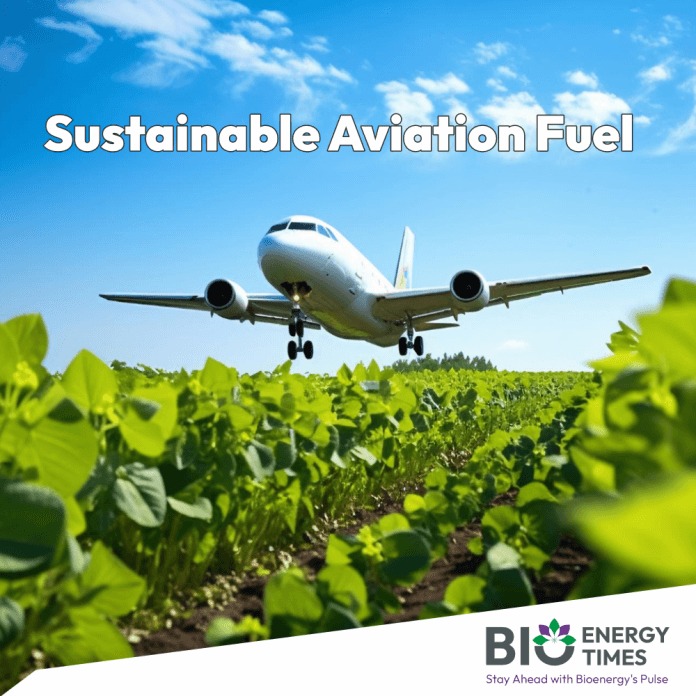
Technip Energies, Airbus, Safran and Tereos on June 9 agreed to create Rebound, a joint venture for a Dunkirk SAF project targeting about 160,000 tons a year. The plant will use the alcohol-to-jet pathway and Airbus described it as one of the largest facilities of its kind in Europe.
The partners are funding the development phase now, including engineering studies needed before a final investment decision. The Port of Dunkirk has already awarded Technip Energies an industrial site that the companies said offers logistics advantages for feedstock and product transport, along with a more streamlined permitting path. Technip Energies will lead development and engineering services, while Airbus and Safran will serve as industrial partners, offtake facilitators and potential offtakers.
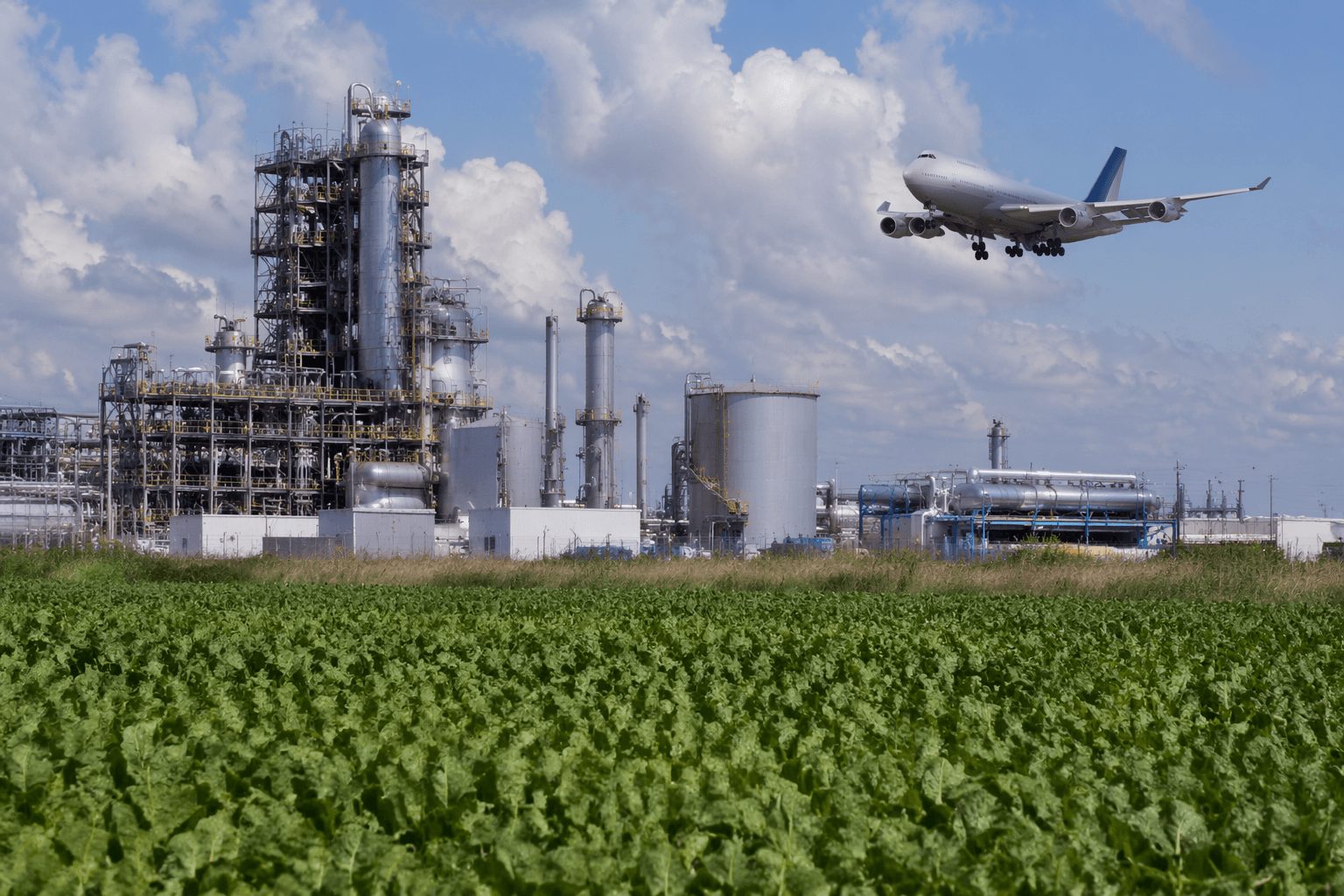
Tereos is expected to supply and source the advanced ethanol feedstock for the project, putting feedstock access at the center of the design. Before construction can start, the consortium still has to select a technology licensor, complete permitting, launch pre-FEED and FEED work, finalize feedstock supply and SAF offtake agreements, and secure construction financing. The project is being framed by the partners as part of European energy sovereignty and France’s industrial leadership in the energy transition.
The timing matters because the European Union’s RefuelEU Aviation regulation is set to push SAF blending requirements to 6% by 2030 and 70% by 2050. Airbus has said those rules will drive an eightfold increase in SAF demand between 2030 and 2050, a scale-up that leaves little room for delay in project execution. The Mission Possible Partnership’s Global Project Tracker counted 22 SAF plants in operation in June 2025 and 144 more projects in the pipeline, but only seven had reached final investment decision, underlining how few announcements have converted into operating assets.
Policy support is also tightening around the sector. The European Commission’s Sustainable Transport Investment Plan, launched on November 5, 2025, was designed to mobilize at least EUR 2.9 billion by 2027 for aviation and maritime decarbonisation measures, including alternative fuels and synthetic aviation fuel projects. In parallel, Air France-KLM and TotalEnergies signed an agreement in September 2024 for up to 1.5 million tons of SAF over ten years, a reminder that long-term offtake is still one of the market’s most important bankability tools. Rebound now joins that broader push to turn Europe’s SAF targets into industrial capacity, but it still has to clear the usual bottlenecks of feedstock, technology selection and financing before any fuel is produced.
This article was produced by Prism’s automated news system from verified source data, official records, and press releases, then run through automated quality and moderation checks before publishing. The system is built and supervised by the people who set the standards it runs under. Read our full AI policy.
Know something we missed? Have a correction or additional information?
Submit a Tip