IntellectAI’s Magic Placement automates insurance quote comparison and review
Magic Placement targets the slowest, riskiest part of placement work: comparing quotes, binders, and policies without missing a mismatch. The big question is whether its 60% claim comes from better accuracy or just faster handling.

The ugliest part of commercial placement is rarely the quote itself. It is the grind of comparing the quote, the binder, and the policy line by line, then catching the tiny mismatches in limits, terms, and insured details before they become errors, omissions, or a messy rework cycle.
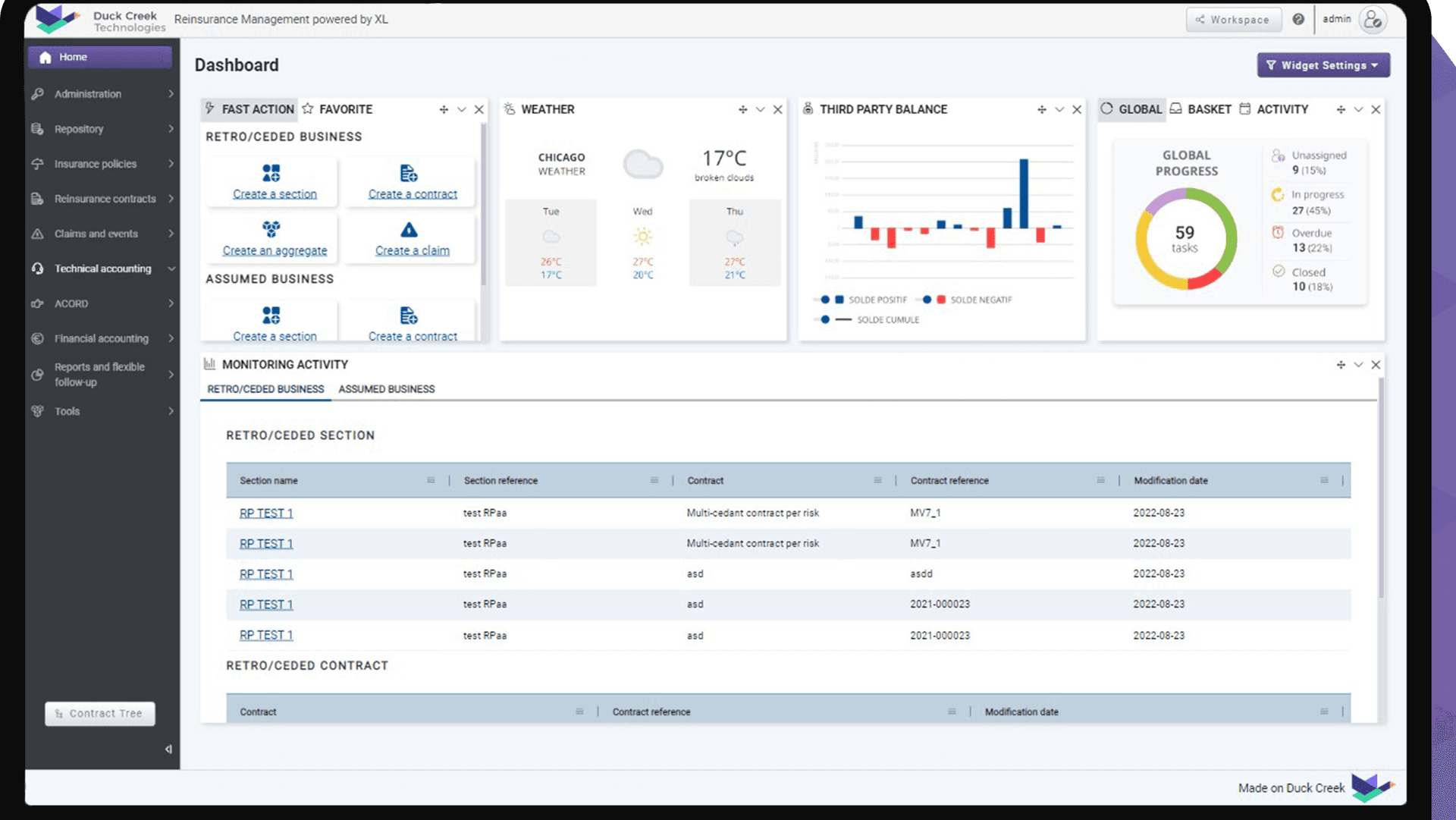
That is the problem IntellectAI is aiming at with Magic Placement. The company says the platform can automatically extract, structure, and validate complex quote documents, then push that information into a controlled review workflow instead of leaving brokers and wholesalers to do the comparison by hand.

What Magic Placement is built to fix
Commercial insurance placement breaks down in the document-heavy middle, where speed matters but so does auditability. A broker can win the business on price and appetite, then lose time and confidence reconciling the details across carrier submissions, binders, and final policy wording.
Magic Placement is designed for exactly that bottleneck. IntellectAI says the product automates policy, quote, and binder review, supports both same-carrier mismatch review and multi-carrier quote comparisons, and applies checklists to verify critical terms and conditions. It also traces extracted data back to the source document, which matters when a team needs to prove where a number came from and why a change was flagged.
That source trace is not a cosmetic feature. In a placement shop, the real risk is not only a missed decimal or a wrong named insured; it is the lack of a clean review trail when someone later asks who checked what, and against which document.
How the workflow is supposed to work
IntellectAI launched Magic Placement on April 17, 2025, and positioned it as a Purple Fabric-powered solution using agentic AI and large language models for policy, quote, and binder comparison. The pitch is not that the software replaces the placement team. It is that it takes on the repetitive comparison work so humans can focus on judgment, negotiation, and exception handling.
The product page says Magic Placement can flag differences in limits, terms, and insured details, send real-time alerts when errors are detected, and integrate with agency management systems. The company also says it can normalize data into the user’s format, which is a big deal in real broker operations because the data rarely arrives in one neat structure from carrier to carrier.
One of the more useful details is that the tool can transform unstructured quote documents into structured JSON. That is the kind of plumbing that makes the rest of the workflow possible: once the data is structured, it can be compared, checked, and pushed into review queues much faster than if someone is still copy-pasting from PDFs.
The 60% claim, and why it needs scrutiny
IntellectAI says Magic Placement can reduce manual data entry by 60%. On paper, that is the kind of number that gets attention fast, especially in a market where submission volumes are rising and carrier appetites are more fragmented than ever.
But the more interesting question is not whether the workflow is faster. It is whether the savings come from genuine accuracy gains or simply from faster document handling. If a team is only moving through paperwork quicker, that is throughput. If the platform is actually preventing misses and tightening the review trail, that is a different kind of value entirely.
The company’s brochure goes further, saying quote, binder, and policy comparisons can drop from 4 to 6 days to under 1 hour. That is a dramatic turnaround improvement, and it is exactly the sort of claim buyers should pressure-test in a real placement environment where exceptions, endorsements, and carrier-specific wording still have to be handled by people.
What the case study suggests
IntellectAI says a top 3 wholesaler saw a 67% reduction in quote processing effort, a 90% reduction in document comparison time, and a 41% improvement in mismatch detection accuracy after using Magic Placement. Those are the numbers that make the product more than a simple document sorter, because mismatch detection is the metric tied closest to E&O risk.
The human-in-the-loop design matters here. IntellectAI says corrections feed back into future accuracy, which is the right idea for a workflow like this. In placement, edge cases are the whole game, so a tool that learns from corrected comparisons has a much better chance of holding up under messy carrier documents than one that just extracts fields and hopes for the best.
- less time spent comparing the same document three different ways
- fewer missed discrepancies in insured details or coverage wording
- a clearer audit trail when a review has to be explained later
- more time for negotiation, exception handling, and actual placement judgment
If those results hold in a broker operation, the payoff is obvious:
How to pressure-test it in the real world
A broker or wholesaler should not buy this on the headline alone. The only meaningful test is whether the product makes the team both faster and safer in the workflow that matters most: the one where quote, binder, and policy do not quite line up.
The best way to evaluate it is to run it against real submissions, not sanitized demos. Look at carrier sets with different wording, compare same-carrier mismatches as well as multi-carrier quote comparisons, and see whether the tool catches the exceptions your people normally catch by instinct.
A practical proof plan should answer three questions: 1. Does it cut comparison time without pushing errors downstream? 2. Does it improve E&O defensibility by keeping source tracing and review notes clean? 3. Does it reduce rework because the data is truly more accurate, or just because the documents are easier to move around?
That distinction matters because fast bad data is still bad data. The best deployment is the one where the machine handles the tedious comparison work and the broker still owns the judgment call.
Where it fits in the stack
IntellectAI, part of Intellect Design Arena, positions Magic Placement as part of a broader distribution ecosystem for wholesale brokers, agents, and MGAs. The company is pitching it from Piscataway, New Jersey, into North America as a workflow tool that sits closer to the front line of placement than to the back-office reporting layer.
That is the right place for this kind of AI. The industry does not need another broad promise about end-to-end transformation. It needs narrow tools that shave hours off a painful process, reduce the chance of a missed mismatch, and leave a cleaner record behind when the file is audited.
Magic Placement is interesting because it aims at exactly that kind of pain. If the platform can really turn quote comparison from a multi-day chore into an under-an-hour review without weakening accuracy, it is not just automating paperwork. It is tightening one of the most failure-prone steps in commercial insurance placement.
This article was produced by Prism’s automated news system from verified source data, official records, and press releases, then run through automated quality and moderation checks before publishing. The system is built and supervised by the people who set the standards it runs under. Read our full AI policy.
Know something we missed? Have a correction or additional information?
Submit a Tip