7-Eleven adds protein callouts across fresh sandwiches, wraps, breakfast items
7-Eleven is stamping protein across fresh sandwiches, breakfast sandwiches and wraps, turning a nutrient claim into menu architecture. The move follows 62,000 protein drinks sold daily and a broader chicken push.
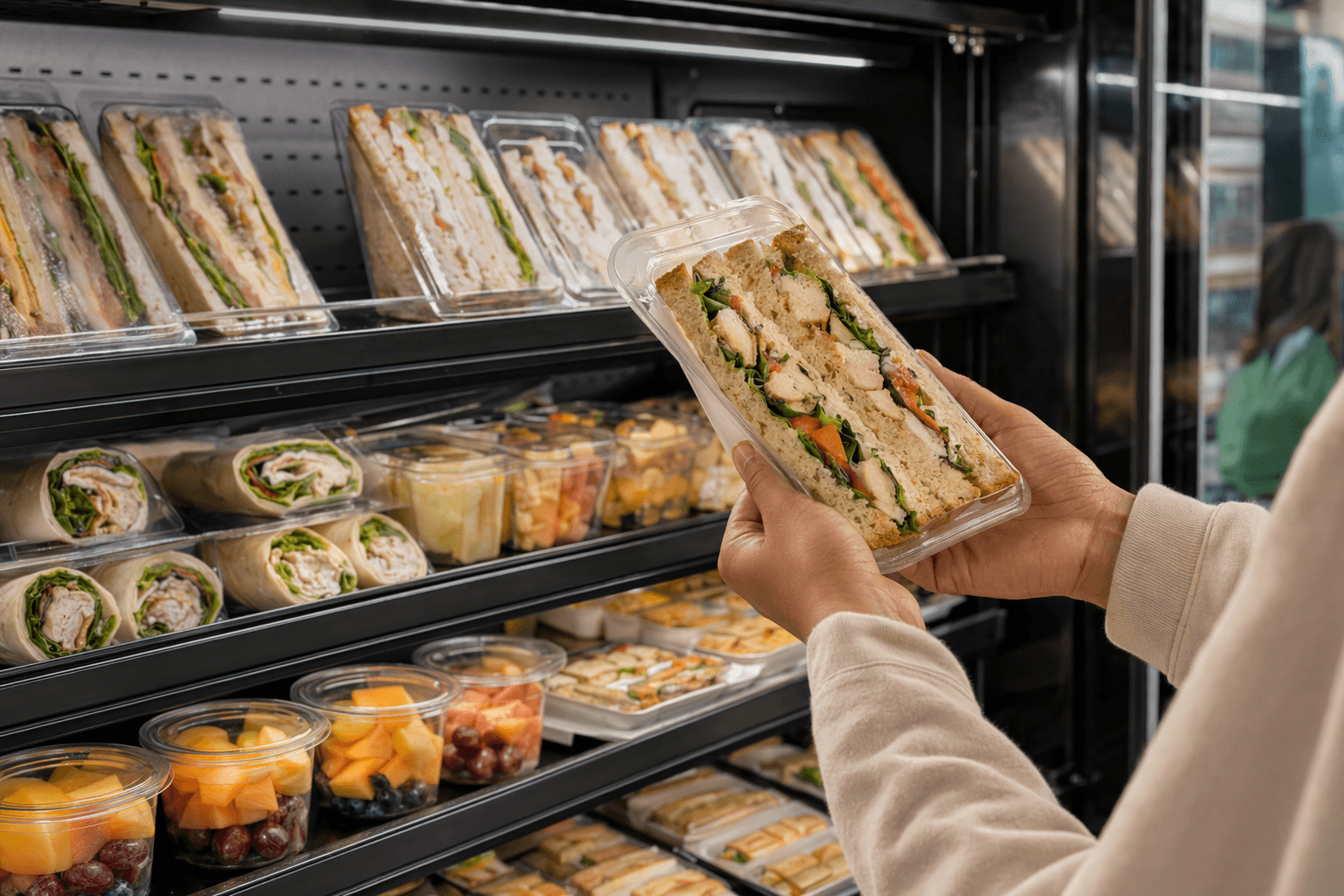
7-Eleven is making protein easier to spot, and harder to miss, across its fresh food case. The chain added protein callouts to fresh sandwiches, breakfast sandwiches and wraps, a merchandising shift that turns a nutrient claim into a visible selling tool in both stores and digital ordering.
The move lands in a category where convenience stores already have a built-in advantage: speed. Customers use c-stores for something fast, filling and portable, and 7-Eleven is leaning into that habit by making high-protein choices more obvious at the point of sale. That matters because protein is no longer confined to bars and shakes. It has become a cue shoppers now expect to see on sandwiches, wraps and breakfast items, especially when they are building a meal on the move.
The scale helps explain why 7-Eleven is pushing so hard. The company said it sells more than 62,000 protein drinks daily, and its internal customer research found younger shoppers are 60% more likely to build a daily protein target into their routine. More than half of those protein-drink purchases are used as a breakfast replacement, which helps explain why the protein language now reaches into breakfast sandwiches and wraps instead of staying in the cold-case beverage aisle.
The chain’s broader food strategy is moving in the same direction. On March 24, 2026, 7-Eleven announced a major chicken takeover with sandwiches, wings and deals, reinforcing a food-forward identity that goes well beyond a single menu refresh. In that context, protein callouts look less like a one-off label change and more like part of a larger effort to organize the offer around satiety, portability and repeat purchase.
That strategy also fits 7-Eleven’s footprint. The company operates, franchises and licenses more than 13,000 stores in the United States and Canada, and its public positioning centers on being a one-stop shop for consumers. Protein is emerging as one of the clearest ways to make that promise tangible, borrowing health cues that grocery and quick-service restaurants have used for years. In convenience retail, it is now a merchandising language, and 7-Eleven is speaking it loudly.
This article was produced by Prism’s automated news system from verified source data, official records, and press releases, then run through automated quality and moderation checks before publishing. The system is built and supervised by the people who set the standards it runs under. Read our full AI policy.
Did this article answer your question?