Nature Food frames next decade of alternative proteins around scaling and adoption
Nature Food’s latest correspondence turns alternative proteins into a practical test: can the sector win on price, taste, scale, and policy fast enough to become routine?
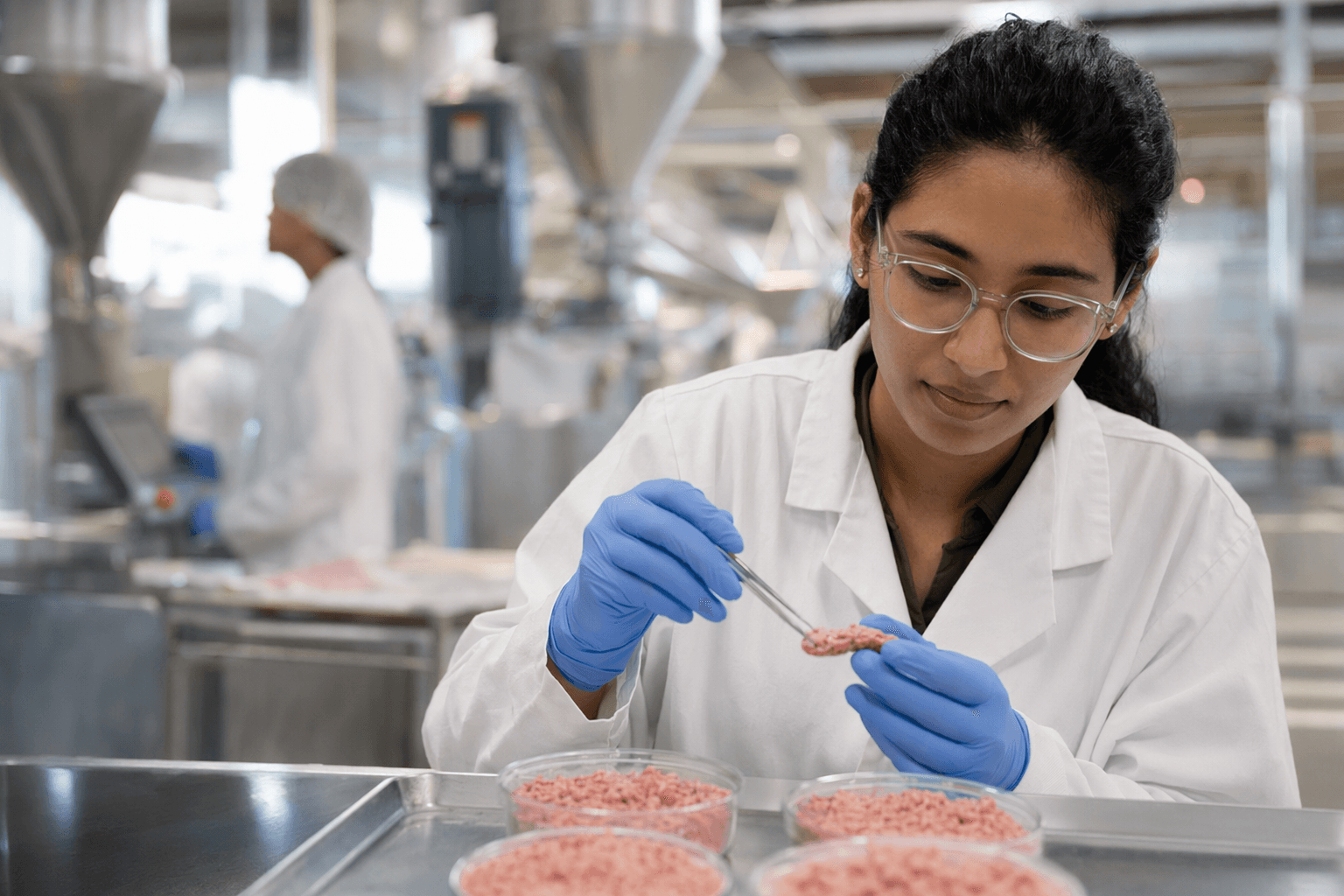
Nature Food’s latest correspondence treats alternative proteins less like a moonshot and more like a manufacturing challenge. That shift matters because the piece is written by Arie Abo, an independent consultant in San Francisco and a former chief science officer at New Culture and Imagindairy, so the lens is practical from the start: this is not a consumer-hype story, it is an operator’s checklist for what has to work next.
From proof-of-concept to a real market
The clearest message in the correspondence is that the first wave has already crossed a threshold. Plant-based, precision-fermented, and cultivated meat are no longer just scientific curiosities, they have become commercial products with real shelves, public listings, and approval pathways taking shape in multiple jurisdictions. That is a meaningful pivot for a category that spent years being judged mostly on lab results and fundraising rounds.
Nature Food’s framing is valuable precisely because it places the next decade on a harder terrain. The question is no longer whether alternative proteins can be demonstrated in a controlled setting. The question is whether they can behave like a dependable food category, one that can be manufactured, regulated, sold, and repeated at scale without losing the economic or sensory case that justified the category in the first place.
The cost-and-scale problem comes first
If there is a single bottleneck that hangs over every other promise, it is cost. Abo’s correspondence points toward a future defined by the ability to scale reliably, and that means more than just producing larger batches. It means building systems that can run consistently, keep inputs under control, and deliver products at a price mainstream buyers will accept.
That is why the industry’s next phase will belong to teams that think like food manufacturers, not just biotech startups. The sector has to solve not only biology, but procurement, throughput, quality assurance, and supply-chain resilience. Without those pieces, alternative proteins risk staying trapped in premium niches even as the underlying science improves.
Taste and functionality are the adoption test
The correspondence is equally blunt about taste and functionality. Novel proteins have to compete with conventional animal products on more than sustainability claims. They need to satisfy the simple, unforgiving standards that govern repeat purchase: does it taste right, does it cook right, does it work in the formats buyers already understand?
That is where many food categories rise or fall. The next decade will not be won by the most elegant formulation on paper, but by products that deliver a familiar eating experience and fit into real kitchens, real menus, and real manufacturing lines. Sensory performance is not a nice-to-have here, it is the bridge from curiosity to habit.
Nutrition sits in that same practical lane. A product that cannot credibly match the expectations of conventional protein, whether on protein content, satiety, or utility in foodservice and retail, will struggle to move beyond early adopters. The market is asking alternative proteins to be both modern and useful, not merely novel.
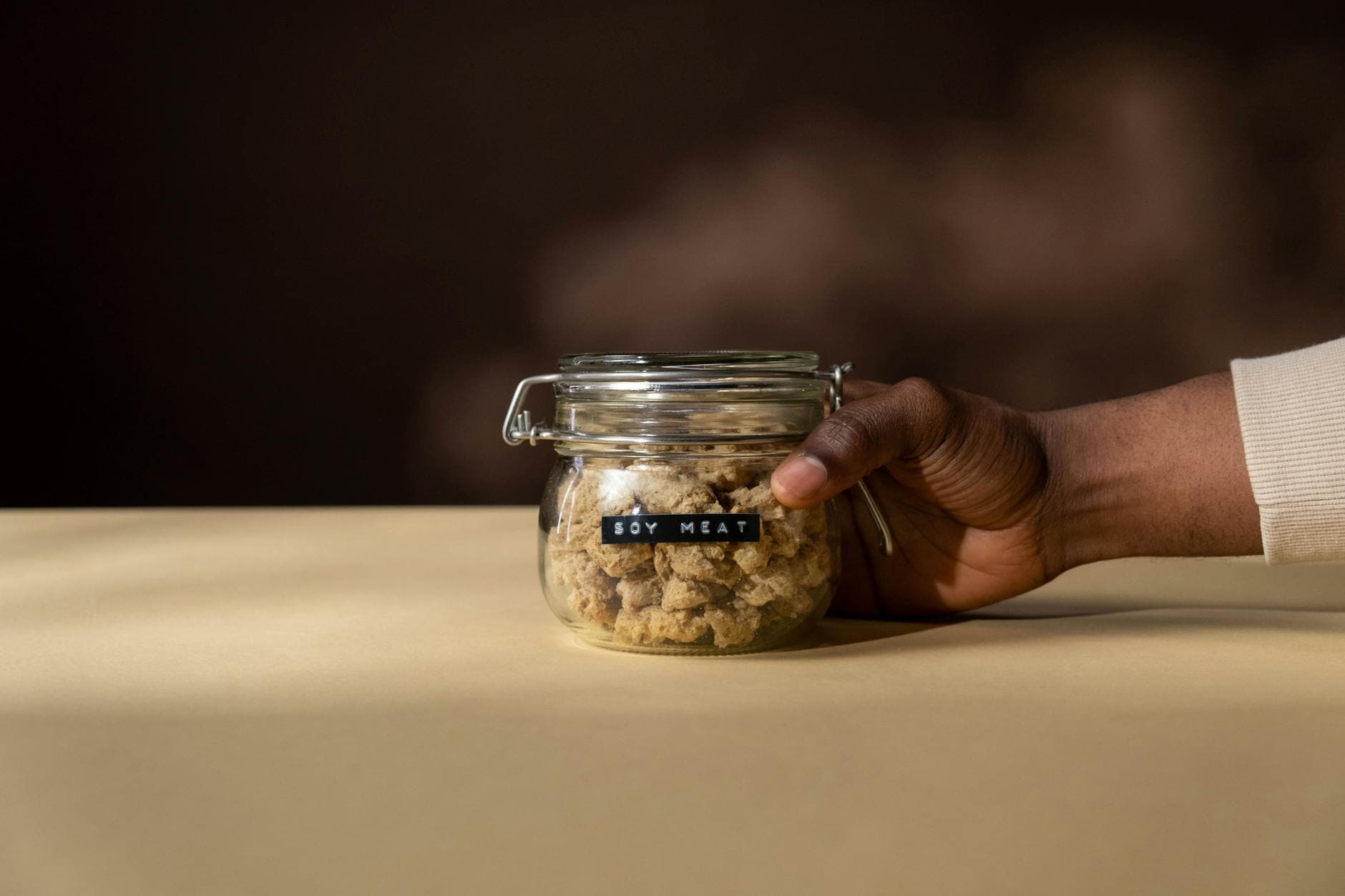
Regulation has become part of the business model
The regulatory arc already shows how quickly this category has moved from theory into market access. In June 2023, GOOD Meat announced what it called the first-ever USDA label approval for cultivated meat, and UPSIDE Foods followed days later with USDA label approval for cultivated chicken. Those approvals marked an early commercialization precedent in the United States and signaled that cultivated products had started to enter the same legal and operational world as other foods.
The momentum continued in 2025. Mission Barns said in July that it received USDA approval for its cultivated pork fat ingredient and its San Francisco pilot facility. Later that year, Believer Meats said it received USDA approval for cultivated chicken from its North Carolina facility. Each of those milestones mattered not just because they cleared a product, but because they showed the category inching toward repeatable pathways rather than one-off exceptions.
But the political picture has also hardened. By the end of 2025, seven U.S. states had enacted laws prohibiting the sale of cultivated meat, a sharp reminder that scientific progress does not automatically translate into market access. In Europe, policymakers moved in March 2026 to restrict animal-associated terms for plant-based foods, turning naming and labeling into another live battleground. For companies, regulation is now as central as formulation or fermentation. If the rules are uncertain, expansion is slower, costlier, and more local than the sector would like.
Public support is real, but still uneven
The funding picture adds another layer of realism. A Global Food Innovation and GFI policy report estimated that governments announced about $510 million in new committed funding for alternative proteins in 2024, bringing cumulative public commitments to around $2.1 billion. That is a serious number, and it shows policymakers are no longer treating the sector as a fringe bet.
Still, the money does not remove the need for discipline. Public funding can help de-risk research, pilot infrastructure, and early deployment, but it does not guarantee that products will win on shelf or on the plate. The correspondence’s subtext is that capital is necessary, not sufficient. The businesses that survive this decade will be the ones that pair technical sophistication with commercial patience and manufacturing rigor.
What the next decade has to fix
Taken together, the picture is less glamorous than the old alternative-protein pitch deck, but far more useful. The sector has already proved it can produce headlines, approvals, and firsts. What it now has to prove is that it can keep costs moving down, keep taste moving up, and keep regulations from fragmenting the market before scale arrives.
That is the real scorecard emerging from Nature Food’s correspondence. Alternative proteins will move from hype cycle to durable food-system category only if they become easier to make, easier to buy, easier to approve, and easier to trust. The next decade will reward the companies that solve those practical problems first.
This article was produced by Prism’s automated news system from verified source data, official records, and press releases, then run through automated quality and moderation checks before publishing. The system is built and supervised by the people who set the standards it runs under. Read our full AI policy.
Did this article answer your question?