Happy Plant Protein backs Latvia’s first crop-based protein facility
Latvia is set to host Europe’s first crop-based protein facility, a €6 million plant due in early 2027 with 5,000 tonnes of annual output.
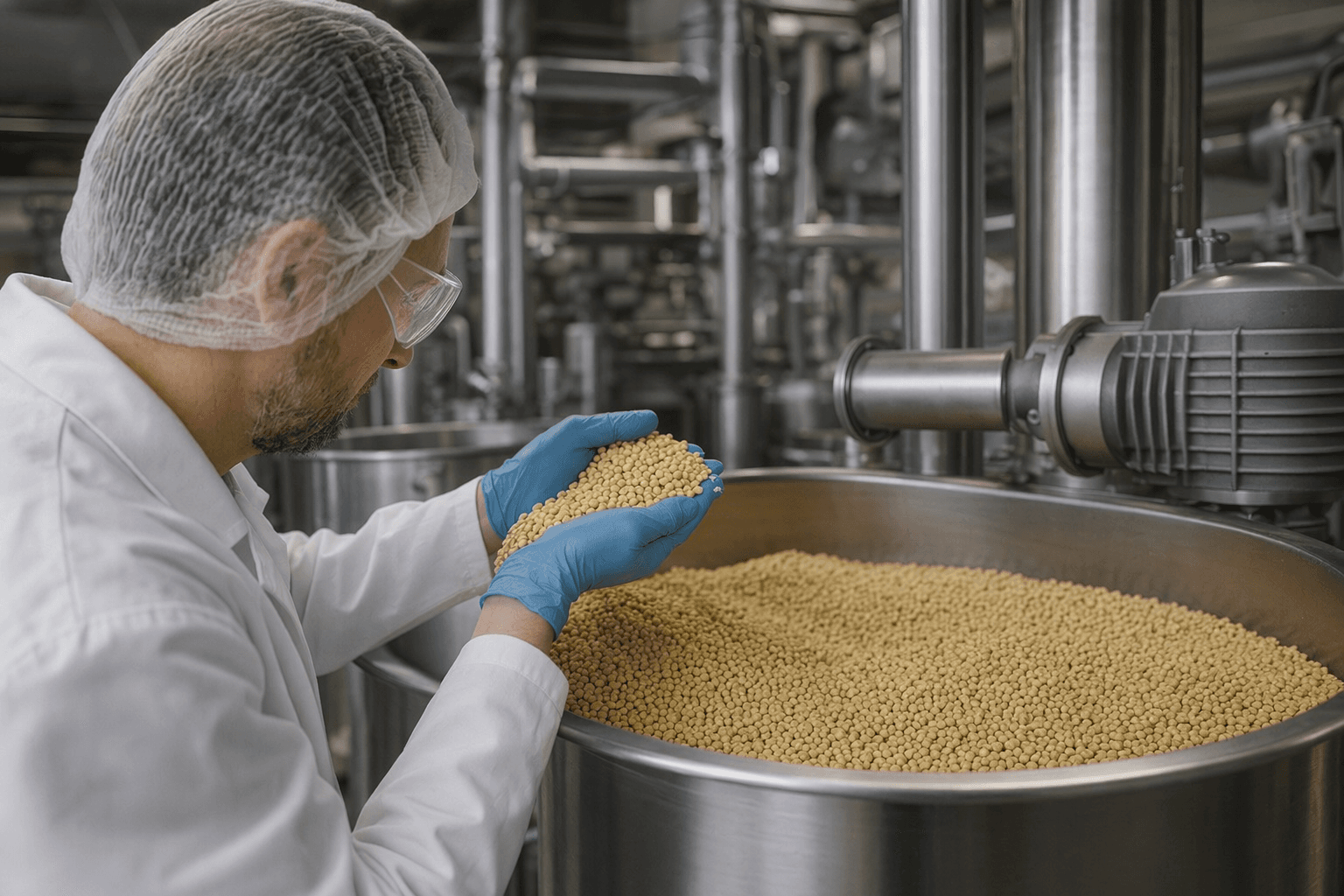
Latvia is moving to the front of Europe’s protein buildout with a crop-based facility designed to turn locally grown beans and oats into industrial protein ingredients at scale. The project, led on the ground by Agrofirma Lobe SIA under a licensing arrangement with Happy Plant Protein, is set to produce about 5,000 tonnes a year and is being framed as Europe’s first plant of its kind.
The plant carries a budget of about €6 million, or roughly $7 million, with partial support from EU funding. Construction is expected to take about a year, with production slated to begin in early 2027. Rather than shipping raw crops out of the region and buying back finished protein inputs, the site is built to keep more of the value chain in Latvia and the wider Baltic area.
Happy Plant Protein, founded in 2024 by Jari Karlsson, Elli and Pekka and spun out from Finland’s VTT Technical Research Centre of Finland, supplies the licensed technology behind the plant. The company says its system turns flour into textured vegetable protein in a single patented step, without chemical extraction, with low water use and no waste streams. It also says the same process can produce functional carbohydrate ingredients, broadening the plant’s possible product mix beyond protein alone.
That matters for supply chains as much as for food innovation. The facility is expected to source crops primarily from Latvia and the broader Baltic region, then sell into the Baltics, the Nordics and wider Europe. For farmers, that creates a new domestic buyer for faba beans and oats. For processors, it offers a lower-capex route into protein manufacturing than conventional isolate plants that can require much larger investments.
The timing also fits a wider European policy gap. The European Commission says the EU still imports about 19 million tonnes of crude protein to cover its deficit across food, feed and industrial demand. In that context, a mid-sized regional plant may be less about symbolism than about building practical capacity where the crops are grown.
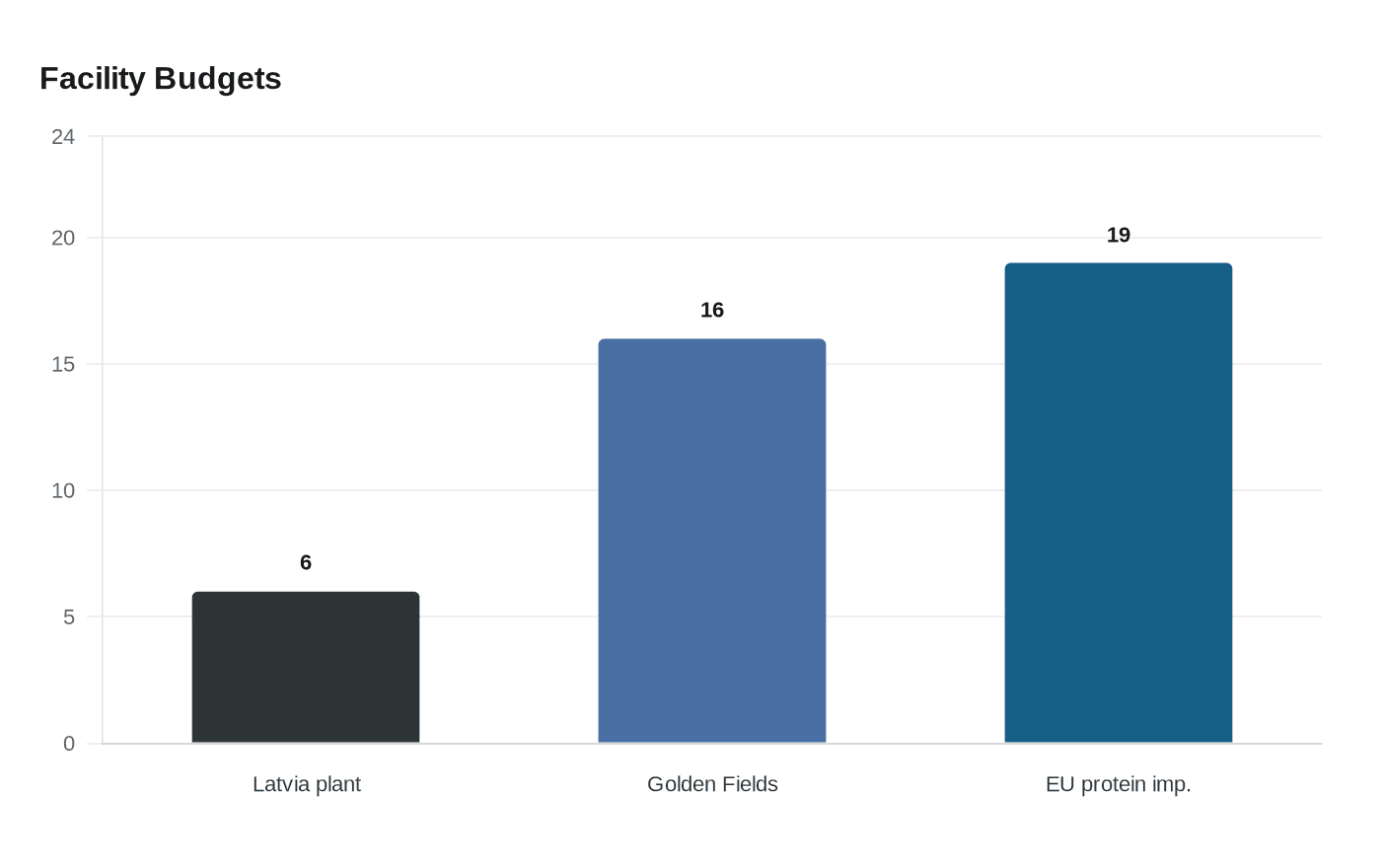
Latvia is also showing signs of becoming a Baltic protein-processing hub rather than a one-off site. Invest in Latvia has already pointed to a pea-protein plant in Jelgava expected to start production at the end of 2026, while Golden Fields opened a €16 million facility in Liepaja making plant-based proteins, pellets, fibers, starches and flours from peas and faba beans.
Happy Plant Protein’s first industrial deployment in Latvia now looks like more than a technology demo. It is a test of whether crop-to-ingredient manufacturing can take hold in Eastern Europe as a real industrial model, not just a promising concept.
This article was produced by Prism’s automated news system from verified source data, official records, and press releases, then run through automated quality and moderation checks before publishing. The system is built and supervised by the people who set the standards it runs under. Read our full AI policy.
Did this article answer your question?