Dried marigold flowers emerge as promising plant-based protein ingredient
Dried marigold petals yielded about 9% protein and more than 92% was recovered, pointing to an upcycled ingredient with real formulation promise.
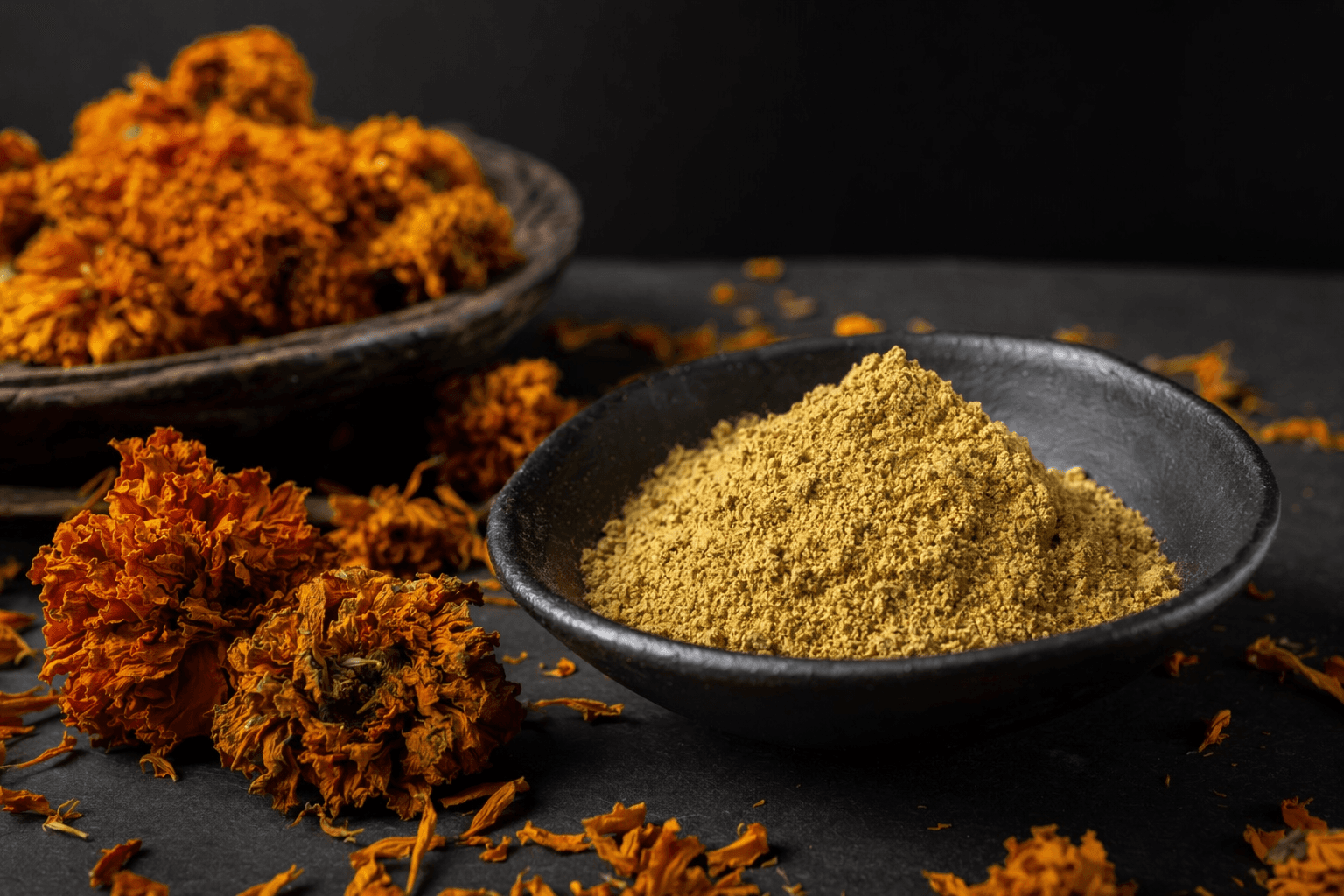
Marigold flowers are better known as ornamental color than as a protein crop, but a University of Georgia food science team has shown that dried pot marigold can be pushed toward something far more practical: an ingredient with usable yield, strong functional behavior and a route into commercial food systems. The work, led by Anand Mohan in Athens, Georgia, found that about 9% of the dried marigold powder was protein and that more than 92% of the available protein could be recovered through extraction.
That recovery number matters as much as the raw protein content. Food makers do not buy protein for the panel alone; they buy behavior. In this case, the extracted proteins showed emulsifying, hydrating and antioxidant properties, with albumin emerging as the dominant protein fraction. Those are the kinds of traits that can help a protein stabilize oil and water, hold moisture, and improve texture instead of fighting a formula. The American Chemical Society said the research suggests marigold protein could work well in nutrient-enriched foods, especially bakery products and emulsion-based foods.
The commercial logic is tied to waste. Mohan said marigold flowers are widely cultivated and that an estimated 40% of production is discarded, especially after ornamental use. That makes Calendula officinalis more than a botanical curiosity. It becomes a test case for turning low-value biomass into a food ingredient stream, the same broad playbook now drawing attention across upcycled proteins and specialty plant inputs. FDA and FEMA listings already recognize pot marigold as a food or flavor ingredient, and calendula’s long history in food and herbal use gives the species a familiar regulatory and cultural foothold.
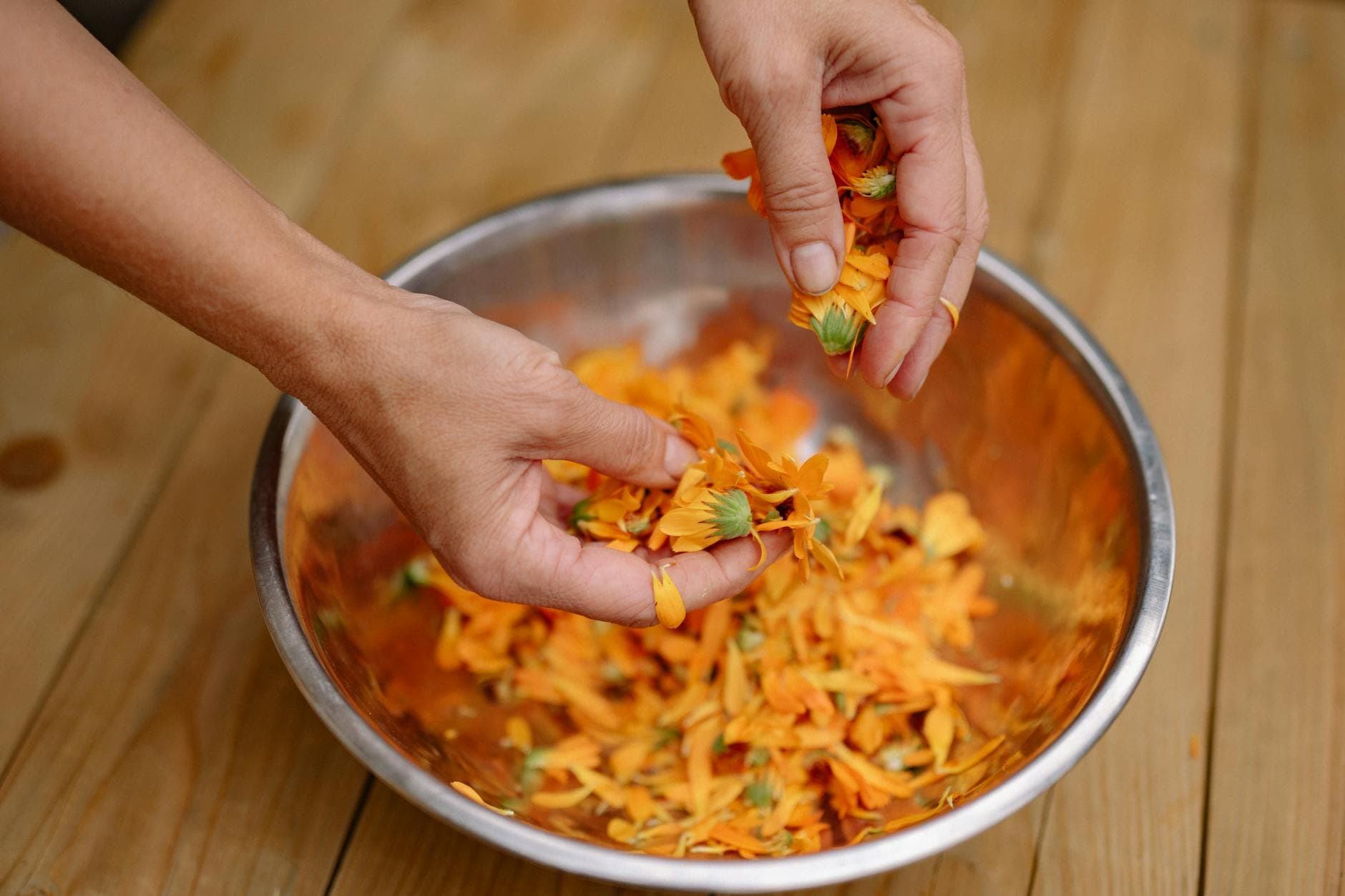
Still, marigold protein is not positioned to unseat soy, pea or canola protein on volume anytime soon. The more realistic near-term case is a premium specialty ingredient for dressings, sauces, spreads and baked goods, where taste, stability and texture often determine whether a cleaner label actually works. The research team plans to keep moving in that direction, with next steps focused on health benefits and consumer testing in baked goods and salad-dressing-style products. If those trials hold up, marigold could move from waste stream to formulation tool, a small but telling shift in where the next plant proteins may come from.
This article was produced by Prism’s automated news system from verified source data, official records, and press releases, then run through automated quality and moderation checks before publishing. The system is built and supervised by the people who set the standards it runs under. Read our full AI policy.
Did this article answer your question?