ADM expands Kentucky hub to meet reformulation demand
ADM is adding 3,600 square feet in Erlanger to speed reformulation work that now centers on protein, sugar reduction and cleaner labels.
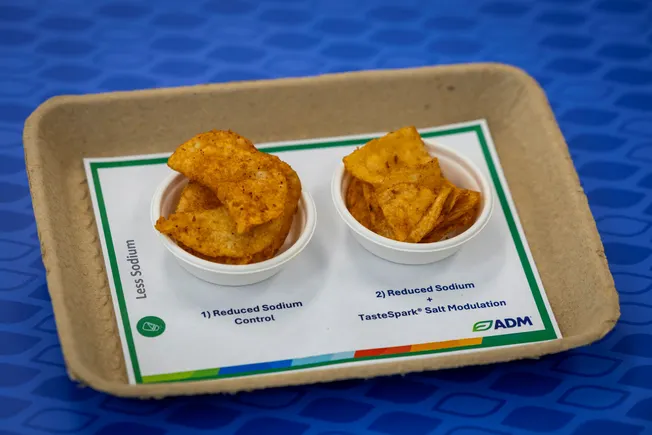
ADM is pouring $26 million into its Erlanger, Kentucky, campus because the real bottleneck in the protein boom is no longer ingredient supply alone. It is reformulation: the hard work of stripping sugar, cutting sodium, adding protein and fiber, and keeping a product tasting and behaving like the original.
The company said the expansion will add 3,600 square feet to the existing facility and lift the site’s capabilities by 40% through raw-material-handling efficiencies. ADM has described Erlanger as its flagship flavors facility in the United States, and the campus has become a central development site for North America, where scientists are trying to make better-for-you products that still deliver on taste, texture and consumer familiarity.
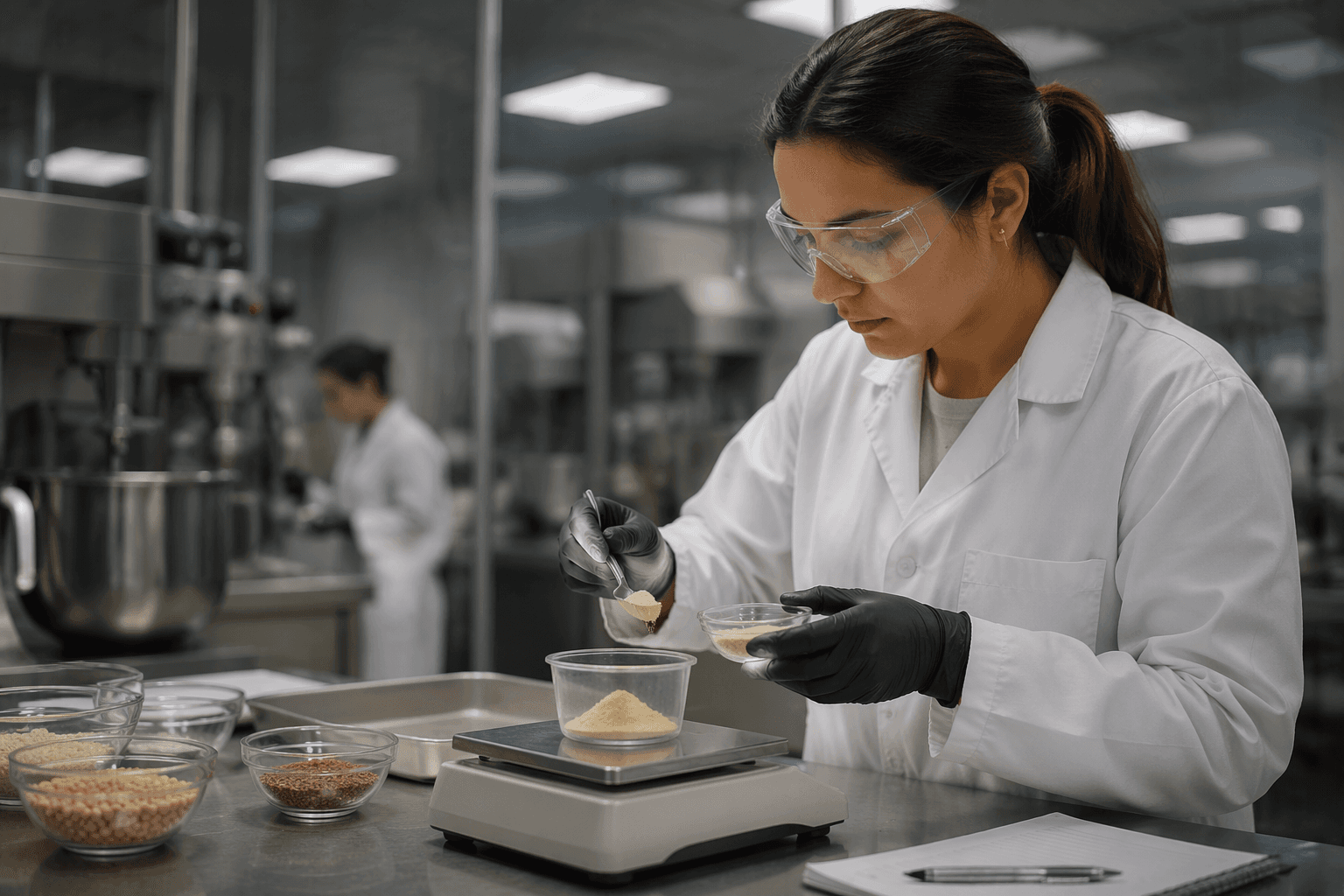
That technical balance is now the whole game. ADM’s reformulation work centers on five pillars: reduced sodium, reduced sugar, more protein, optimized fat and cleaner labels. Brad Schwan, ADM’s vice president of global category marketing, said he had not seen the pace of change this fast in more than 30 years in the industry, and the company is treating reformulation as an imperative. ADM is tying that pressure to shifting consumption habits, regulation, consumer demand and the rise of GLP-1 use, which is pushing some shoppers toward foods with more nutrient density, including protein and fiber.
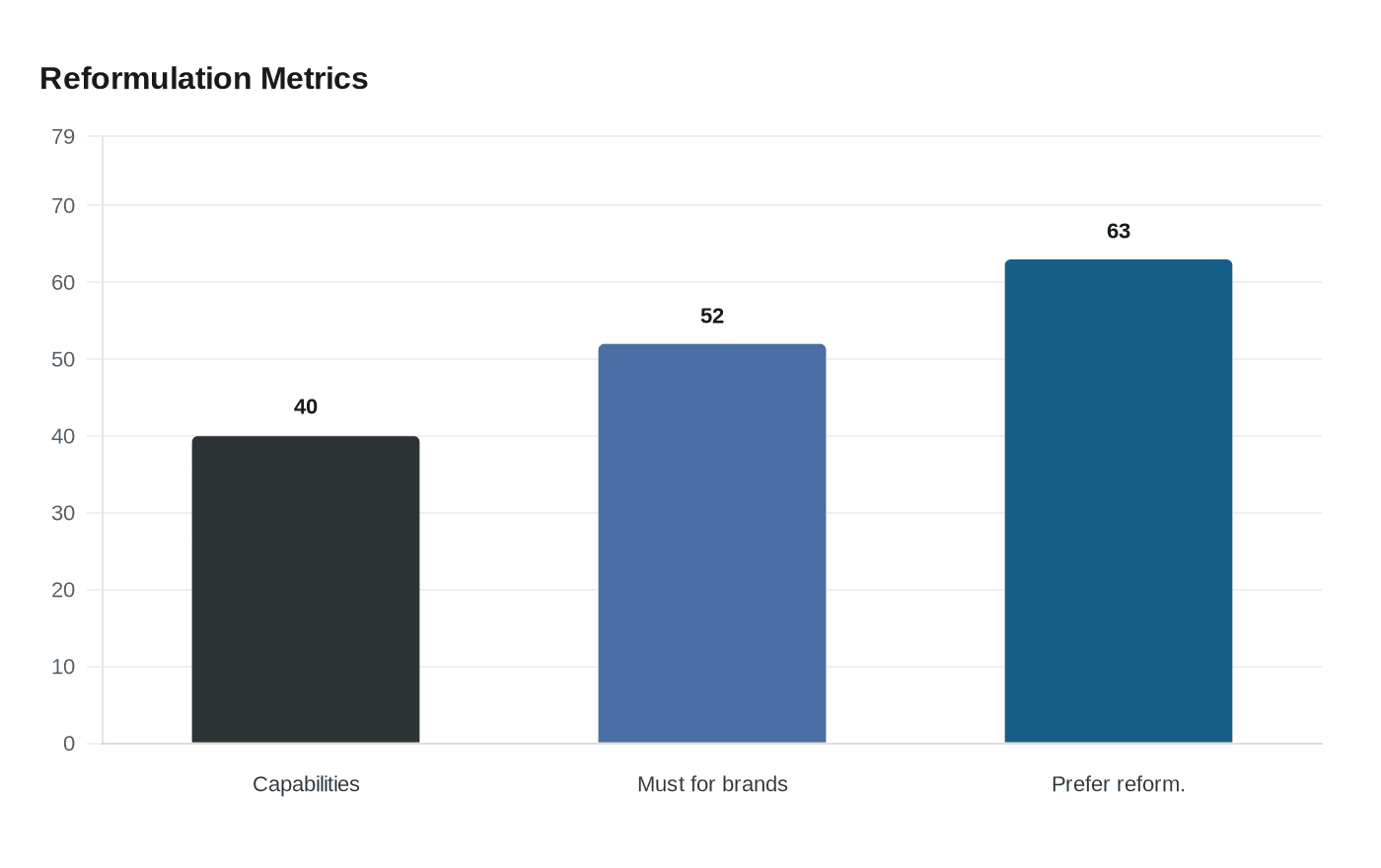
ADM’s own consumer data helps explain the urgency. The company said more than 80% of U.S. consumers favor reformulation, 52% say it is a must for brands, and 63% prefer that brands reformulate existing products to fit better-for-you positioning. ADM also said its GLP-1 support platform, which it unveiled in October 2024, spans food, beverage and dietary supplement applications.
Protein is the clearest example of where this shows up on the shelf. ADM launched eight new soy and pea protein solutions on May 20, 2026, and last year it moved to streamline its soy protein production network. That combination suggests the company is not just chasing demand, but building the processing and application muscle needed to help brands reformulate legacy products without wrecking the eating experience.
Erlanger is also a long-built asset, not a one-off bet. ADM acquired WILD Flavors in 2014, and WILD’s management offices and production sites included Erlanger. Kentucky officials said a 2015 expansion there would create 200 jobs and involved more than $8.3 million in investment. The new spend extends that same campus into a more specialized role: the place where brands come to solve the trade-offs that decide whether a high-protein product reaches supermarket shelves or dies in development.
This article was produced by Prism’s automated news system from verified source data, official records, and press releases, then run through automated quality and moderation checks before publishing. The system is built and supervised by the people who set the standards it runs under. Read our full AI policy.
Did this article answer your question?